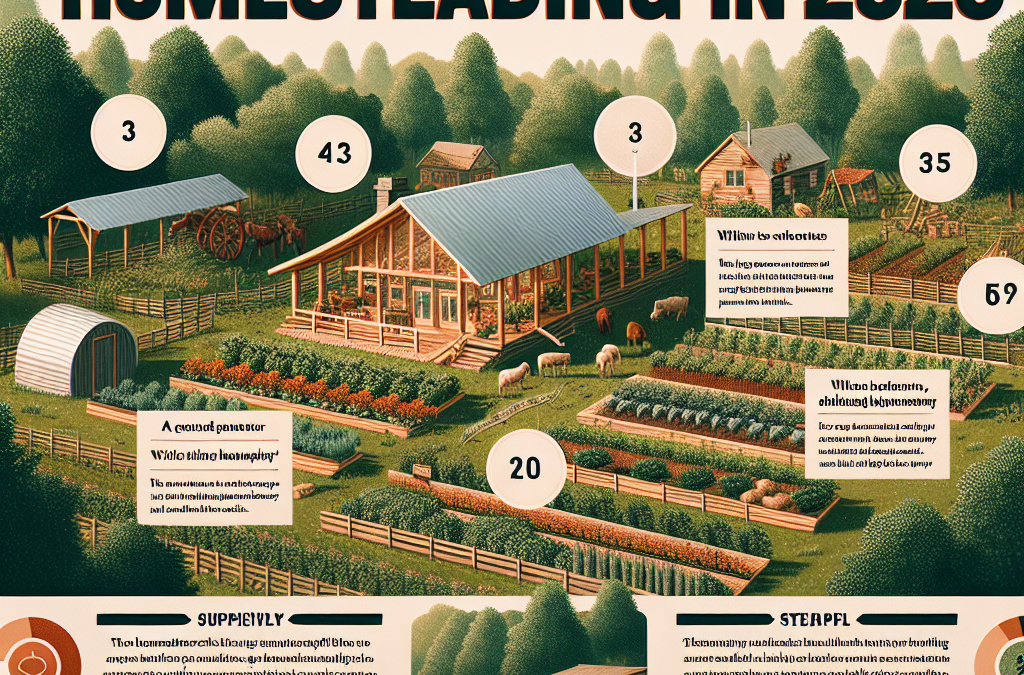
Planning a homestead lifestyle involves a comprehensive approach to managing your land, resources, and aspirations for self-sufficiency. Start by evaluating your land’s potential, including its soil quality, water sources, and sunlight exposure. Creating a detailed plan that encompasses crop selection, livestock management, and sustainable practices will set the foundation for success.
It’s crucial to prioritize your goals based on your environment and resources. Many new homesteaders overlook the importance of understanding local climate conditions, which can significantly affect agricultural choices. Additionally, proper budgeting and resource allocation are vital to avoid pitfalls, such as overextending your capabilities or investing in unsuitable crops.
Assessing Your Land and Resources
A thorough assessment of your land is the first step in planning your homestead lifestyle. Analyze factors such as soil fertility, drainage, and climate. Understanding these elements will help you choose appropriate crops and livestock that thrive in your specific conditions.
Many homesteaders underestimate the significance of soil testing. Conducting a soil test can reveal nutrient deficiencies and pH levels, guiding you in amendments and fertilization strategies. Additionally, consider water accessibility; proximity to a reliable water source is crucial for irrigation and livestock needs.
Setting Clear Goals for Your Homestead
Establishing clear, achievable goals is essential for a successful homestead. Define what self-sufficiency means to you—whether it’s growing your own food, raising animals, or becoming entirely off-grid. These objectives will shape your planning process and resource allocation.
Be realistic about your time and labor capacity. Many new homesteaders fail to consider the time commitment required for maintenance and harvest. Creating a timeline for each goal can help you manage your workload effectively and avoid burnout.
Crop and Livestock Selection
Choosing the right crops and livestock is vital for a successful homestead. Research which plants and animals are best suited for your climate, soil type, and market demands. Diversifying your crops can mitigate risks associated with pests or poor yields.
Additionally, consider the time and resources required for each type of livestock. Some animals may provide multiple benefits, such as meat, milk, and manure, which can be used to enhance soil fertility. Ensure you have adequate space and facilities for each species to thrive.

Implementing Sustainable Practices
Sustainability should be at the heart of your homestead planning. Incorporating practices such as crop rotation, permaculture, and organic farming can enhance soil health and yield. These methods not only benefit the environment but also reduce long-term costs.
Consider implementing rainwater harvesting systems or composting to minimize waste and maximize resources. Engaging in community-supported agriculture (CSA) can also provide valuable insights and support from fellow homesteaders.
Frequently Asked Questions
What is the first step in planning a homestead lifestyle?
The first step is assessing your land and resources to understand its potential for farming and livestock management.
How can I set achievable goals for my homestead?
Define clear objectives based on your resources, time availability, and desired level of self-sufficiency.
What crops are best for beginners in homesteading?
Beginner-friendly crops include tomatoes, peppers, and leafy greens, as they are relatively easy to grow and maintain.
How important is sustainable practice in homesteading?
Sustainable practices are crucial as they enhance soil health, reduce costs, and promote environmental stewardship.
Can I homestead on a small plot of land?
Yes, many successful homesteaders maximize small spaces by utilizing vertical gardening and permaculture techniques.
Conclusion
Ultimately, planning a homestead lifestyle requires careful consideration of land assessment, goal setting, crop selection, and sustainable practices. Focus on understanding your unique environment and resources to make informed decisions. Prioritize self-sufficiency while remaining adaptable to challenges. By taking these steps, you can create a thriving homestead that meets your needs and contributes positively to the environment.