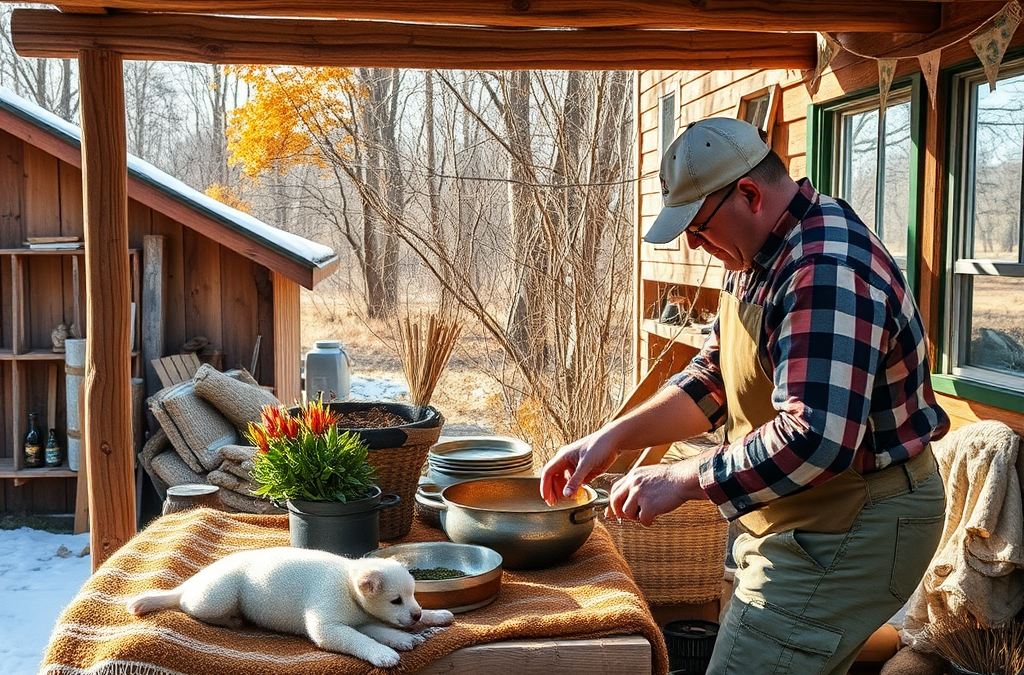
To navigate seasonal changes on the homestead, prioritize planning and preparation by adjusting planting schedules, managing livestock needs, and preparing your infrastructure for weather changes. Recognizing the specific requirements of each season—like crop rotation in spring or winterizing water systems—ensures a productive and sustainable homestead. Anticipating challenges such as pest control or frost can also mitigate risks associated with seasonal transitions.
Understanding Seasonal Changes
Seasonal changes significantly impact the homestead, influencing everything from crop growth to livestock management. Understanding these changes is crucial for adapting your practices to ensure sustainability and productivity. Each season presents unique opportunities and challenges; for example, spring is ideal for planting, while winter requires preparations for colder weather.
Recognizing the specific characteristics of each season allows you to devise strategies that align with the natural cycles of your environment. A common mistake is underestimating the timing of seasonal transitions, which can lead to lost crops or unprepared livestock.
To effectively manage seasonal changes, monitor local weather patterns and use historical data to inform your decisions. This proactive approach will help you anticipate challenges and optimize your homesteading practices.
Adapting Planting Schedules
One of the most critical aspects of navigating seasonal changes on the homestead is adapting your planting schedules. Each crop has specific growing requirements and optimal planting times, which vary depending on the season. For example, cool-season crops like peas and lettuce thrive in early spring, while warm-season crops such as tomatoes and peppers should be planted after the last frost.
To optimize your planting schedule, consider creating a calendar that outlines when to start seeds indoors, transplant seedlings, and sow directly into the ground. This helps ensure that your crops receive the right amount of sunlight and warmth, ultimately leading to a more productive harvest.
It’s important to stay flexible, as unexpected weather changes can impact your planting dates. For instance, a late frost can delay outdoor planting, so having a backup plan, such as row covers to protect young plants, is essential. Additionally, crop rotation is a key practice that can help prevent soil depletion and manage pests effectively.
Managing Livestock Needs
Livestock management is another vital consideration when navigating seasonal changes on the homestead. Each season poses different challenges for animal care, from providing adequate shelter in winter to ensuring proper hydration in summer. Understanding the specific needs of your animals during each season will help you maintain their health and productivity.
For example, in colder months, ensure that your livestock have access to insulated shelters and adequate bedding to keep warm. Conversely, during hot summer days, provide shaded areas and plenty of water to prevent heat stress. Regular health checks are crucial, as seasonal transitions can also increase the risk of illness due to stress or environmental changes.
Additionally, consider adjusting feeding schedules and types of feed based on seasonal availability and nutritional needs. For instance, during winter, animals may require more energy-dense feed to maintain body heat. Keeping detailed records of your livestock’s health and productivity can help you make informed decisions about their care throughout the year.
Preparing Infrastructure for Seasonal Changes
Your homestead’s infrastructure plays a critical role in successfully navigating seasonal changes. From water systems to crop protection measures, being prepared can prevent costly damages and maintain productivity. For instance, ensure that irrigation systems are functioning correctly before the growing season starts and are winterized before the cold months.
Building windbreaks or installing fencing can protect crops and livestock from harsh weather conditions. Additionally, consider investing in tools and equipment that can ease seasonal transitions, such as greenhouses for extending the growing season or cold frames for early seedlings.

Regular maintenance of your infrastructure is essential. Inspect buildings, fences, and equipment to identify any repairs needed before seasonal changes occur. Being proactive in this regard can save you time and resources, allowing you to focus on other important tasks during peak seasons.
Frequently Asked Questions
What should I do to prepare my garden for spring?
To prepare your garden for spring, clear debris, test soil health, amend with compost, and plan your planting schedule based on frost dates.
How can I protect my plants from late frost?
Use row covers, cloches, or blankets to insulate plants and retain heat during unexpected late frosts.
What livestock care changes are needed in winter?
Provide insulated shelters, increase bedding, and ensure access to water that won’t freeze, along with monitoring their food intake for energy.
How do seasonal changes affect pest management?
Seasonal changes can affect pest populations; for instance, warmer springs can lead to early pest emergence, necessitating timely preventive measures.
What are the signs that my livestock is stressed during seasonal changes?
Signs of livestock stress include changes in behavior, reduced feed intake, increased vocalization, and visible signs of discomfort or illness.
Conclusion
Navigating seasonal changes on the homestead requires proactive planning and adaptability. By understanding seasonal dynamics, adjusting planting schedules, managing livestock needs, and preparing infrastructure, you can enhance productivity and sustainability. Focus on regular monitoring and be ready to adjust your practices as conditions change. These strategies will help you maintain a thriving homestead year-round.

Additional Resources
Authoritative Sources
- Details - U.S. Climate Resilience Toolkit
toolkit.climate.govEncourage farmers to update production practices to adapt to seasonal changes. For example, farmers can change crop varieties and breeds, change the timing ...