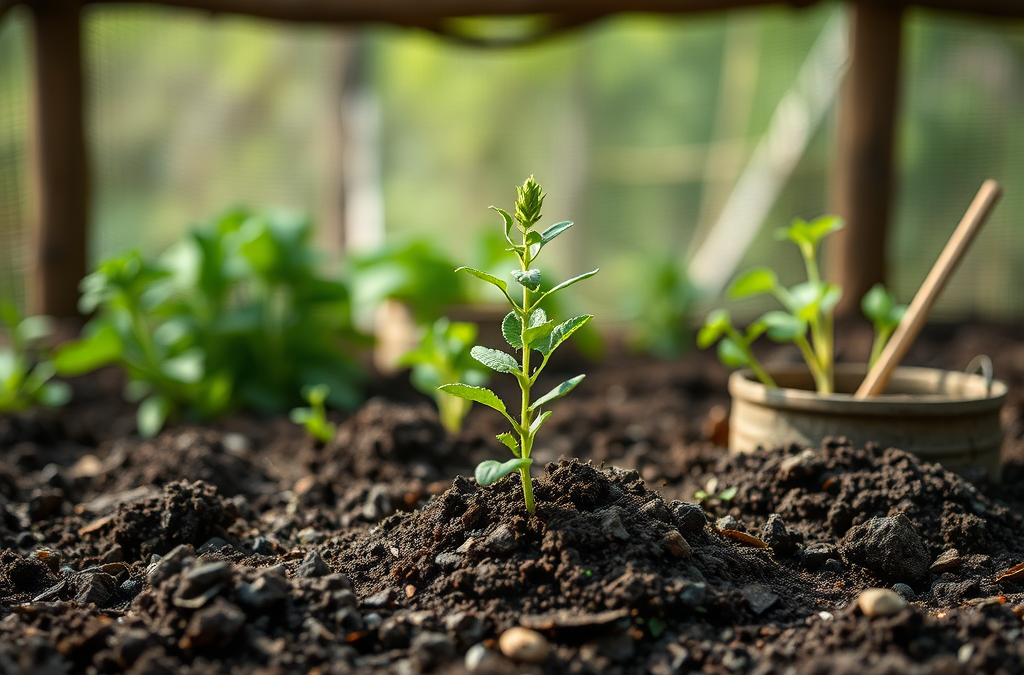
To ensure sustainability in your homestead practices, focus on integrating regenerative agriculture methods, utilizing renewable resources, and promoting biodiversity. Start by implementing crop rotation and companion planting to enhance soil health, reduce pest problems, and increase yields. Incorporate rainwater harvesting and solar energy solutions to minimize reliance on external resources. Lastly, prioritize native plant species to support local wildlife and create a balanced ecosystem.
Understanding Sustainability in Homesteading
Sustainability in homesteading refers to the ability to maintain practices that do not deplete resources or harm the environment. It emphasizes creating a self-sufficient system that can thrive over time without external inputs. This approach is essential as it not only conserves resources but also enhances the resilience of your homestead against environmental changes and economic fluctuations.
To successfully implement sustainable practices, it’s crucial to recognize the interconnectedness of various elements within your homestead, including soil health, water management, and plant diversity. A holistic view helps in making informed decisions that promote long-term viability. For instance, healthy soils lead to better crop yields, which in turn supports livestock and reduces dependency on commercial fertilizers.
Practical Techniques for Sustainable Practices
One of the most effective ways to ensure sustainability in your homestead practices is to adopt techniques that enhance soil fertility and reduce chemical inputs. Techniques like crop rotation, cover cropping, and composting can significantly improve soil health.
Crop Rotation: By rotating crops, you can prevent soil nutrient depletion and reduce pest infestations. For example, following nitrogen-fixing legumes with heavy feeders like corn can maintain soil fertility without synthetic fertilizers.
Cover Cropping: Planting cover crops such as clover or rye during off-seasons protects the soil from erosion, suppresses weeds, and adds organic matter when tilled under. This practice also enhances the soil structure, making it more resilient to drought and heavy rainfall.
Composting: Recycling kitchen scraps and yard waste into compost provides a nutrient-rich amendment for your garden. This not only reduces waste but also improves soil fertility and structure.
Integrating Renewable Resources
Utilizing renewable resources is a cornerstone of sustainable homesteading. This includes harnessing solar, wind, and water resources to reduce your reliance on fossil fuels and non-renewable inputs.
Solar Energy: Installing solar panels can provide a significant portion of your energy needs, powering everything from lights to water pumps. This reduces electricity costs and carbon footprint.
Rainwater Harvesting: Implementing a rainwater collection system can alleviate pressure on local water resources, particularly in drought-prone areas. This water can be used for irrigation, livestock, and even household needs, depending on the filtration and storage systems in place.
Wind Power: If your homestead is in a windy area, consider installing a small wind turbine. This can supplement your energy needs and further reduce reliance on the grid.
Promoting Biodiversity and Ecological Balance
Biodiversity is crucial for maintaining a healthy ecosystem on your homestead. Diverse plant and animal species contribute to resilience, pest control, and pollination.
Start by incorporating native plants into your landscaping. These plants are adapted to local conditions and require less water and maintenance. Additionally, they provide habitat for beneficial insects and wildlife.

Practices such as companion planting can also enhance biodiversity. For example, planting marigolds alongside vegetables can deter pests and encourage pollinators.
Lastly, consider integrating livestock into your homestead. Animals can contribute to nutrient cycling, provide manure for compost, and help manage weeds.
Frequently Asked Questions
What are the key components of sustainable homesteading?
The key components include soil health management, water conservation, resource efficiency, and promoting biodiversity within your ecosystem.
How can I improve soil fertility sustainably?
Implement practices such as crop rotation, cover cropping, and composting to enhance soil fertility naturally.
What role does biodiversity play in sustainability?
Biodiversity supports ecosystem resilience, pest control, and pollination, contributing to a more stable and productive homestead.
How can I incorporate renewable energy into my homestead?
Consider installing solar panels, wind turbines, or rainwater harvesting systems to reduce reliance on non-renewable energy sources.
What are common mistakes in sustainable homesteading?
Common mistakes include over-reliance on monoculture, neglecting soil health, and underestimating the importance of biodiversity.
Conclusion
Implementing sustainable practices on your homestead is a journey that requires ongoing commitment and adaptation. Start by focusing on soil health, integrating renewable resources, and promoting biodiversity to create a resilient and self-sufficient system. Prioritize practical techniques that align with your local environment and resources. As you cultivate these practices, you will not only enhance the productivity of your homestead but also contribute positively to the planet.