
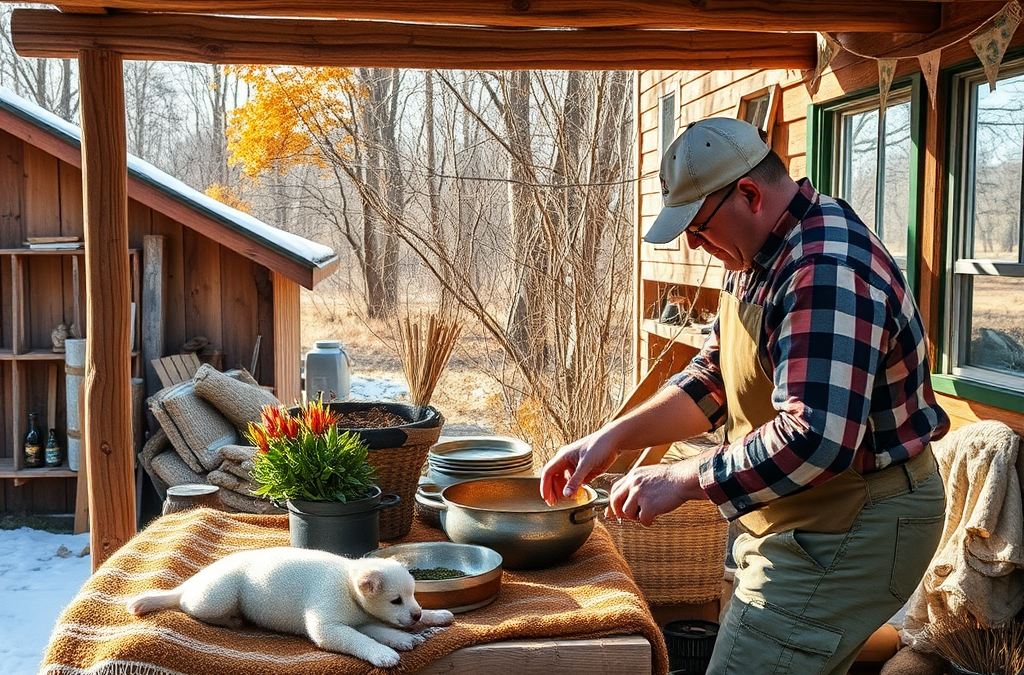
Designing a homestead that promotes family bonding involves creating shared spaces and activities that encourage collaboration and connection. Incorporating communal gardens, outdoor kitchens, and gathering areas fosters teamwork and strengthens family ties. Engaging in tasks like planting, cooking, and crafting together not only builds skills but also enhances communication and shared memories, making the homestead a nurturing environment for relationships.
Creating Shared Spaces for Connection
Shared spaces are essential in designing a homestead that promotes family bonding. These areas should be intentionally created to encourage interaction and collaboration among family members. Consider incorporating a communal garden, where family members can work together to plant, tend, and harvest vegetables and flowers. This not only provides food but also teaches responsibility and teamwork.
Another valuable space to consider is an outdoor kitchen or dining area. Cooking and eating together fosters communication and creates lasting memories. Incorporating comfortable seating and a fire pit can make this area a go-to spot for family gatherings. Such spaces allow for shared experiences, making it easier for family members to bond over meals and stories.
Additionally, creating a designated craft or workshop area can encourage creativity and collaboration on projects. This space can be used for woodworking, sewing, or other hands-on activities that require teamwork, enhancing relationships through shared goals and accomplishments.
Activities That Foster Collaboration
Engaging in activities together is vital for family bonding on a homestead. Organizing regular family workdays can help everyone contribute to the upkeep of the homestead while spending quality time together. For instance, tasks such as building structures, planting trees, or caring for animals can be turned into fun family events. Making these activities enjoyable and rewarding can strengthen family ties.
Another approach is to plan seasonal festivities that involve the entire family. For example, a harvest festival can celebrate the fruits of their labor while providing a platform for family members to showcase their contributions, whether it be through cooking, crafting, or decorating. This not only strengthens bonds but also creates a sense of pride and accomplishment.
Incorporating educational activities can also be beneficial. Teaching younger family members about gardening, animal care, or sustainability practices can create mentorship opportunities, deepening relationships and fostering a sense of responsibility.
Incorporating Nature into Family Time
Nature plays a crucial role in family bonding. Designing a homestead that integrates natural elements encourages outdoor activities and exploration. Create paths for walking, biking, or hiking that the family can enjoy together. These paths can lead to scenic spots where families can picnic or simply appreciate the beauty of their surroundings.
Furthermore, incorporating natural play areas for children, such as treehouses or sandbox areas, promotes imaginative play while allowing parents to participate. Such environments encourage children to explore and learn about nature, fostering a deeper connection to the land.
Engaging in nature-based activities like birdwatching, stargazing, or seasonal nature crafts can also enhance family bonding. These activities provide opportunities for family discussions and shared experiences, reinforcing relationships and creating cherished memories.
Common Mistakes to Avoid
While designing a homestead that promotes family bonding, it’s essential to avoid common pitfalls that can hinder connection. One significant mistake is over-scheduling activities, which can lead to stress and burnout. It’s crucial to find a balance between work and leisure, allowing time for relaxation and spontaneous family interactions.
Another mistake is neglecting individual interests. While shared activities are vital, it’s equally important to encourage family members to pursue their passions. This can lead to a richer family dynamic, as each member brings unique experiences and stories to the table.

Additionally, failing to communicate openly can create misunderstandings and weaken family ties. Regular family meetings to discuss goals, challenges, and successes can foster a supportive environment where everyone feels heard and valued.
For more insights on fostering family bonds through homesteading, consider exploring resources from local agricultural extensions or community gardening programs. These organizations often provide workshops and materials that can enhance your family’s connection to the land and each other.
Frequently Asked Questions
What are the best activities for family bonding on a homestead?
Engaging in gardening, cooking together, and participating in seasonal festivities are excellent activities that promote family bonding on a homestead.
How can shared spaces improve family relationships?
Shared spaces like communal gardens and outdoor kitchens encourage collaboration, communication, and quality time, which strengthen family relationships.
What common mistakes should I avoid when designing a homestead?
Over-scheduling activities, neglecting individual interests, and failing to communicate openly are common mistakes that can hinder family bonding.
How can nature contribute to family bonding?
Nature encourages outdoor activities and exploration, allowing families to connect through experiences like hiking, picnicking, and nature crafts.
What role do seasonal festivities play in family bonding?
Seasonal festivities create opportunities for families to celebrate their achievements and foster a sense of pride, enhancing connections through shared experiences.

