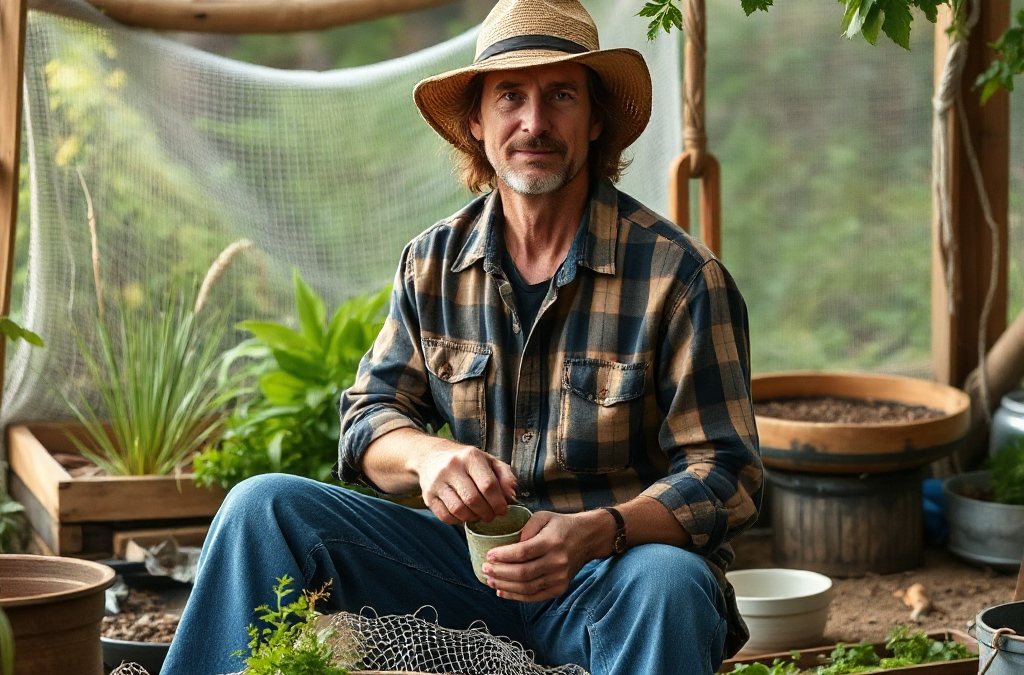
Integrating permaculture principles into your homestead involves designing a sustainable ecosystem that mimics natural processes. Start by observing and analyzing your land to identify its unique features, then implement strategies such as companion planting, water management through swales, and creating diverse habitats for beneficial insects. Prioritize soil health and biodiversity to enhance crop yields and resilience against pests, while also considering the long-term impacts of your practices on the environment.
Understanding Permaculture Principles
Permaculture is a design philosophy that seeks to create sustainable and self-sufficient agricultural systems by mimicking the patterns and relationships found in nature. Core principles include observing natural ecosystems, maximizing diversity, and promoting resilience. These principles are essential for developing a homestead that not only produces food but also enhances the local environment.
One fundamental concept is the idea of permaculture zones, which categorize different areas of your homestead based on their usage and proximity to your living space. For example, a zone 1 area might include a small herb garden or chicken coop close to your home for easy access, while zone 5 could be a wild area left untouched to support local wildlife. Understanding these zones helps in planning your layout effectively.
Practical Applications for Your Homestead
Integrating permaculture principles into your homestead can be achieved through various practical applications. Start by designing a water management system that captures and utilizes rainwater effectively. This could involve creating swales—shallow trenches that follow the contour of the land—to slow down and allow water to infiltrate the soil, reducing erosion and improving moisture retention.
Next, consider implementing companion planting, where different crops are grown together to enhance growth and deter pests. For instance, planting marigolds alongside vegetables can help repel harmful insects while attracting beneficial ones. Additionally, incorporating perennial plants, which return year after year without replanting, can significantly reduce labor and improve soil health.
In summary, creating habitat diversity in your homestead, such as hedgerows or pollinator gardens, can attract beneficial insects and improve overall biodiversity. These practices not only support your crops but also contribute to a healthier ecosystem.
Common Mistakes to Avoid
While integrating permaculture principles can lead to a fruitful homestead, several common mistakes can hinder success. One frequent issue is failing to observe and analyze the land before making changes. Understanding the unique characteristics of your soil, climate, and existing flora and fauna is critical for effective design.
Another mistake is overcomplicating systems. It’s easy to get excited about implementing numerous techniques at once, but starting small and gradually expanding your efforts is often more effective. Simplifying your approach allows you to focus on what works best for your specific environment and adjust as necessary.

Additionally, neglecting to maintain soil health can lead to diminished yields over time. Regularly adding organic matter, such as compost or mulch, and rotating crops can help preserve soil structure and fertility.
Evaluating Your Progress
Regular evaluation of your homestead’s performance is vital for long-term success. Set specific goals, such as improving crop yields or increasing biodiversity, and monitor your progress against these metrics. Keeping a journal can help track changes and outcomes, allowing for reflection on what strategies are working and which may need adjustment.
Engaging with local permaculture communities can also provide insights and support. Participating in workshops or online forums can offer new ideas and help troubleshoot challenges you may face.
Ultimately, integrating permaculture principles into your homestead is a continuous journey of learning and adaptation. By remaining flexible and open to change, you can create an environment that thrives and sustains both you and the ecosystem.