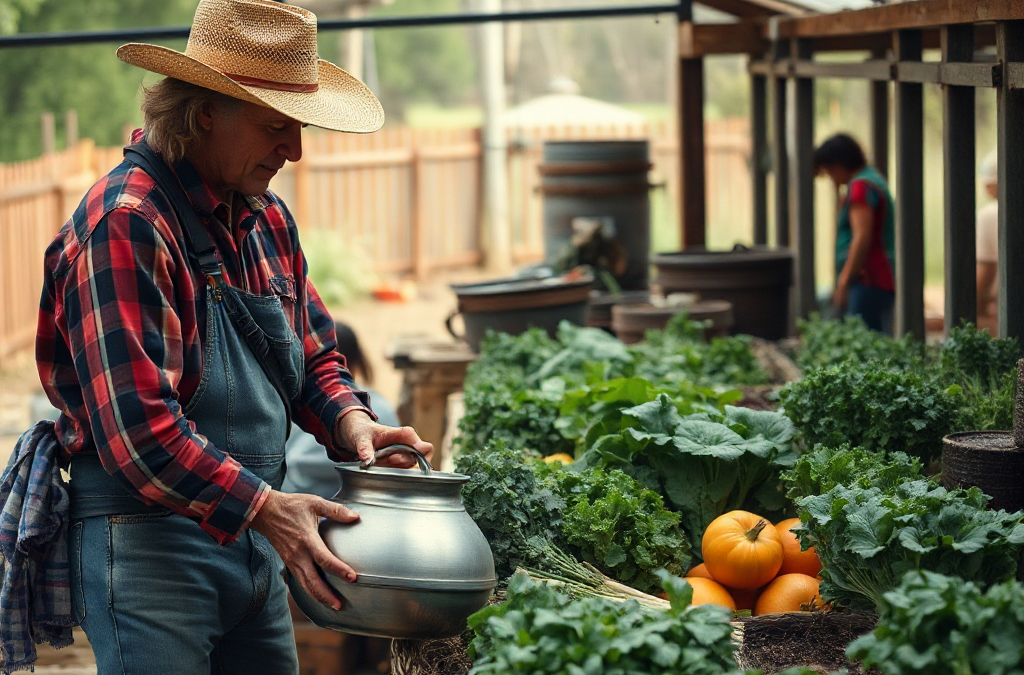
Creating a sustainable food system on your homestead involves implementing practices like crop rotation, composting, and permaculture design. These methods enhance soil health, reduce waste, and improve biodiversity. Start by assessing your land’s resources, planning a diverse crop layout, and integrating livestock for natural fertilization. Avoid common pitfalls such as monocropping, which can deplete soil nutrients and increase pest problems.
Understanding Sustainable Food Systems
A sustainable food system on your homestead is one that meets your current food needs without compromising future generations’ ability to meet theirs. It emphasizes local food production, ecological balance, and resource conservation. Understanding the principles of sustainability is crucial for making informed decisions that positively impact your land and community.
The key components of a sustainable food system include biodiversity, energy efficiency, and waste reduction. By focusing on these elements, you can create a productive environment that supports both your family and local ecosystems. It’s essential to recognize that every homestead is unique; therefore, tailor your approach based on specific land characteristics, climate, and available resources.
Key Practices for Sustainability
Implementing sustainable practices is vital for creating a resilient food system. Here are some essential methods to consider:
- Crop Rotation: Rotating crops helps prevent soil depletion and reduces pest and disease cycles. By alternating plant families, you can maintain soil fertility and promote a healthy ecosystem.
- Composting: Composting organic waste enriches the soil with nutrients and improves its structure. It’s an excellent way to recycle kitchen scraps, garden debris, and other organic materials.
- Permaculture Design: This method focuses on creating a self-sustaining ecosystem by mimicking natural processes. Integrating plants and animals in a harmonious way enhances biodiversity and maximizes resource use.
- Water Conservation: Implementing rainwater harvesting and efficient irrigation systems can significantly reduce water waste. Consider using drip irrigation or soaker hoses to target water directly to plant roots.
Each of these practices contributes to a more sustainable and productive food system, ensuring that your homestead can thrive for years to come.
Designing Your Homestead Layout
Effective design is crucial for maximizing productivity and sustainability on your homestead. Start by assessing the layout of your land, considering factors such as sunlight, wind direction, and water flow. A well-planned homestead layout can enhance crop yields and reduce labor.
Consider using zoning principles, where different areas of your homestead serve specific purposes. For example:
- Zone 1: Close to your home, this area can include kitchen gardens and herbs for easy access.
- Zone 2: This zone can house perennial crops, small fruit trees, and larger vegetable plots.
- Zone 3: This area can be dedicated to grains or larger livestock, further from the house.
By strategically designing your homestead, you can create a more efficient and sustainable system that meets your needs while respecting the environment.
Integrating Livestock for Soil Health
Livestock can play a pivotal role in maintaining soil health and enhancing your homestead’s sustainability. Integrating animals into your system provides natural fertilizer, pest control, and even weed management. However, it’s essential to choose the right types of animals based on your available space and resources.
For example:
- Chickens: They can help control pests and provide manure that enriches the soil.
- Goats: Known for their ability to clear weeds and brush, they also produce manure that can be composted.
- Rabbits: They can be raised in smaller spaces and their droppings are excellent fertilizer.
When integrating livestock, ensure that their needs are met in terms of shelter, food, and care. Properly managed livestock can significantly enhance the productivity and sustainability of your homestead.

Frequently Asked Questions
What is the first step in creating a sustainable food system?
The first step is assessing your land’s resources and understanding its unique characteristics to tailor your sustainable practices effectively.
How can composting benefit my homestead?
Composting enriches soil, reduces waste, and enhances soil structure, leading to healthier plants and better yields.
Why is crop rotation important?
Crop rotation prevents soil depletion, reduces pest and disease cycles, and maintains soil fertility by alternating different plant families.
What types of livestock are best for small homesteads?
Chickens, rabbits, and goats are excellent choices for small homesteads as they require less space and provide significant benefits.
How can I conserve water on my homestead?
Implement rainwater harvesting systems and use efficient irrigation methods like drip irrigation to reduce water waste.
Conclusion
Creating a sustainable food system on your homestead is a rewarding endeavor that enhances self-sufficiency and environmental stewardship. Focus on integrating sustainable practices like crop rotation, composting, and permaculture design while being mindful of your land’s unique characteristics. Consider the role of livestock in improving soil health and productivity. By prioritizing these elements, you can cultivate a resilient homestead that thrives today and for future generations.

Additional Resources
Authoritative Sources
- USDA NIFA Sustainable Agriculture
nifa.usda.govFederal research and extension resources on sustainable agriculture, farms, and food systems.