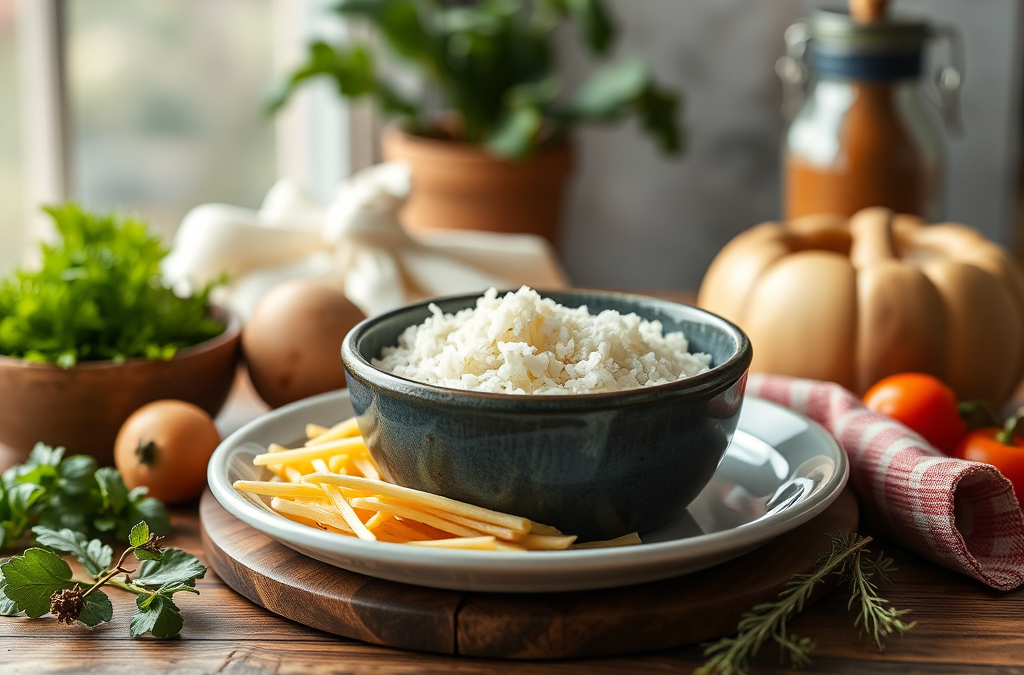
Creating a seasonal menu from your homestead involves planning meals around the crops and produce available at different times of the year. Start by identifying seasonal fruits and vegetables that thrive in your climate, then design meals that highlight these ingredients. Keep track of your harvests and adjust your menu accordingly to maximize freshness and flavor. This approach not only enhances meal quality but also promotes sustainability and reduces food waste by utilizing what is in season.
Understanding Seasonal Ingredients
To successfully create a seasonal menu from your homestead, which ingredients are available during different times of the year. Seasonal ingredients are those that are harvested at their peak, offering the best flavor, nutritional value, and cost-effectiveness. For instance, in spring, you might find asparagus, peas, and strawberries, while summer could bring tomatoes, zucchini, and berries.
Knowing your growing zone and climate is crucial. Each region has a unique growing season that dictates what can be planted and harvested when. Utilize local agricultural extension services or online resources to determine the best planting and harvesting times for your area. Additionally, consider planting a variety of crops that mature at different times, allowing for a continuous supply of fresh ingredients.
Planning Your Seasonal Menu
Once you have a grasp on the seasonal ingredients available, the next step is to plan your menu. Start by creating a list of meals that incorporate these ingredients. Make it a habit to check what you have harvested and plan meals around those items. For example, if you have an abundance of tomatoes, consider making sauces, salads, or canning them for future use.
A practical approach is to categorize your meals by seasons, ensuring that you utilize ingredients at their peak freshness. This could mean enjoying hearty root vegetables in the fall and lighter salads in the summer. Additionally, try to incorporate a mix of cooking methods—grilling, roasting, and steaming—to keep your meals interesting and diverse.
Cooking Techniques for Seasonal Produce
Cooking techniques play a vital role in how seasonal produce is prepared and enjoyed. Fresh ingredients often require less cooking time to preserve their flavor and nutritional content. Techniques such as sautéing, steaming, and grilling are excellent for retaining the vibrant qualities of seasonal vegetables.
For example, fresh asparagus can be lightly steamed and tossed with olive oil for a quick side dish, while ripe summer tomatoes can be used in a fresh salsa or salad. Experimenting with different herbs and spices can also enhance the natural flavors of seasonal produce. Consider trying out new recipes that highlight these ingredients, and don’t be afraid to get creative with your cooking.
Benefits of a Seasonal Menu
Creating a seasonal menu offers numerous benefits beyond just having fresh ingredients. One of the most significant advantages is the reduction of your carbon footprint. By using ingredients that are grown locally and in season, you minimize the environmental impact associated with transporting food long distances.
Moreover, seasonal eating can lead to better health outcomes. Fresh, seasonal produce is often more nutrient-dense compared to out-of-season items that may have been stored for long periods. Additionally, a seasonal menu can provide financial savings, as local produce is typically less expensive during its peak season. This approach fosters a deeper connection with your food and the environment, promoting sustainable living.
Frequently Asked Questions
What is a seasonal menu?
A seasonal menu is a meal plan that focuses on using ingredients that are at their peak freshness during specific times of the year.
How do I find out what is in season?
Check local agricultural extension services or online seasonal produce guides to learn what fruits and vegetables are in season in your area.
Can I grow my own seasonal ingredients?
Yes, you can grow your own seasonal ingredients by planting crops that thrive in your climate and harvesting them at their peak.
Why is eating seasonal food important?
Eating seasonal food is important because it is often fresher, more nutritious, and environmentally sustainable compared to out-of-season produce.
What are some cooking techniques for seasonal produce?
Some effective cooking techniques for seasonal produce include grilling, steaming, roasting, and sautéing to enhance flavor and preserve nutrients.
Conclusion
Creating a seasonal menu from your homestead not only enhances the freshness and flavor of your meals but also supports sustainable living practices. By understanding the seasonal availability of ingredients, planning your meals accordingly, and utilizing effective cooking techniques, you can enjoy a diverse array of dishes throughout the year. Prioritize local, seasonal produce to reap the benefits of enhanced nutrition and reduced environmental impact, leading to a more fulfilling and responsible approach to eating.