
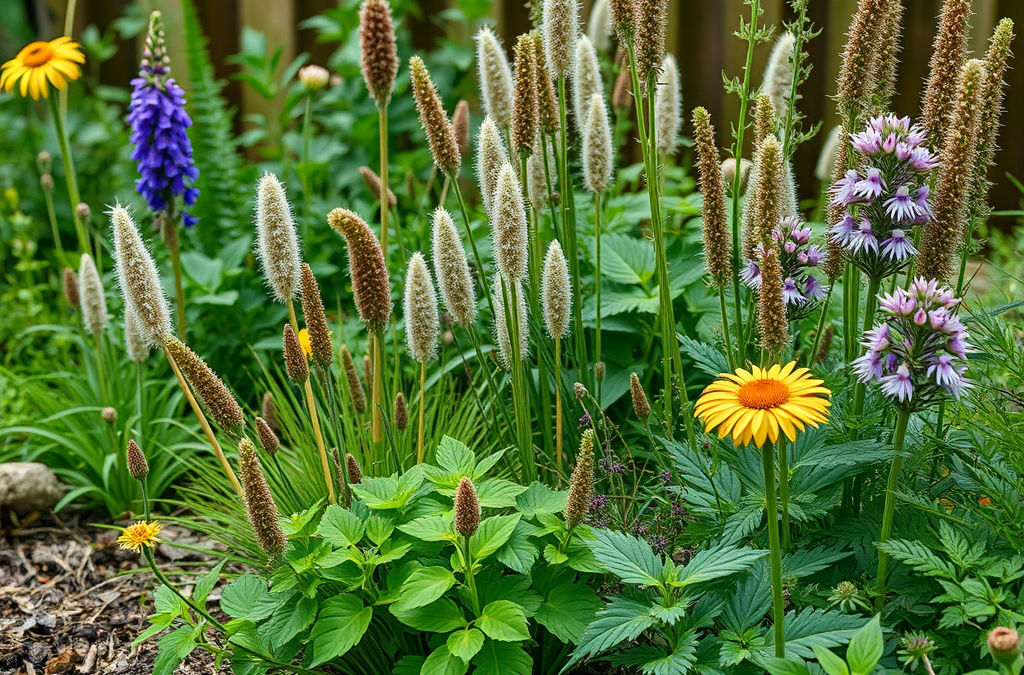
Creating a backyard wildlife habitat involves incorporating native plants, providing water sources, and building shelters to attract local wildlife. Start by selecting native plants that offer food and shelter for birds, butterflies, and beneficial insects. Ensure there is a clean water source, like a birdbath or pond, to support hydration needs. Additionally, create nesting areas with birdhouses or brush piles to provide safe spaces for wildlife. Regular maintenance, including seasonal plant care and habitat monitoring, is crucial for sustainability.
Understanding Native Plants and Their Importance
Native plants are the cornerstone of any successful backyard wildlife habitat. They provide essential food sources and shelter for local wildlife, including birds, insects, and small mammals. By choosing plants that are well-adapted to the local climate and soil conditions, you can create a thriving ecosystem that supports biodiversity. For instance, plants like coneflowers and milkweed attract pollinators, while berry-producing shrubs provide nourishment for birds.
When selecting plants, consider including a mix of flowering species, shrubs, and trees. This diversity not only enhances the aesthetic value of your yard but also creates various niches for wildlife. Additionally, native plants generally require less maintenance and fewer resources than non-native species, making them a sustainable choice for your habitat.
Water Sources: Essential for Wildlife
Providing a reliable water source is crucial for attracting wildlife to your backyard habitat. Birds, insects, and other animals need water for drinking, bathing, and breeding. You can create a water feature by installing a birdbath, pond, or even a small fountain. Ensure that the water source is clean and regularly maintained to prevent algae growth and mosquito breeding.
For smaller wildlife, consider adding shallow dishes filled with pebbles and water, which can serve as safe drinking spots. Position these water sources in sunny areas where animals can easily access them while also providing nearby cover from predators. Regularly check and refill these water sources to ensure they remain inviting and accessible.
Creating Shelter and Nesting Areas
Shelter is vital for wildlife, as it offers protection from predators and harsh weather. You can enhance your backyard habitat by incorporating various structures that serve as shelter. Birdhouses, bat boxes, and insect hotels can provide safe nesting spots for various species. Ensure that these structures are designed according to the specific needs of the wildlife you wish to attract.
Additionally, creating natural shelters using native shrubs, brush piles, or logs can benefit ground-dwelling animals. These elements mimic natural environments and encourage wildlife to take up residence in your backyard. Avoid using pesticides or chemicals in these areas, as they can harm both the wildlife and the plants that support them.
Maintenance and Monitoring for a Thriving Habitat
Once your backyard wildlife habitat is established, ongoing maintenance is essential to ensure its success. Regularly check the health of your plants, remove invasive species, and replenish water sources. Monitoring the wildlife that visits your habitat can also provide insights into its effectiveness. Keep a journal of the species you observe and any changes in their populations.
Consider seasonal tasks such as pruning, mulching, and replanting to keep your habitat vibrant and functional. Engaging with local wildlife organizations can also provide valuable resources and advice on maintaining a healthy habitat. By committing to regular upkeep, you’ll create a sustainable environment that supports local wildlife for years to come.
Frequently Asked Questions
What are the best plants to use for a wildlife habitat?
Native plants such as coneflowers, milkweed, and berry-producing shrubs are excellent choices for attracting wildlife.
How can I attract birds to my backyard habitat?
Providing food sources like seeds and nectar, along with water and nesting sites, can effectively attract birds.
Is it necessary to use native plants only?
While native plants are highly beneficial for local wildlife, incorporating a few non-invasive species can also enhance diversity.
How do I maintain my wildlife habitat?
Regular maintenance includes checking plant health, removing invasive species, and ensuring water sources are clean and accessible.
Can I create a wildlife habitat in a small yard?
Yes, even small spaces can support wildlife with thoughtful plant selection and water features.
Conclusion
Creating a backyard wildlife habitat is a rewarding endeavor that fosters biodiversity and supports local ecosystems. By incorporating native plants, providing essential water sources, and ensuring shelter, you can attract a variety of wildlife to your space. Regular maintenance and monitoring will help sustain your habitat, ensuring it remains a thriving sanctuary for years to come. Start small, and gradually expand your efforts to create a welcoming environment for nature.


