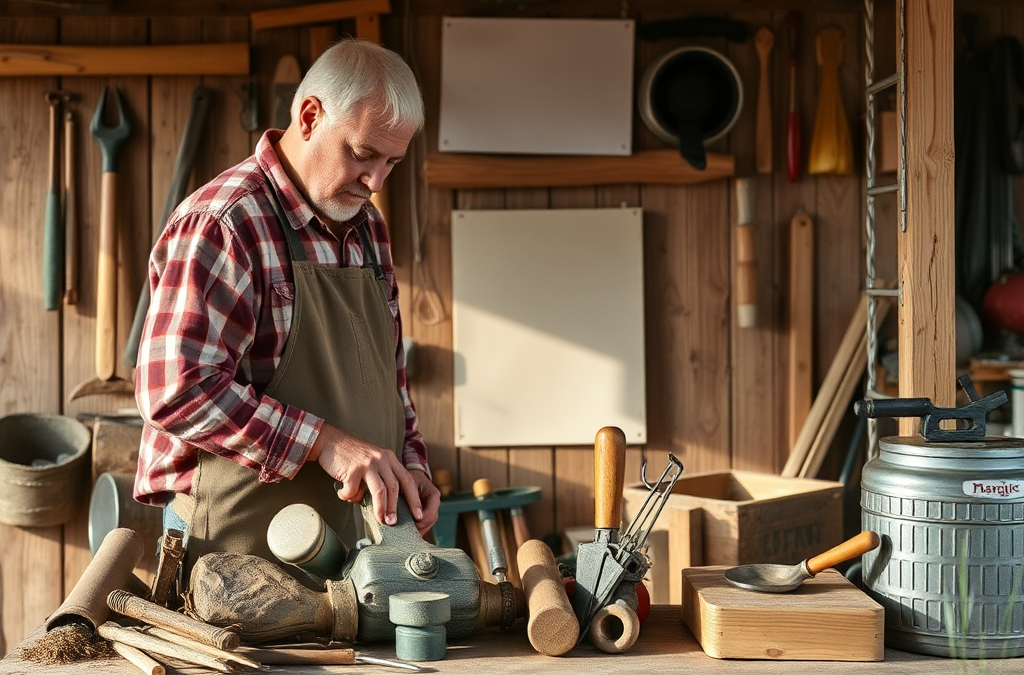
To choose the right tools for your homestead, assess your specific needs based on the types of tasks you will undertake, prioritize quality and durability over cost, and consider both manual and powered options. Essential tools include hand tools for gardening, power tools for construction, and specialized equipment for livestock care. Avoid common pitfalls like underestimating the importance of tool maintenance and overbuying unnecessary equipment.
Assessing Your Homestead Needs
Choosing the right tools for your homestead begins with a clear assessment of your specific needs. Consider the types of tasks you will be performing regularly—such as gardening, building, or animal care—and identify the tools that will facilitate these activities. For instance, if you plan to grow vegetables, you’ll need a variety of gardening tools, while livestock owners will require specialized equipment for animal care.
Understanding the scale of your homestead is also crucial. A small urban homestead may only require basic hand tools, while a larger rural setting might necessitate heavy-duty equipment. Additionally, think about your physical capabilities and preferences; certain tools might be more suitable for your strength and skill level.
Essential Hand Tools for Daily Tasks
Hand tools are the backbone of any homestead, offering versatility and reliability without the need for power sources. Essential hand tools include shovels, rakes, hoes, and pruners, each designed for specific tasks. A sturdy shovel is indispensable for digging and moving soil, while a hoe is perfect for weeding and soil preparation.
When investing in hand tools, prioritize quality and durability. Look for tools made from high-quality materials, as they will withstand the rigors of homesteading. Brands that offer a lifetime warranty are often a good indicator of quality. Regular maintenance, such as sharpening blades and cleaning tools after use, will extend their lifespan and ensure efficiency.
Power Tools: When and Why to Use Them
Power tools can significantly enhance productivity on your homestead, especially for larger projects. Tools like chainsaws, drills, and tillers can save time and effort but come with their own set of considerations. When choosing power tools, assess the scale of the tasks you’ll be undertaking. For instance, a small electric tiller may suffice for a garden bed, while a larger, gas-powered tiller might be necessary for extensive plots.
Safety is paramount when using power tools. Ensure you are familiar with operating procedures and invest in protective gear such as gloves and goggles. Additionally, consider the availability of power sources—some tools require electricity, while others may rely on batteries or gas.
Specialized Tools for Livestock and Gardening
For those who keep livestock, specialized tools are essential for daily care. Items like feed scoops, water troughs, and grooming equipment cater specifically to the needs of various animals. For example, goats may require different handling tools compared to chickens, highlighting the importance of tailored equipment.

In gardening, specialized tools such as soil testers, composters, and irrigation systems can vastly improve your yields and efficiency. A soil tester helps determine nutrient levels and pH, allowing for informed decisions about fertilization and amendments. Similarly, an efficient irrigation system can save time and conserve water, proving beneficial in the long run.
Maintenance and Care for Your Tools
Proper maintenance of your tools is essential to ensure longevity and effectiveness. Regular cleaning, sharpening, and oiling of tools can prevent rust and damage. For instance, wooden handles should be sanded and treated with oil to prevent splintering, while metal tools should be wiped down to remove dirt and moisture.
Store tools in a dry, sheltered area to protect them from the elements. Consider organizing your tools in a designated space, such as a shed or garage, to make them easily accessible and to avoid damage. Keeping an inventory of your tools can also help track their condition and identify any that may need repair or replacement.
For additional insights and resources on selecting and maintaining tools for your homestead, consider exploring the following materials: