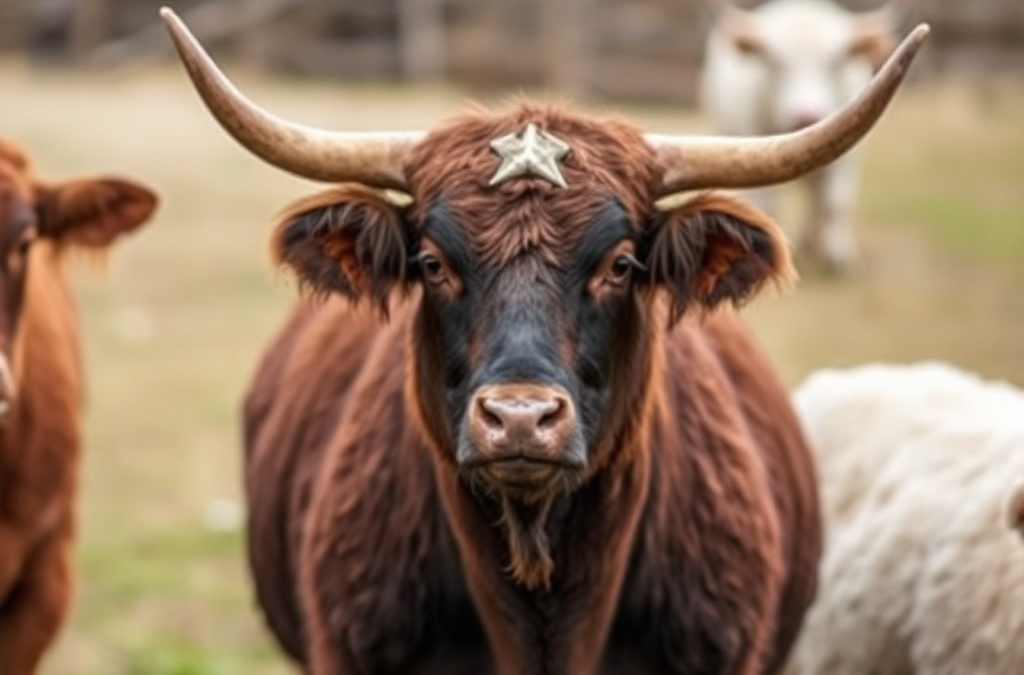
To choose the right livestock breeds for your needs, start by clearly defining your primary goals, such as meat, milk, or egg production. Assess the space you have available, as larger animals like cattle require more room than smaller ones like chickens. Additionally, consider your local climate, as some breeds are better suited to specific weather conditions. Research breeds that align with your goals and environment, and remember to factor in your budget for feed and care. This approach will help you select breeds that not only thrive but also fit well within your resources and management style.
Understanding Your Goals and Needs
Before selecting livestock breeds, it’s crucial to clarify your goals. Are you interested in meat production, dairy, egg-laying, or perhaps fiber? Each purpose requires different breed characteristics. For instance, if your primary goal is to produce meat, consider breeds known for rapid growth and good feed conversion. Conversely, if you’re interested in dairy, choose breeds recognized for high milk yield and quality.
Additionally, think about whether you want livestock for personal use or commercial purposes. Breeds that perform well in a small-scale setting may differ from those optimized for larger operations. Understanding these goals will guide your research and help narrow down your options.
Evaluating Space and Resources
Space and resources are fundamental factors when selecting livestock breeds. Different breeds have varying space requirements, which can significantly affect their health and productivity. For example, larger animals like cattle require more grazing area compared to smaller animals like chickens or rabbits.
Consider your available infrastructure, such as barns, fencing, and water supply. If your space is limited, you might need to focus on breeds that are more adaptable to confined conditions. Moreover, evaluate your budget for feed, veterinary care, and maintenance. Some breeds may require specialized care or higher-quality feed, which could impact your overall costs.
Climate Considerations for Livestock Breeds
Climate plays a vital role in determining which livestock breeds will thrive on your homestead. Some breeds are better suited for hot, humid environments, while others perform well in cold, harsh climates. For instance, breeds like the Brahman are known for their heat tolerance, making them ideal for warmer regions, whereas breeds such as the Hereford are more suited for cooler climates.
Understanding your local climate will help you choose breeds that are less likely to suffer from heat stress, frostbite, or other climate-related issues. It’s also important to consider the management practices you can implement to mitigate climate-related challenges, such as providing shelter or shade.
Researching Suitable Breeds
Once you have a clear understanding of your goals, space, and climate, it’s time to research specific breeds. Utilize reputable resources such as agricultural extension services, breed associations, and livestock shows to gather information. Look for breeds that have a proven track record in your area or similar environments.
Engaging with local farmers can provide invaluable insights into breed performance and management practices. Additionally, consider the genetic traits of the breeds, such as disease resistance, growth rates, and reproductive efficiency. This research will ensure that you select breeds that align with your homesteading objectives and are well-suited for your specific conditions.

Frequently Asked Questions
What factors should I consider when choosing livestock breeds?
Consider your goals (meat, dairy, eggs), available space, resources, and local climate to select the right breeds.
How does climate affect livestock breed selection?
Different breeds have varying tolerances to heat and cold; choose breeds suited to your local climate to enhance their health and productivity.
Can I raise multiple livestock breeds together?
Yes, but ensure that their space, dietary, and social needs align to prevent stress and competition among the animals.
What common mistakes should I avoid when selecting livestock breeds?
Avoid selecting breeds solely based on popularity; ensure they fit your specific goals, resources, and environment for better outcomes.
Conclusion
Choosing the right livestock breeds requires careful consideration of your goals, available space, and climate. Prioritize breeds that align with your specific needs and local conditions to maximize productivity and animal welfare. Take the time to research and engage with local resources to make informed decisions, ensuring a successful and sustainable livestock operation.