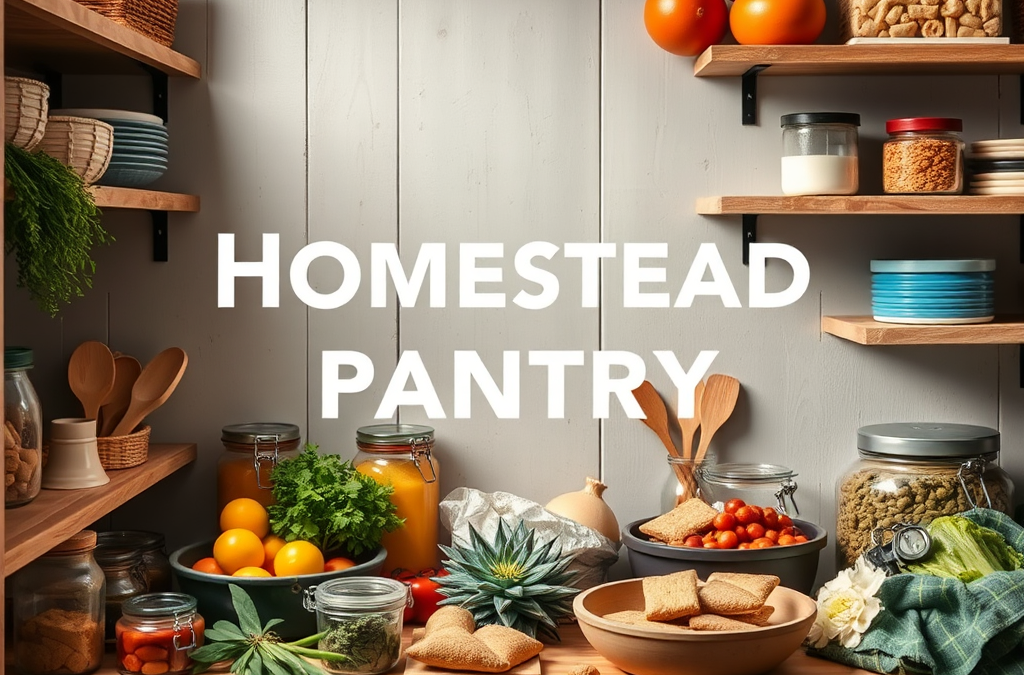
A homestead pantry for lifestyle living is essential for achieving self-sufficiency and sustainability. To build an effective pantry, prioritize a diverse selection of nutrient-dense foods such as grains, legumes, and canned goods, ensuring they are stored in a cool, dark place to maximize shelf life. Regularly rotating your stock based on seasonal availability will help maintain freshness and minimize waste. Additionally, keeping an organized inventory allows for efficient meal planning and reduces the risk of spoilage. Emphasizing both fresh and preserved foods will enhance your culinary options and support a healthier lifestyle.
Understanding the Homestead Pantry Concept
A homestead pantry is more than just a storage space; it embodies the principles of self-sufficiency and sustainability. Central to this concept is the idea of having a well-stocked pantry that supports a lifestyle focused on wholesome, homegrown, or locally sourced foods. This setup not only reduces dependence on grocery stores but also fosters a deeper connection to the food you consume.
Building a homestead pantry requires understanding the seasonal availability of ingredients, the nutritional value of preserved foods, and the importance of proper storage methods. By prioritizing these elements, you can create a pantry that reflects your lifestyle choices, promotes health, and minimizes waste.
Essential Foods for Your Pantry
When stocking your homestead pantry, focus on a variety of essential foods that are versatile and nutrient-dense. Key categories include grains, legumes, canned goods, dried fruits, and spices. Whole grains like oats, rice, and wheat provide a solid foundation for many meals, while legumes such as beans and lentils are excellent sources of protein.
Canned goods, including vegetables, fruits, and meats, offer convenience and long shelf life, making them indispensable for quick meal preparations. Additionally, incorporating dried fruits and nuts contributes to healthy snacking options. Spices and herbs enhance flavor and can transform simple dishes into culinary delights, making them vital for maintaining variety in your meals.
Storage Techniques for Longevity
Proper storage techniques are crucial for maintaining the quality and longevity of pantry items. Use airtight containers to protect grains and legumes from moisture and pests, while ensuring that canned goods are stored in a cool, dark place to prevent spoilage. Labeling containers with dates can help keep track of freshness, especially for items with a shorter shelf life.
Additionally, consider implementing a first-in, first-out (FIFO) system to utilize older items before newer ones. This practice not only minimizes waste but also ensures that you are consuming food at its peak quality. Regularly checking your pantry for expired or spoiled items allows you to maintain an efficient and effective storage system.
Meal Planning and Inventory Management
Effective meal planning is essential for maximizing the benefits of your homestead pantry. Start by creating weekly menus that incorporate the ingredients you have on hand, focusing on using fresh items first while incorporating preserved foods as needed. This approach helps reduce food waste and encourages creativity in meal preparation.
Keeping an inventory of your pantry items can streamline this process. Regularly updating your inventory with what you have, along with expiration dates, allows for better meal planning and reduces the chances of forgetting about items that need to be used. Being organized in this way also helps identify when to replenish supplies, ensuring your pantry remains a reliable resource for your homestead lifestyle.
Frequently Asked Questions
What are the benefits of maintaining a homestead pantry?
A homestead pantry promotes self-sufficiency, reduces food waste, and provides easy access to nutritious foods, supporting a sustainable lifestyle.
How do I start building my homestead pantry?
Begin by assessing your dietary needs and preferences, then stock up on essential items like grains, legumes, canned goods, and spices, focusing on quality and variety.
How can I ensure my pantry items stay fresh?
Store items in airtight containers, keep them in a cool, dark place, and regularly check for expiration dates to maintain freshness.
What are some common mistakes when managing a homestead pantry?
Common mistakes include overstocking perishable items, neglecting to rotate inventory, and failing to keep an updated inventory list, leading to wasted food.
How can meal planning help with pantry management?
Meal planning helps utilize ingredients efficiently, reduces food waste, and ensures a balanced diet by incorporating both fresh and preserved foods in your meals.
Conclusion
Establishing a homestead pantry for lifestyle living is a rewarding endeavor that enhances self-sufficiency and promotes healthier eating habits. By focusing on essential foods, employing effective storage techniques, and practicing meal planning, you can create a pantry that supports your lifestyle and minimizes waste. Prioritize regular inventory checks and adapt your pantry to reflect seasonal changes to maintain its effectiveness and relevance in your daily life.