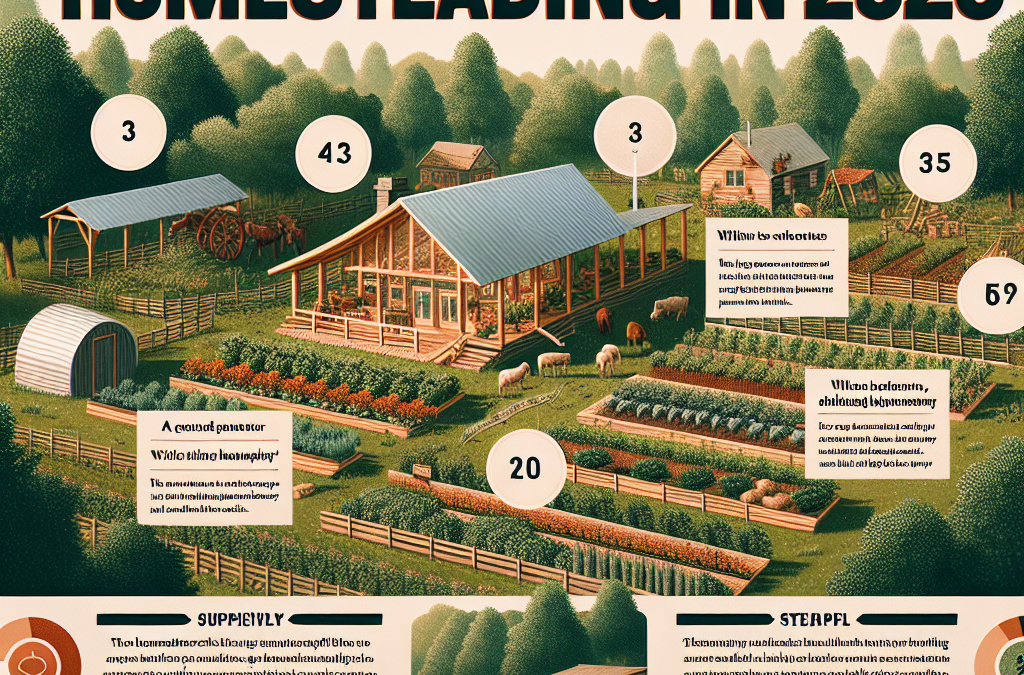
Transitioning to a homestead lifestyle requires careful planning and commitment. Key considerations include understanding seasonal planting cycles, selecting appropriate crops, and managing livestock for sustainable meat, dairy, and egg production. Additionally, methods such as canning, fermenting, and drying can extend the shelf life of harvested foods, creating a robust food supply year-round. Mistakes often arise from underestimating the resources needed or failing to prepare for seasonal variations in food production.
Moreover, many newcomers overlook the importance of soil health and ecosystem balance. Implementing practices such as crop rotation, composting, and permaculture can enhance soil fertility and biodiversity, leading to a more resilient homestead. Prioritizing these aspects can significantly impact the success and sustainability of your homestead, making it essential to educate oneself on these foundational principles.
Key Crops for Homestead Living
Choosing the right crops is fundamental to successful homestead living without grocery stores. Crops such as potatoes, beans, squash, and various leafy greens are not only nutritious but also relatively easy to grow and store. These crops can be cultivated in small spaces and yield a significant harvest, providing essential nutrients throughout the year.
When planning your garden, consider companion planting, which can enhance productivity and reduce pest issues. For instance, planting tomatoes with basil can improve flavor and deter harmful insects. Additionally, understanding your local climate and soil conditions will aid in selecting the most suitable varieties for your homestead. A common oversight is failing to rotate crops, which can deplete soil nutrients and lead to pest problems.
Prioritize creating a diverse planting schedule to ensure a continuous harvest throughout the seasons. This not only maximizes your food supply but also contributes to soil health. Regularly test your soil to understand its nutrient content, and amend it as necessary to support plant growth.
Raising Livestock: Essentials for Food Production
Raising livestock is an integral part of homestead living without grocery stores, providing meat, eggs, and dairy products. Chickens, goats, and pigs are popular choices due to their manageable size and high yield. Chickens, for instance, can produce eggs daily, while goats can provide both milk and meat.
When starting a livestock operation, ensure you have adequate space, shelter, and fencing to keep your animals safe and healthy. Additionally, understand the dietary needs of each species to maintain their health and productivity. Many new homesteaders underestimate the costs associated with livestock care, including feed, veterinary care, and habitat maintenance. It’s essential to budget for these ongoing expenses.
Regular health checks and vaccinations are critical in preventing disease outbreaks within your herd. Creating a rotational grazing plan can also enhance pasture health, allowing for sustainable livestock management. This practice allows grass to recover and grow, providing a consistent food source for your animals.
Food Preservation Techniques
Food preservation is crucial for maximizing the harvest from your homestead. Techniques such as canning, fermenting, and drying can help you store seasonal produce for long-term use. Canning is particularly effective for fruits and vegetables, while fermentation can enhance flavors and improve gut health.
To start canning, invest in quality jars, lids, and a pressure canner for low-acid foods. It’s vital to follow tested recipes to ensure safety, as improper canning can lead to foodborne illnesses. Many homesteaders find that learning the basics of fermentation, such as making sauerkraut or pickles, can be both enjoyable and beneficial for preserving food.
Additionally, drying fruits and herbs can create valuable ingredients for cooking and baking. Dehydrators or even an oven can be used for this purpose. Be mindful of the moisture content in your preserved foods; too much moisture can lead to spoilage. Regularly inspect stored goods and rotate them to maintain freshness.

Common Mistakes to Avoid
Transitioning to homestead living without grocery stores can be challenging, and several common mistakes can hinder success. One significant error is underestimating the time and effort required for food production and preservation. Planning for each season is essential to avoid shortages during lean months.
Another mistake is failing to network with other homesteaders or local farmers. Building a community can provide invaluable support, resources, and knowledge-sharing opportunities. Many newcomers also overlook the importance of record-keeping, which can help track what works well and what needs improvement in your homestead.
Prioritize continuous education by attending workshops or joining online forums focused on homesteading. This will help you stay informed about best practices and innovative techniques that can enhance your self-sufficiency journey. Avoiding these common pitfalls can significantly improve your chances of success in homesteading.
Further Reading
Authoritative Sources
- Rodale Institute
rodaleinstitute.orgThis source provides extensive information on sustainable agriculture and organic practices essential for homesteading
- Backyard Chickens
backyardchickens.comA valuable resource for anyone interested in raising chickens, offering tips on care, feeding, and health management
- The Prairie Homestead
theprairiehomestead.comThis blog features practical advice on homesteading, including gardening, food preservation, and livestock management
- Fermentation Culture
fermentationculture.comA guide to all things fermentation, providing resources and recipes for preserving food through fermentation
Frequently Asked Questions
What are the best crops for homesteading?
Best crops include potatoes, beans, squash, and leafy greens, as they are nutritious and yield well in various conditions.
How do I start raising chickens?
Begin by researching local regulations, selecting a breed, and preparing a safe coop with adequate space and food.
What preservation methods are most effective?
Canning, fermenting, and drying are effective methods for preserving seasonal produce and extending shelf life.
How can I improve my soil health?
Implement practices such as crop rotation, composting, and cover cropping to enhance soil fertility and structure.
What common mistakes should I avoid as a new homesteader?
Avoid underestimating the time required for food production and neglecting to network with other homesteaders for support.