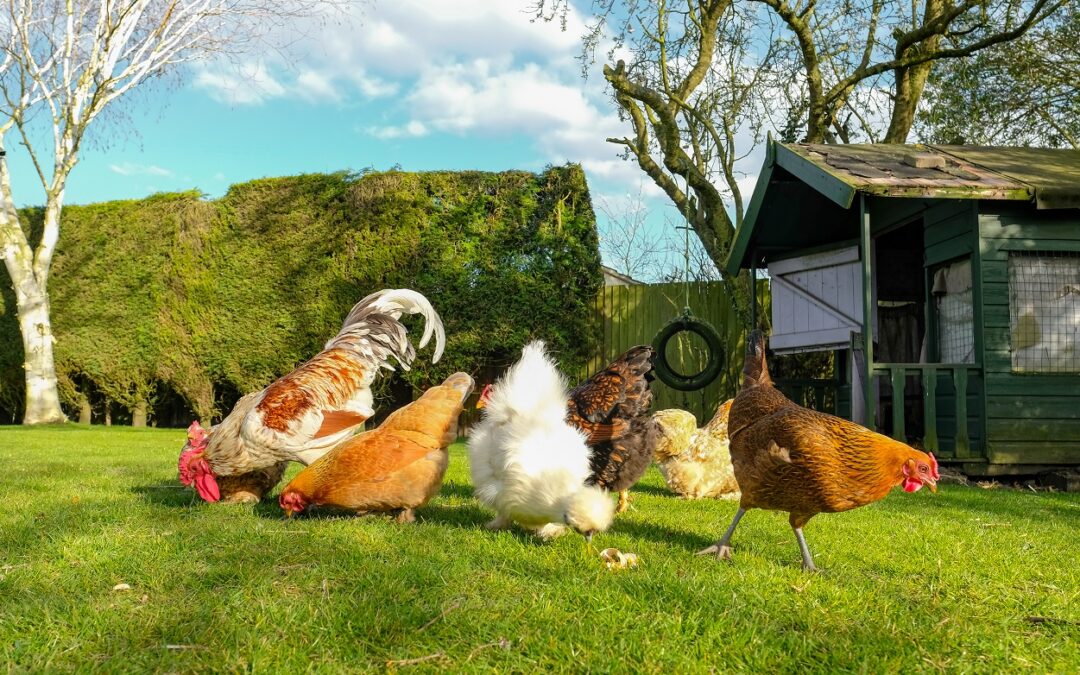
Homestead living with financial freedom means establishing a lifestyle that focuses on sustainability and self-sufficiency, reducing reliance on traditional financial systems. This lifestyle encourages individuals to cultivate their own food, manage resources wisely, and develop skills that contribute to both personal independence and financial savings. By prioritizing essential homesteading skills, such as gardening, raising livestock, and preserving food, individuals can create a stable, low-cost living environment.
The journey toward financial freedom through homesteading requires a solid understanding of resource management, time commitment, and the willingness to learn. Common pitfalls include underestimating the costs of initial setup, neglecting to plan for seasonal changes, and failing to diversify income sources. It is crucial to approach this lifestyle with realistic expectations and a willingness to adapt and grow. Balancing labor with financial goals helps create a sustainable homestead that can thrive long-term.
Essential Skills for Homestead Living
Developing essential skills is fundamental to achieving financial freedom on a homestead. Skills such as gardening, animal husbandry, and food preservation not only provide sustenance but also significantly reduce grocery expenses. Learning to cultivate your own vegetables, fruits, and herbs can lead to substantial savings, while raising chickens or goats can provide eggs and milk, respectively.
Moreover, DIY skills like woodworking, plumbing, and electrical work can save money on repairs and improvements. Investing time in skill development pays off as it enhances self-reliance and reduces the need to hire outside help. Consider joining local workshops or online courses to build these skills effectively.
Financial Planning and Budgeting
Effective financial planning is crucial for those pursuing homestead living with financial freedom. Creating a detailed budget that accounts for all expenses, including initial setup costs and ongoing maintenance, can help in managing finances effectively. Tracking income and expenses allows for better decision-making and helps identify areas where costs can be reduced.
It’s also beneficial to establish an emergency fund to cover unexpected expenses, ensuring that the homestead remains sustainable in challenging times. Regularly reviewing and adjusting the budget according to changing circumstances can contribute to long-term financial health.
Income Generation Strategies
Diversifying income sources is essential for achieving financial stability while living on a homestead. Beyond growing food for personal use, consider selling surplus produce at local farmers’ markets or through community-supported agriculture (CSA) programs. Livestock can also provide additional income through sales of eggs, milk, or meat.
Additionally, exploring alternative income streams, such as hosting workshops, offering farm tours, or creating value-added products like jams and pickles, can enhance financial resilience. Building a brand around your homestead can attract customers and create a loyal following.
Sustainable Resource Management
Managing resources sustainably is a key component of homestead living that directly impacts financial freedom. Implementing permaculture practices, such as crop rotation and companion planting, can lead to healthier soil and increased yields. Water conservation techniques, such as rainwater harvesting and drip irrigation, can also minimize costs associated with water use.
Using renewable energy sources, like solar panels or wind turbines, can reduce reliance on external energy providers, further contributing to financial independence. Understanding and utilizing the resources available on your land can optimize productivity and reduce expenses.

For those interested in delving deeper into homestead living with financial freedom, consider the following resources:
Frequently Asked Questions
What are the first steps to start homesteading?
The first steps include selecting a suitable location, planning your layout, and learning essential skills like gardening and animal care.
How can I reduce costs while homesteading?
Reducing costs can be achieved through DIY projects, growing your own food, and minimizing reliance on purchased goods.
Is homesteading financially sustainable?
Yes, with careful planning, skill development, and diversification of income sources, homesteading can lead to financial sustainability.
What skills are essential for successful homesteading?
Essential skills include gardening, animal husbandry, food preservation, and basic construction or repair skills.
Can I generate income from my homestead?
Yes, income can be generated by selling surplus produce, offering workshops, or creating value-added products.
Conclusion
Homestead living with financial freedom is an achievable goal that requires dedication, skill development, and strategic planning. By focusing on essential skills, effective budgeting, and sustainable resource management, individuals can create a self-sufficient lifestyle that not only reduces living costs but also fosters a deeper connection with their environment. Prioritizing diverse income sources further enhances financial stability, making this lifestyle both rewarding and practical. For those considering this path, embracing the journey with an open mind and a willingness to learn will lead to lasting benefits.