A homestead lifestyle without modern stress is about reconnecting with nature and simplifying life through sustainable practices. This lifestyle encourages individuals to cultivate self-sufficiency by growing their own food, raising animals, and living in harmony with their surroundings. By prioritizing these methods, individuals can significantly reduce the stress often associated with modern living, which is heavily influenced by technology and constant connectivity.
One of the primary benefits of a homestead lifestyle is the reduction in reliance on external systems, which often create unnecessary pressures. Many people find themselves overwhelmed by the demands of modern life, including work, technology, and social obligations. By focusing on self-reliance, homesteaders can create a lifestyle that values time spent in nature, personal growth, and community connections. Mistakes often occur when individuals underestimate the time and effort required to transition to a self-sufficient lifestyle, leading to frustration and burnout.
It’s essential to understand that while a homestead lifestyle can offer numerous benefits, it also requires commitment and adaptability. Transitioning from a conventional lifestyle to one that embraces simplicity involves planning, learning new skills, and sometimes facing challenges that can arise from living off the grid. Prioritizing education in areas like permaculture, animal care, and food preservation can help ease this transition and make the experience more rewarding.
Sustainable Practices for a Stress-Free Lifestyle
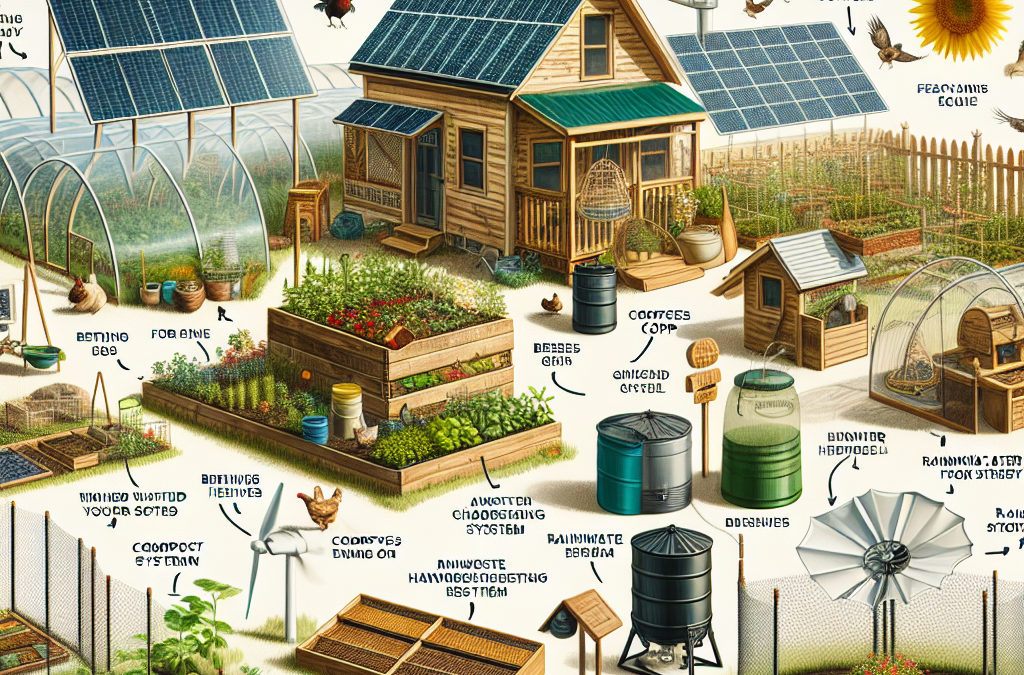
Implementing sustainable practices is crucial for achieving a homestead lifestyle without modern stress. Techniques such as organic gardening, composting, and rainwater harvesting not only enhance self-sufficiency but also promote environmental stewardship. By growing your own food and reducing waste, you can create a healthier living environment.
Many people overlook the importance of soil health in gardening, which can lead to poor crop yields and frustration. Prioritizing practices like crop rotation and natural pest control can ensure a bountiful harvest and lessen the workload associated with gardening. Additionally, learning about seasonal planting can help align your gardening efforts with nature’s cycles, further reducing stress.
Building a Self-Sufficient Homestead
Creating a self-sufficient homestead involves careful planning and resource management. This includes deciding on the size of your garden, the type of animals to raise, and how to manage your resources effectively. A well-planned homestead can provide food security and reduce reliance on grocery stores.
Common pitfalls include overextending oneself by taking on too many projects at once. It’s important to start small and gradually expand your homestead capabilities as you gain experience and confidence. Focus on mastering one skill at a time, whether it’s gardening, animal care, or food preservation, to avoid feeling overwhelmed.
Community and Connection in Homesteading
Connection with community can significantly enhance the homesteading experience. Engaging with local homesteaders can provide valuable support, knowledge, and friendship. Sharing resources, tools, and skills fosters a sense of belonging and reduces the isolation that can accompany self-sufficient living.

Many individuals make the mistake of attempting to homestead in isolation, which can lead to feelings of loneliness and frustration. By participating in local workshops, farmers’ markets, or homesteading groups, you can build a network that supports your journey and enriches your experience.
For those interested in exploring more about adopting a homestead lifestyle without modern stress, consider looking into local workshops or resources on sustainable living, gardening, and animal husbandry. Engaging with local libraries or community centers can also provide access to valuable information and networking opportunities.
Frequently Asked Questions
What are the benefits of a homestead lifestyle?
A homestead lifestyle promotes self-sufficiency, reduces stress, and encourages a close connection with nature, leading to a more fulfilling life.
How can I start a homestead lifestyle?
Begin by learning about sustainable practices, starting a small garden, and gradually expanding your self-sufficiency efforts.
What skills are essential for homesteading?
Key skills include gardening, animal husbandry, food preservation, and basic construction or repair skills.
Can I homestead in an urban area?
Yes, urban homesteading is possible through container gardening, community gardens, and raising small animals like chickens, depending on local regulations.
What challenges might I face while homesteading?
Common challenges include time management, resource availability, and the need for ongoing education in sustainable practices.
Conclusion
Embracing a homestead lifestyle without modern stress requires dedication to sustainable practices and a willingness to learn. Prioritize building your skills gradually and connect with your community to enrich your experience. By focusing on self-sufficiency and simplicity, you can create a fulfilling and less chaotic life that aligns with nature’s rhythms.