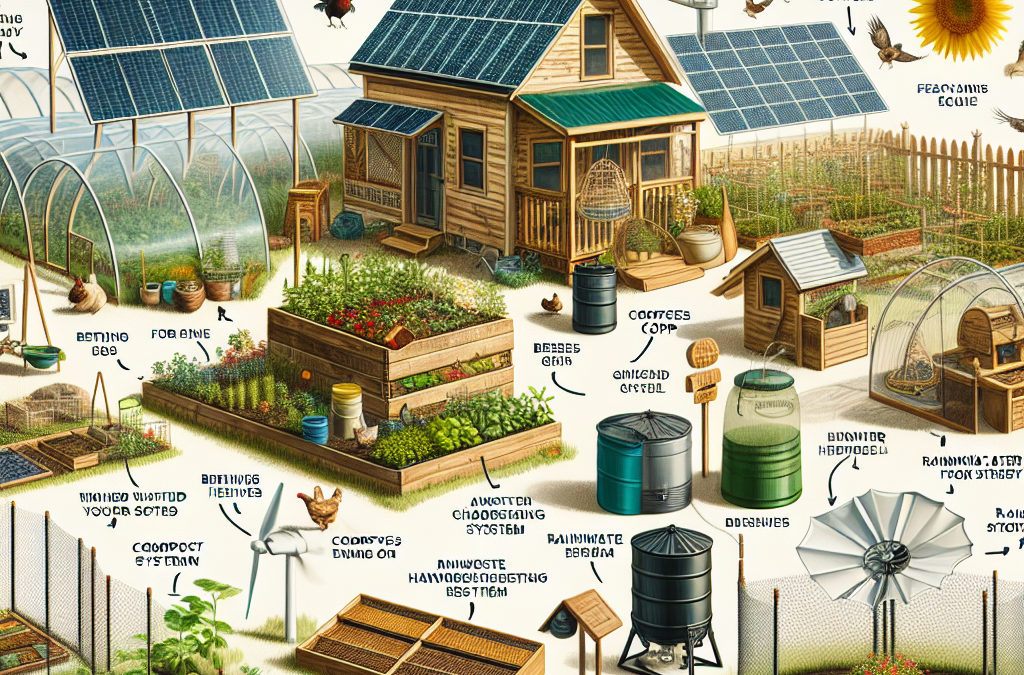
Building a homestead life for retirees requires a thoughtful approach that balances practical skills with the joy of nurturing a sustainable environment. Retirees can find fulfillment by growing their own food, raising animals, and embracing eco-friendly practices. These activities not only provide physical benefits but also foster a sense of community and purpose.
Beyond the physical benefits, engaging in homesteading activities can significantly enhance mental well-being. Many retirees may face challenges such as isolation or loss of purpose after leaving the workforce. By immersing themselves in homesteading, they can cultivate a sense of belonging and achievement. However, it’s vital to acknowledge potential pitfalls, such as underestimating the physical demands of maintaining a homestead or the need for ongoing education about sustainable practices.
Choosing the Right Location for Your Homestead
Finding the ideal location is crucial for a successful homesteading experience. Factors like climate, soil quality, and proximity to resources will significantly impact your homestead’s productivity and sustainability. Retirees should consider areas with mild climates and ample rainfall, as these conditions facilitate year-round gardening and livestock care.
Moreover, understanding local zoning laws and community regulations will help avoid potential legal issues. It’s also beneficial to choose a location that fosters social connections, as building relationships with neighbors can provide valuable support and shared resources.
Essential Skills for Retiree Homesteaders
Developing essential skills is vital for successfully managing a homestead. Key skills include gardening, animal husbandry, food preservation, and basic carpentry. Retirees should focus on acquiring knowledge through workshops, online courses, or local community programs that offer hands-on experience.
Additionally, it’s important to recognize that learning is a continuous process. Many retirees may feel overwhelmed by the variety of skills needed, but starting with a few manageable tasks, such as planting a small vegetable garden, can create a strong foundation for future growth.
Creating a Sustainable Garden
A sustainable garden is the cornerstone of a successful homestead. It provides fresh produce and contributes to a self-sufficient lifestyle. Retirees should choose crops that are well-suited to their climate and soil type while considering their dietary preferences.
Incorporating companion planting and permaculture principles can enhance garden productivity and reduce the need for chemical fertilizers. It’s also essential to establish a watering system that conserves resources, such as drip irrigation or rainwater collection, which can be particularly beneficial for retirees looking to reduce maintenance efforts.
Animal Care Basics for Retirees
Integrating animals into a homestead can provide additional benefits, such as fresh eggs or milk, but it requires specific knowledge and commitment. Retirees should start with manageable livestock options, like chickens or goats, which are relatively easy to care for.

Understanding animal behavior and health care is crucial to ensure their well-being. Retirees should also consider the time and resources needed to care for the animals, as neglecting their needs can lead to significant challenges.
Community Engagement and Resources
Engaging with the local community can provide vital support and resources for retirees embarking on their homesteading journey. Participating in local farmers’ markets, gardening clubs, or homesteading workshops can foster connections and knowledge sharing.
Moreover, retirees should seek out local agricultural extension services or cooperative extension programs that offer educational resources and assistance tailored to their region. Building a network can enhance the homesteading experience and provide access to shared tools, seeds, and advice.
Frequently Asked Questions
What is the first step to starting a homestead for retirees?
The first step is to choose the right location based on climate, soil quality, and proximity to resources.
How can retirees learn essential homesteading skills?
Retirees can learn skills through workshops, online courses, and local community programs offering hands-on experience.
What types of crops are best for a retiree’s garden?
Crops that are well-suited to the local climate and soil type, along with those that match dietary preferences, are ideal.
How much time do animals require for care?
The time required for animal care varies by species; however, retirees should be prepared for daily feeding and health checks.
Why is community engagement important for retirees?
Community engagement provides support, resources, and opportunities for knowledge sharing, enhancing the homesteading experience.
Conclusion
In closing, a successful homestead life for retirees is built on careful planning, skill development, and community engagement. By prioritizing the right location, essential skills, and sustainable practices, retirees can create a fulfilling lifestyle that promotes health and well-being. Moving forward, it’s crucial to remain open to learning and adapting to new challenges while enjoying the rewarding journey of homesteading.