
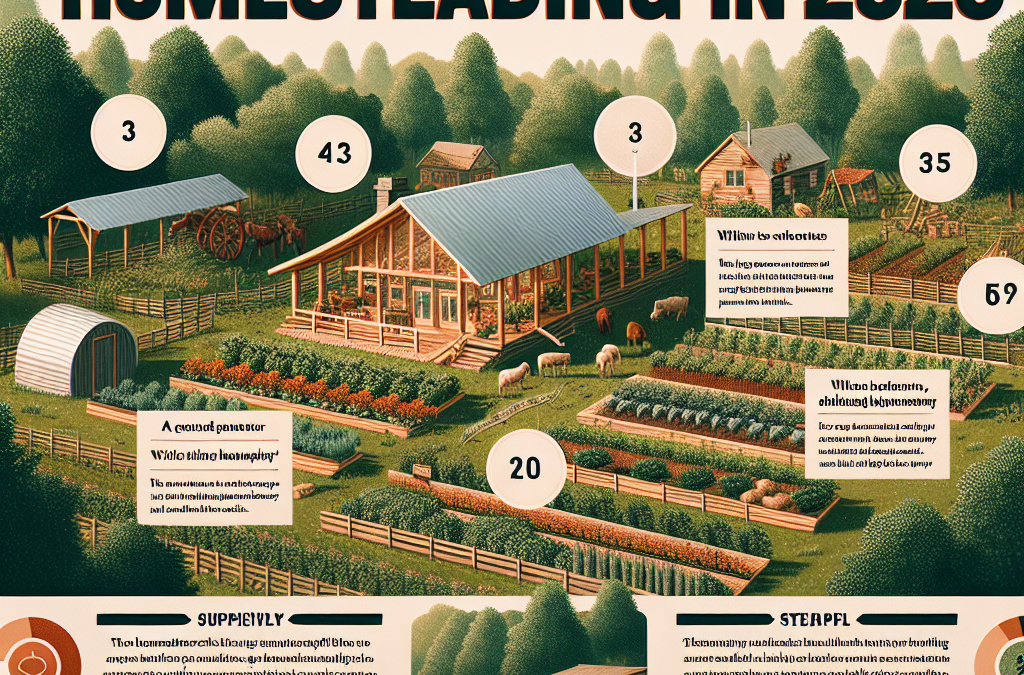
Implementing effective food routines requires careful planning and consideration of local climate conditions, soil health, and seasonal availability. Mistakes such as overplanting or ignoring crop compatibility can lead to reduced yields or wasted resources. Prioritizing crop diversity and understanding the timing of planting and harvesting are crucial to creating a balanced ecosystem on your homestead.
Moreover, many homesteaders overlook the importance of soil health and composting in their routines. Regularly testing soil and applying organic amendments can significantly enhance productivity. Additionally, integrating livestock into your food routine can provide natural fertilizer and pest control, further enriching your homestead’s ecosystem.
Understanding Crop Rotation
Crop rotation is a fundamental practice for maintaining soil health and maximizing yields. By rotating different crops in a planned sequence, you can prevent soil depletion and reduce pest and disease pressures. This method allows specific nutrient needs to be met while ensuring that the soil remains fertile.
Many homesteaders fail to rotate crops effectively, leading to nutrient imbalances and increased pest issues. It’s essential to plan rotations based on the nutrient requirements of each crop. For example, legumes can fix nitrogen in the soil, benefiting subsequent crops that require more nitrogen.
Consider also the timing of crop rotations. Seasonal conditions can impact growth rates and pest populations. For instance, planting early in the season may yield better results for certain crops, while others may thrive in the late summer. Keeping detailed records of what works can inform future rotations.
Seasonal Planting Schedules
Establishing a seasonal planting schedule is vital for successful homestead food production. This schedule should include what to plant, when to plant, and how to care for each crop throughout its growth cycle. Timing is crucial, as planting too early or too late can affect yield.
Many homesteaders underestimate the importance of understanding local climate patterns. For example, frost dates can vary significantly, impacting when to start seeds indoors or direct sow in the garden. Utilizing local agricultural extension services can provide valuable insights into local planting dates and crop recommendations.
Moreover, staggered planting can help ensure a continuous harvest. By planting in intervals, you can enjoy a steady supply of fresh produce rather than overwhelming yourself with a single large harvest. This method also allows for better management of pests and diseases, as crops can be monitored more closely.
Preserving Techniques for Long-Term Storage
Preserving your harvest is essential for maintaining food availability throughout the year. Techniques such as canning, freezing, and fermenting not only extend the shelf life of your food but also enhance its nutritional value.
Many homesteaders make the mistake of not properly preparing food for preservation, leading to spoilage or loss of nutrients. It’s important to follow safe canning practices and understand the appropriate methods for different types of produce. Additionally, investing in quality storage containers can prevent freezer burn and maintain food quality.

Consider also the benefits of fermentation, which can increase the nutritional profile of foods while providing unique flavors. Fermented foods can serve as a probiotic source, contributing to better gut health. Experimenting with different preservation methods can keep your meals varied and interesting.
Integrating Livestock into Food Routines
Integrating livestock into your homestead can enhance your food routines by providing natural fertilizers and pest control. Chickens, for example, can help reduce insect populations while their manure enriches the soil.
However, many homesteaders overlook the management of livestock, leading to inefficiencies. Understanding the needs of each species and how they fit into your overall food routine is crucial. Considerations such as space requirements, feeding practices, and health management can greatly impact productivity.
Moreover, livestock can also contribute to your food supply. Chickens provide eggs, goats offer milk, and pigs can be raised for meat. Planning for the care and integration of these animals should be a fundamental part of your homestead food routine.
Further Reading
Authoritative Sources
- Ready.gov
ready.govOfficial U.S. preparedness guidance, checklists, and planning resources for households and emergencies.
- FEMA
fema.govFederal emergency management resources, disaster planning information, and recovery guidance.
- American Red Cross Emergency Preparedness
redcross.orgPractical emergency preparation steps, supply lists, and safety guidance for families.
- National Weather Service
weather.govOfficial forecasts, hazard alerts, and weather safety information.
- CDC Emergency Preparedness and Response
cdc.govPublic health guidance for emergencies, disasters, and recovery situations.
Frequently Asked Questions
What are the key components of successful homestead food routines?
Successful homestead food routines include crop rotation, seasonal planting schedules, effective preservation techniques, and livestock integration.
How can I improve soil health on my homestead?
Improving soil health can be achieved through practices like composting, crop rotation, and testing soil pH regularly.
What are the best preservation methods for homesteaders?
The best preservation methods include canning, freezing, drying, and fermenting, each offering unique benefits for long-term storage.
How do I create a seasonal planting schedule?
Creating a seasonal planting schedule involves researching local frost dates, understanding crop needs, and planning based on your climate zone.
What livestock is best for a homestead?
The best livestock for a homestead depends on your goals, but chickens, goats, and rabbits are popular choices due to their versatility and manageable size.
Conclusion
To create effective homestead food routines, prioritize practices such as crop rotation, seasonal planting, and preservation techniques. Understanding the interplay between soil health and livestock integration can enhance your food sustainability. Begin by assessing your current routines and identify areas for improvement, ensuring that your homestead remains productive and resilient throughout the year.


