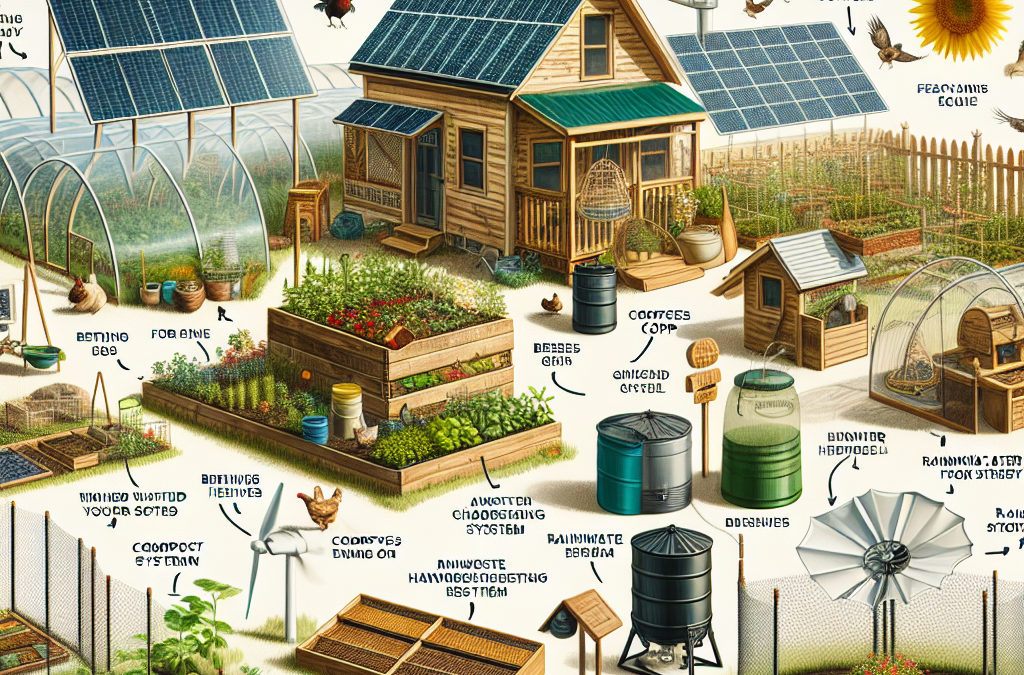
Homestead education for family life involves embedding practical skills and knowledge into everyday family activities, enhancing self-sufficiency and sustainability. Engaging in hands-on learning experiences fosters a deeper connection to the land, promotes family unity, and equips children with essential life skills. This approach not only cultivates a sense of responsibility but also encourages collaboration among family members.
One of the primary aspects of homestead education is its focus on practical skills that are often overlooked in traditional education. Families can work together on tasks such as gardening, animal husbandry, and food preservation. These activities teach valuable lessons in responsibility, cooperation, and resource management. Furthermore, they allow families to bond through shared experiences, creating lasting memories.
Integrating Practical Skills into Daily Life
Integrating practical skills into daily life is essential for effective homestead education. Families can start by incorporating activities such as gardening, cooking, and basic carpentry into their routines. These skills not only provide hands-on learning opportunities but also instill a sense of accomplishment and independence in children.
To make the most of these experiences, families should allocate specific times for these activities, ensuring they become a regular part of their lives. For instance, setting aside weekends for gardening or cooking together can create a routine that enhances learning. Additionally, parents can encourage children to take ownership of specific tasks, fostering a sense of responsibility and pride.
Benefits of Homestead Education for Families
Homestead education offers numerous benefits for families, including improved family dynamics and enhanced life skills. Engaging in practical activities together strengthens relationships, as families work towards common goals and share successes.
Moreover, children learn valuable skills that will serve them well in adulthood, such as problem-solving, critical thinking, and resourcefulness. These skills are not only applicable in homesteading but also in various aspects of life, preparing them for future challenges. The sense of accomplishment gained from completing tasks together fosters resilience and self-confidence in children.
Common Challenges and Solutions
While homestead education is rewarding, it can also present challenges. Time constraints, differing skill levels, and varying interests among family members can hinder progress. To address these issues, families should set realistic goals and expectations.
For example, if time is limited, families can focus on smaller projects that can be completed in shorter time frames. Additionally, involving all family members in planning activities can help ensure that everyone is engaged and motivated. By fostering an inclusive atmosphere, families can overcome challenges and create a supportive learning environment.

Creating a Learning Environment at Home
Creating a conducive learning environment at home is crucial for successful homestead education. Designating specific areas for activities, such as a garden or workspace, can help organize efforts and make the learning process more enjoyable.
Moreover, families should prioritize open communication, encouraging each member to share ideas and suggestions. This collaborative approach fosters creativity and promotes a sense of ownership in the learning process. By establishing a supportive atmosphere, families can enhance the effectiveness of their homestead education efforts.
Frequently Asked Questions
What is homestead education?
Homestead education is an approach that integrates practical skills and knowledge into daily family life, focusing on self-sufficiency and sustainability.
How can families start homestead education?
Families can start by incorporating hands-on activities such as gardening, cooking, and animal care into their daily routines.
What are the benefits of homestead education?
Benefits include improved family dynamics, enhanced life skills, and a deeper connection to the environment.
What challenges might families face in homestead education?
Challenges can include time constraints, differing skill levels, and varying interests among family members.
How can families overcome challenges in homestead education?
Families can set realistic goals, involve all members in planning, and focus on smaller projects to maintain engagement.