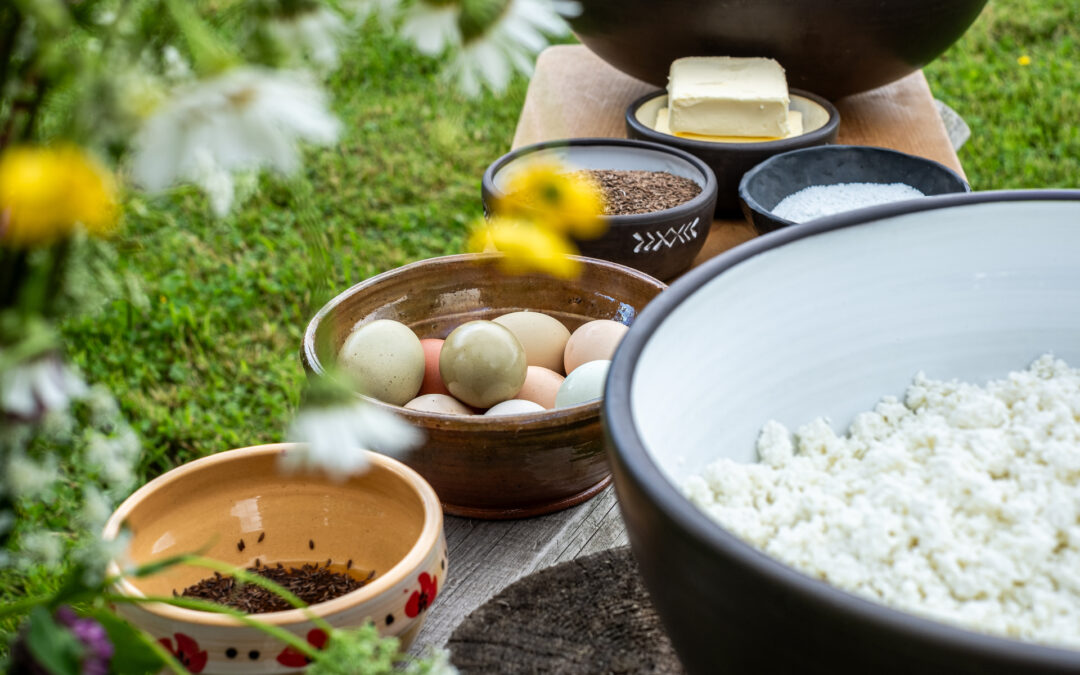
Understanding the benefits of homemade supplies is crucial. Many commercial products contain harsh chemicals that can harm both your health and the environment. Crafting your own products not only ensures the use of safe ingredients but also reduces reliance on single-use plastics and packaging. Moreover, it can be more cost-effective in the long run, as many homemade recipes use common household items.
A common mistake people make is assuming that DIY solutions require extensive time and effort. In reality, many recipes are simple and quick to prepare. Prioritizing sustainability in your daily living can start with small changes—like making your own all-purpose cleaner or laundry detergent. By taking these initial steps, you contribute to a larger movement toward eco-conscious living.
Creating Effective Cleaning Supplies
Creating effective cleaning supplies at home is both simple and rewarding. Common ingredients like vinegar, baking soda, and essential oils can be combined to make powerful cleaning agents. For instance, a mixture of vinegar and water can effectively clean glass surfaces without leaving streaks, while baking soda can be used as a gentle abrasive cleaner.
Many people overlook the versatility of these ingredients. Vinegar not only cleans but also deodorizes, making it an excellent choice for various surfaces. Additionally, using essential oils can enhance the cleaning experience, providing pleasant scents while benefiting from their antimicrobial properties. It’s important to experiment with ratios to find the best combination for your needs.
When creating homemade cleaning supplies, always consider safety. Ensure good ventilation when mixing ingredients, and label your products clearly to avoid confusion. Remember to test any new cleaning solution on a small area before widespread use to avoid damage.
Natural Personal Care Products
Homemade personal care products can be tailored to individual needs, using natural ingredients that are gentle on the skin. Common recipes include homemade deodorant, lip balm, and body scrubs. For example, a simple deodorant can be made using coconut oil, baking soda, and essential oils.
One of the key benefits of making your own personal care items is the ability to customize them. You can adjust scents, textures, and even the level of moisture based on your preferences. However, be cautious with essential oils, as some can cause skin irritation. Always conduct a patch test when trying new ingredients.
Additionally, consider the environmental impact of your personal care products. By using glass containers or reusable jars, you can significantly reduce plastic waste. Prioritizing natural ingredients not only benefits your skin but also promotes a more sustainable lifestyle.
Eco-Friendly Kitchen Solutions
In the kitchen, homemade solutions can help reduce waste and promote healthier eating habits. For instance, you can make your own food wraps using beeswax and fabric, which serve as a sustainable alternative to plastic wrap. Additionally, homemade cleaning agents for kitchen surfaces can help maintain hygiene without harmful chemicals.
Using natural ingredients in cooking can also lead to healthier meals. Making your own condiments, such as ketchup or salad dressings, allows you to control the ingredients and avoid preservatives. It’s essential to prioritize using fresh, organic ingredients when possible to maximize health benefits.
Moreover, consider the long-term savings from making these items at home. While the initial investment in ingredients may seem high, the overall reduction in purchasing pre-packaged products can lead to significant cost savings over time.
Benefits of Homemade Supplies
The benefits of using homemade household supplies extend beyond just personal preference. By reducing reliance on commercial products, you contribute to environmental sustainability and promote a healthier living space. Homemade items can often be made with ingredients that are safer for both your family and the planet.

One significant advantage is the reduction of chemical exposure. Many store-bought cleaning and personal care products contain harmful substances that can affect your health. By making your own supplies, you can ensure that you are using non-toxic, natural ingredients.
Additionally, there is a sense of fulfillment that comes from creating your own products. This practice encourages a more mindful approach to consumption and can lead to more informed choices in other areas of life. Start with small projects and gradually incorporate more homemade solutions into your daily routine.
Further Reading
Authoritative Sources
- Environmental Protection Agency
epa.govOffers insights into the benefits of using eco-friendly products and reducing chemical exposure in households
- National Center for Biotechnology Information
ncbi.nlm.nih.govProvides research on the effects of household chemicals on health and the environment
- Centers for Disease Control and Prevention
cdc.govUseful resources on safe cleaning practices and reducing exposure to harmful substances
- Healthline
healthline.comExplores the benefits of natural ingredients in personal care products
Frequently Asked Questions
What are some easy homemade cleaning supplies?
Common homemade cleaning supplies include vinegar and water for glass cleaning, baking soda for scrubbing, and lemon juice for deodorizing.
Are homemade personal care products safe?
Yes, homemade personal care products can be safe if made with natural ingredients and tested for skin sensitivity.
How can I reduce plastic waste in my kitchen?
Use reusable containers, make your own food wraps, and opt for bulk buying to minimize plastic packaging.
What are the benefits of using natural ingredients?
Natural ingredients are often safer for health, less harmful to the environment, and can be more effective than synthetic alternatives.
Can homemade supplies save money?
Yes, while initial costs may vary, making your own supplies can lead to significant savings over time by reducing the need for store-bought products.
Conclusion
Homemade household supplies for daily living not only enhance your personal well-being but also contribute to a more sustainable lifestyle. By creating your own cleaning agents, personal care items, and kitchen solutions, you can avoid harmful chemicals and reduce plastic waste. Start small, experimenting with easy recipes, and gradually incorporate more homemade solutions into your daily routine. This shift not only promotes health but also instills a sense of accomplishment and mindfulness in your consumption habits.