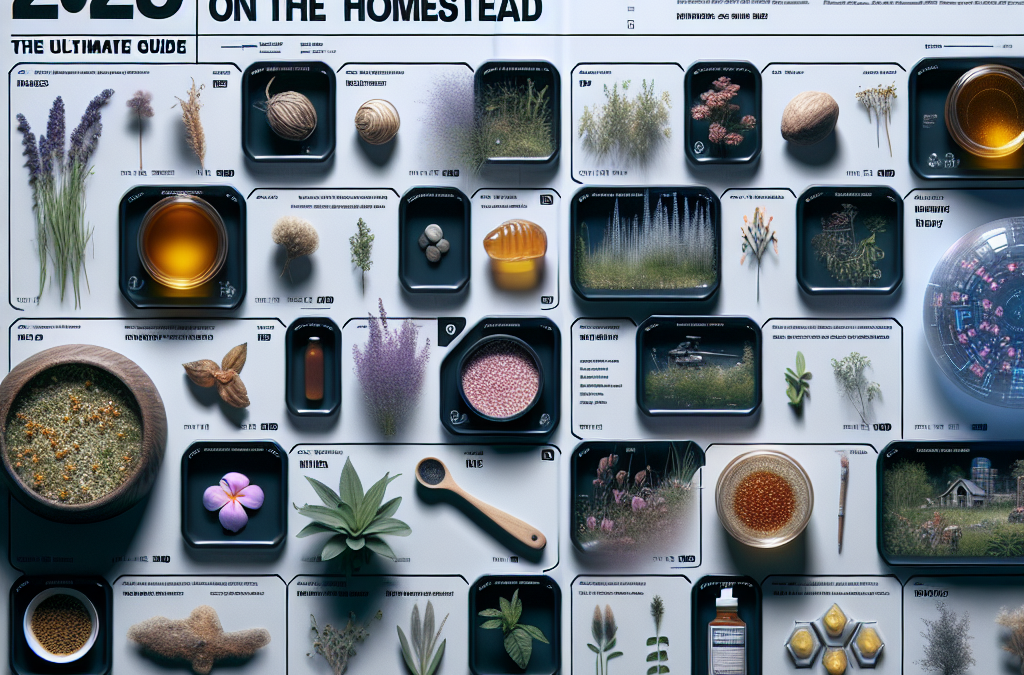
Herbal medicine in a homestead lifestyle focuses on utilizing plants for health benefits, emphasizing the cultivation and preparation of natural remedies. Key herbs such as echinacea, chamomile, and peppermint can be grown in home gardens, providing easy access to their medicinal properties. To effectively prepare herbal remedies, methods like infusions and tinctures are essential, allowing for the extraction of beneficial compounds. Homesteaders should be cautious of misidentifying plants and ensure proper preparation techniques to maximize their effectiveness.
Understanding Herbal Medicine
Herbal medicine in homestead lifestyle is a practice rooted in the use of plants to promote health and treat ailments. This traditional approach has gained popularity among homesteaders seeking self-sufficiency and natural remedies. By integrating herbal medicine into daily life, individuals can harness the healing properties of their cultivated plants, enhancing both physical and emotional well-being.
Understanding herbal medicine involves recognizing the specific properties of various plants, such as their active compounds and potential effects on the body. For instance, many herbs can serve as anti-inflammatory agents, digestive aids, or immune boosters. By cultivating a deeper knowledge of these plants, homesteaders can make informed decisions about their use and avoid common pitfalls, such as misidentification or improper preparation.
Key Herbs for Homesteading
Several herbs are particularly beneficial for those living a homestead lifestyle. Popular choices include echinacea, known for its immune-boosting properties; chamomile, which aids in digestion and relaxation; and peppermint, often used for its soothing effects on the stomach. Each of these herbs can be easily grown in a home garden, making them accessible for daily use.
When selecting herbs, consider their growing conditions, ease of maintenance, and intended uses. For example, echinacea thrives in well-drained soil and full sun, while chamomile prefers a slightly cooler climate. Understanding the specific requirements of each herb ensures successful cultivation and maximizes their medicinal potential.
Preparation Methods
Preparation methods for herbal medicine vary widely, ranging from simple infusions to complex tinctures. An infusion is one of the easiest methods, involving steeping herbs in hot water to extract beneficial compounds. This method is particularly effective for delicate plants like chamomile and peppermint.
Tinctures, on the other hand, require a more involved process, typically using alcohol to extract the active ingredients from tougher plant materials. This method allows for longer shelf life and more concentrated extracts. Understanding the appropriate preparation method for each herb is crucial, as improper techniques can diminish their effectiveness or alter their properties.
Practical Applications
Incorporating herbal medicine into a homestead lifestyle offers numerous practical applications. Herbal remedies can address common ailments such as colds, digestive issues, and stress. For instance, a chamomile tea can promote relaxation and improve sleep quality, while echinacea can help support the immune system during flu season.
It’s essential to approach herbal medicine with care, as not all herbs are suitable for everyone, and some may interact with medications. Conducting thorough research and consulting with knowledgeable sources can help ensure safe and effective use of herbal remedies. Additionally, maintaining a well-stocked herbal cabinet with dried herbs and prepared tinctures allows for quick access to remedies when needed.
Frequently Asked Questions
What is herbal medicine?
Herbal medicine involves using plants for medicinal purposes, focusing on their healing properties and applications in treating various health issues.
How can I start using herbal medicine?
Begin by researching common herbs, growing them in your garden, and learning about their preparation methods, such as teas and tinctures.
Are there risks associated with herbal medicine?
Yes, some herbs can interact with medications or cause allergic reactions, so it’s important to research and consult with a healthcare professional before use.
What are some common herbs for beginners?
Popular beginner herbs include chamomile, peppermint, and echinacea, as they are easy to grow and have well-documented benefits.
How do I store herbal remedies?
Store dried herbs and tinctures in a cool, dark place in airtight containers to maintain their potency and shelf life.
Conclusion
Integrating herbal medicine into a homestead lifestyle not only promotes self-sufficiency but also enhances overall health and well-being. By cultivating key herbs, mastering preparation methods, and applying this knowledge to everyday health issues, homesteaders can create a sustainable approach to wellness. Prioritizing research and safe practices ensures that the benefits of herbal remedies are maximized while minimizing potential risks. As you explore this enriching journey, remember to remain curious and open to learning from both your successes and challenges.