
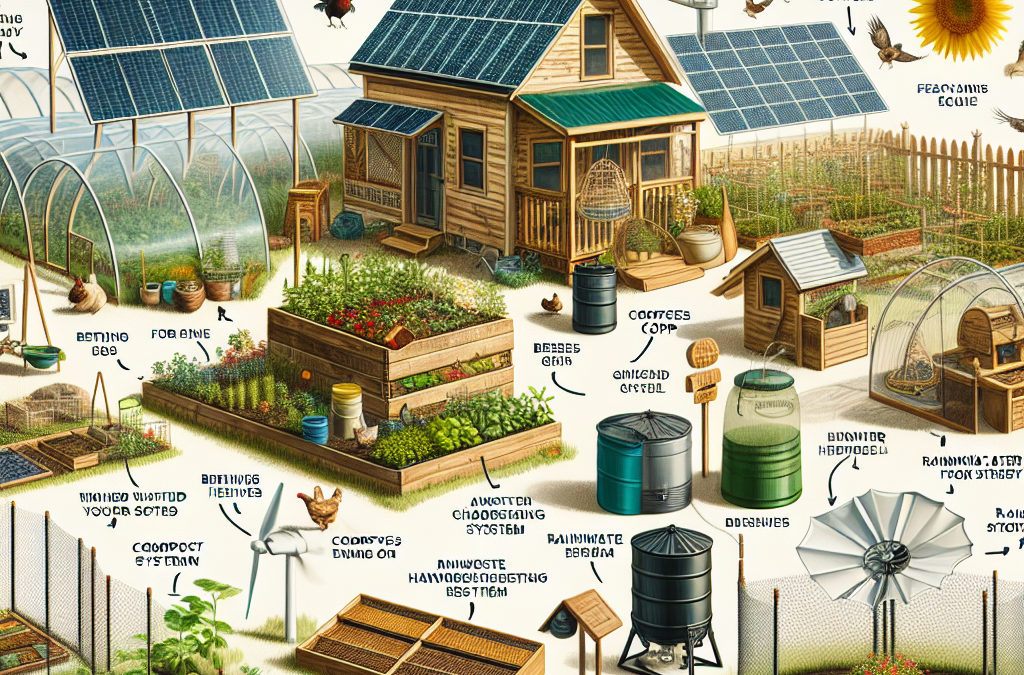
Incorporating homesteading into daily routines not only benefits personal health but also fosters a connection with nature. Many people find that engaging in activities like gardening or caring for animals can be therapeutic, contributing to mental well-being. However, it’s crucial to recognize the time and effort required to maintain a homestead effectively. Overcommitting can lead to burnout, so it’s essential to start small and gradually build up your homesteading activities.
Common mistakes include underestimating the resources needed for successful homesteading or neglecting the importance of planning and education. It’s vital to prioritize learning about local growing conditions, seasonal crops, and animal care to ensure a productive and fulfilling homesteading experience.
Key Elements of Daily Homesteading
Daily homesteading emphasizes self-sufficiency through various activities. These include gardening, food preservation, and livestock management. Engaging in these practices not only provides fresh produce and meats but also reduces reliance on commercial food systems.
By cultivating a garden, individuals can grow seasonal vegetables and fruits, which are often more nutritious than store-bought options. Additionally, preserving food through canning or freezing maximizes the benefits of harvests. However, it’s crucial to plan your garden layout and choose the right crops to avoid waste and maximize yield.
Many novice homesteaders overlook the importance of soil health and crop rotation. Focusing on these factors can significantly enhance production and sustainability in the long run. Prioritizing organic practices, such as composting and natural pest control, further contributes to a thriving homestead.
Environmental Benefits of Homesteading
Homesteading plays a crucial role in promoting environmental sustainability. By reducing the need for transportation and packaging associated with store-bought goods, homesteaders can significantly lower their carbon footprint.
Practices like permaculture and regenerative agriculture not only enrich the soil but also enhance biodiversity. These methods encourage a balanced ecosystem that can yield food while preserving natural habitats. However, it’s essential to understand local environmental regulations and practices to avoid unintentional harm to the ecosystem.
One common pitfall is neglecting water conservation techniques. Implementing rainwater harvesting and efficient irrigation systems can help conserve water resources, which is particularly important in areas subject to drought. Prioritizing these eco-friendly practices can amplify the positive impact of homesteading on the environment.
Common Mistakes to Avoid
Many aspiring homesteaders fall into traps that limit their success. One significant mistake is failing to research local climate conditions, which can affect crop viability and livestock care.
Another frequent error is overcommitting to projects without proper planning. Starting with too many activities can lead to frustration and burnout. It’s advisable to set realistic goals and gradually expand your homesteading efforts as you gain experience.

Additionally, ignoring the importance of community can be detrimental. Engaging with local homesteading groups or online forums can provide valuable insights and support. Building a network can help navigate challenges and share resources effectively.
Practical Steps to Start Homesteading
To embark on a homesteading journey, begin with small, manageable projects. Start a container garden if space is limited, or focus on growing herbs that can thrive indoors.
Incorporate food preservation techniques, such as pickling or fermenting, to extend the shelf life of seasonal produce. Learning these skills not only reduces waste but also enhances your culinary repertoire.
Consider adopting a few chickens for eggs or a small rabbitry for meat. These small additions can significantly contribute to your food supply. Prioritize animal welfare and local regulations when considering livestock to ensure a successful integration into your homestead.
Further Reading
For those interested in expanding their knowledge about homesteading and sustainable practices, consider exploring local workshops, online courses, and books dedicated to these subjects. Resources like community gardens and local agricultural extension offices can also provide valuable support and information.
Further Reading
Authoritative Sources
- MedlinePlus
medlineplus.govConsumer-friendly medical and health information from the U.S. National Library of Medicine.
- National Institutes of Health
nih.govResearch-based health information and links to authoritative medical resources.
- Centers for Disease Control and Prevention
cdc.govOfficial public health guidance, prevention resources, and topic-specific recommendations.
- Mayo Clinic
mayoclinic.orgTrusted clinical guidance, symptom explainers, and treatment overviews.
- World Health Organization
who.intGlobal health guidance, fact sheets, and evidence-based public health information.
Frequently Asked Questions
What are the first steps to start homesteading?
Begin by researching your local climate and soil conditions, then start small by growing easy crops or herbs.
How can homesteading improve my physical health?
Engaging in physical activities like gardening can enhance fitness levels, while consuming fresh produce boosts nutrition.
What common mistakes should I avoid in homesteading?
Avoid overcommitting to projects and neglecting research on local climate conditions, which can hinder success.
How does homesteading benefit the environment?
Homesteading reduces reliance on commercial food systems, lowers carbon footprints, and promotes biodiversity through sustainable practices.
Can I homestead in an urban environment?
Yes, urban homesteading is possible through container gardens, rooftop gardens, and community gardening initiatives.
Conclusion
Healthy living through homesteading daily is a rewarding journey that fosters self-sufficiency and environmental stewardship. By starting small and focusing on essential practices, individuals can enhance their well-being and contribute positively to the planet. Prioritize learning and community engagement to avoid common pitfalls and maximize the benefits of your homesteading efforts. Embrace the journey, and let your passion for sustainability guide your daily practices.


