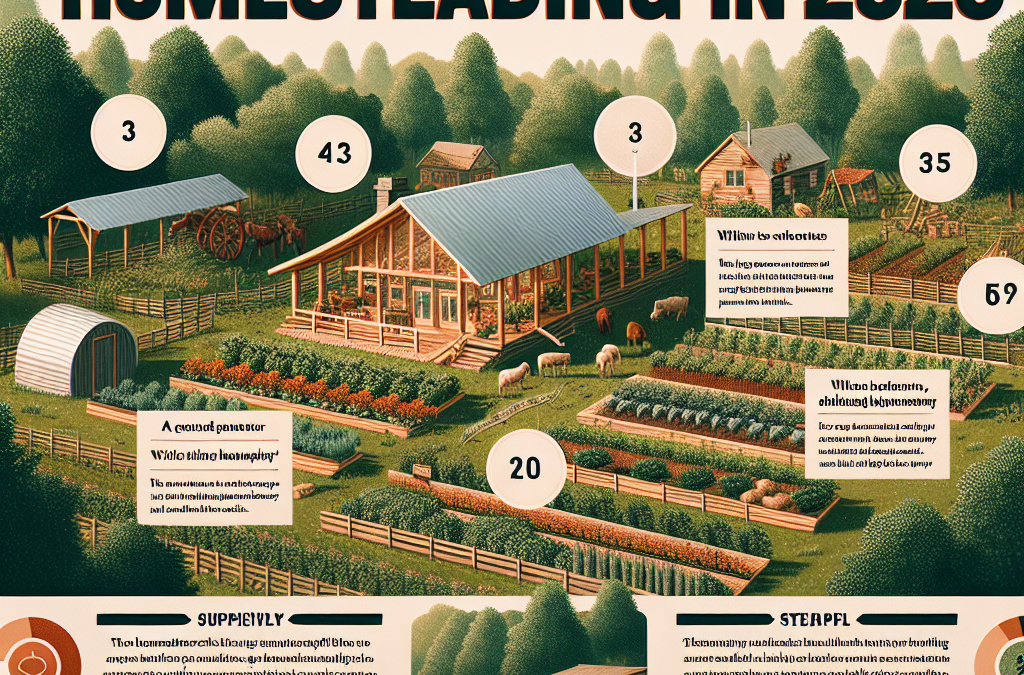
One of the primary elements of effective future planning is understanding the local environment and how it impacts food production and resource availability. Families need to assess their land, climate, and available water sources to optimize their agricultural practices. Common pitfalls include underestimating the impact of seasonal changes or failing to diversify crops, which can lead to food shortages during adverse conditions.
Additionally, financial sustainability is crucial for long-term success. Homestead families should create a budget that includes initial investments in infrastructure, ongoing operational costs, and emergency funds. Many families overlook the importance of a financial safety net, which can lead to significant challenges in times of unexpected expenses or market fluctuations.
Understanding Local Resources
Understanding local resources is fundamental for homestead families planning for the future. This includes assessing soil quality, water availability, and the types of crops that can thrive in the given climate. Families often underestimate the importance of these factors, leading to poor crop yields and resource depletion.
Conducting a thorough analysis of the land can reveal its strengths and weaknesses. For example, families might discover that certain areas of their property are more suitable for gardening than others due to sunlight exposure or soil composition. Prioritizing crop rotation and diversifying plant varieties can mitigate risks associated with pests and diseases.
To further enhance resource management, families should consider investing in soil amendments and organic fertilizers. These improvements not only boost crop production but also contribute to the long-term health of the ecosystem. Additionally, establishing a rainwater collection system can provide a sustainable water source, particularly in areas prone to drought.
Financial Planning for Homesteads
Financial planning is a critical component of future planning for homestead families. It involves creating a budget that accounts for initial setup costs, maintenance, and unexpected expenses. Many families fail to allocate enough resources for emergencies, which can jeopardize their homesteading efforts.
A detailed budget should include costs for infrastructure, such as building shelters, fencing, and water systems, as well as ongoing expenses like seeds, tools, and livestock care. Setting aside a portion of income for savings can help families navigate financial challenges without sacrificing their homestead goals.
Moreover, families should explore various income streams, such as selling surplus produce, offering workshops, or engaging in local markets. Diversifying income sources can provide financial stability and reduce reliance on a single revenue stream, which is especially important during economic downturns.
Sustainable Agriculture Practices
Implementing sustainable agriculture practices is vital for the longevity of homestead families. This approach not only conserves resources but also enhances food security and environmental health. Families should focus on methods such as permaculture, organic farming, and agroecology.
Permaculture emphasizes designing agricultural systems that mimic natural ecosystems, promoting biodiversity and resilience. Organic farming avoids synthetic chemicals, relying instead on natural fertilizers and pest management techniques. These practices can improve soil health and reduce environmental impact.

Additionally, families should be aware of the trade-offs between different farming methods. While organic practices may require more initial investment in time and resources, they can yield long-term benefits in soil health and crop resilience. Prioritizing education and continuous learning in sustainable practices can lead to better decision-making and improved outcomes.
Community Engagement and Support
Building a strong community network is essential for homestead families. Engaging with local groups can provide valuable resources, knowledge sharing, and emotional support. Many families overlook this aspect, which can lead to isolation and missed opportunities for collaboration.
Participating in local farming cooperatives, workshops, or community gardens can foster connections with like-minded individuals. These interactions can lead to shared resources, such as tools or labor, and offer insights into successful practices. Additionally, families can benefit from pooling knowledge on local regulations and market opportunities.
Furthermore, forming partnerships with local businesses can create opportunities for selling products or offering services. By engaging with the community, families can enhance their homesteading efforts and build a supportive environment that fosters resilience and growth.
Further Reading
For those interested in deepening their understanding of future planning for homestead families, consider exploring resources from agricultural extension offices or local universities. These entities often provide valuable information on sustainable farming practices and financial planning for homesteaders.
Further Reading
Authoritative Sources
- Ready.gov
ready.govOfficial U.S. preparedness guidance, checklists, and planning resources for households and emergencies.
- FEMA
fema.govFederal emergency management resources, disaster planning information, and recovery guidance.
- American Red Cross Emergency Preparedness
redcross.orgPractical emergency preparation steps, supply lists, and safety guidance for families.
- National Weather Service
weather.govOfficial forecasts, hazard alerts, and weather safety information.
- CDC Emergency Preparedness and Response
cdc.govPublic health guidance for emergencies, disasters, and recovery situations.
Frequently Asked Questions
What are the key components of future planning for homestead families?
Key components include resource management, financial sustainability, and sustainable agricultural practices.
How can homestead families ensure financial stability?
By creating a detailed budget, setting up emergency funds, and diversifying income streams.
What sustainable practices can be adopted in homesteading?
Practices such as permaculture, organic farming, and crop rotation enhance sustainability and resilience.
Why is community engagement important for homesteaders?
It provides support, resources, and opportunities for collaboration, enhancing resilience.
How can families assess their local resources effectively?
By analyzing soil quality, water availability, and climate suitability for crops.
Conclusion
Future planning for homestead families is a multifaceted approach that requires careful consideration of resources, finances, and sustainable practices. Families should prioritize understanding their local environment, developing a solid financial plan, and engaging with their community. By focusing on these areas, homesteaders can build resilient and sustainable lifestyles that thrive in the face of challenges. Taking proactive steps today will pave the way for a successful and self-sufficient future.