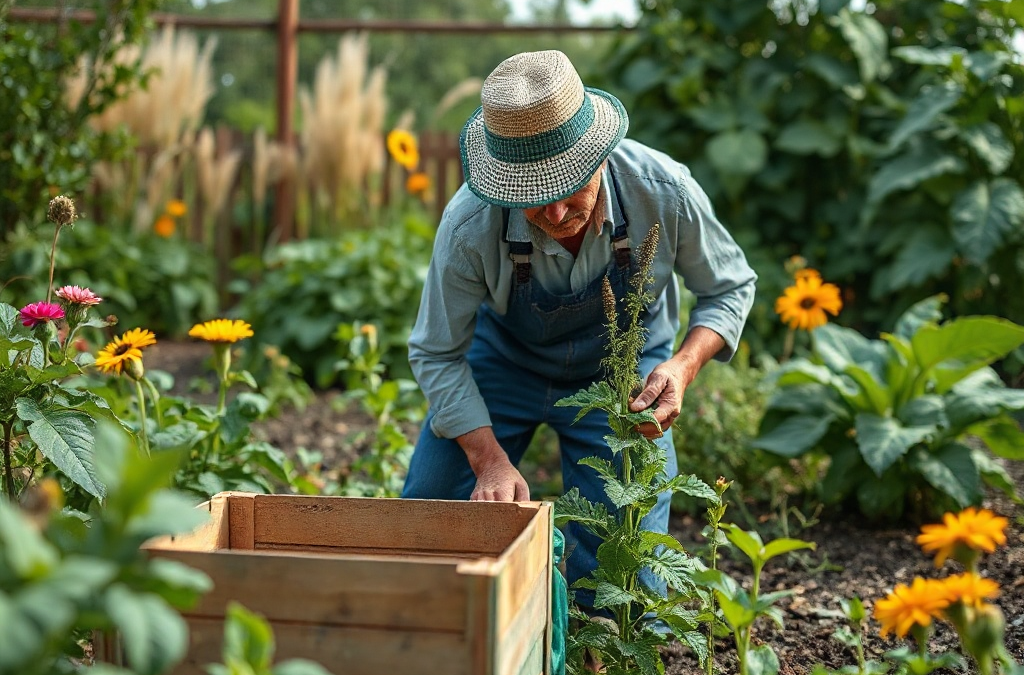
Effective pest management for homestead gardens requires a proactive approach that combines natural solutions, cultural practices, and integrated pest management strategies. Introducing beneficial insects like ladybugs can help control harmful pests, while companion planting with flowers such as marigolds can deter unwanted insects. Regular monitoring of your plants is essential; early detection of pests allows for timely intervention, preventing infestations from escalating. Additionally, employing organic pesticides made from natural ingredients ensures that beneficial organisms remain unharmed, fostering a healthy garden ecosystem. By integrating these methods, you can maintain a thriving garden while minimizing pest-related damage.
Understanding Pest Management in Gardens
Effective pest management for homestead gardens is essential for maintaining healthy crops and maximizing yield. This process involves identifying pests, understanding their life cycles, and determining the best strategies for control. Pests can cause significant damage to plants, affecting their growth and productivity. Therefore, recognizing the signs of pest infestation early can help mitigate potential losses.
Many homesteaders often overlook the importance of preventive measures, focusing instead on reactive solutions. This oversight can lead to more severe infestations and greater damage to crops. Effective pest management emphasizes a proactive approach that combines various methods to create a balanced ecosystem within your garden.
Natural Solutions for Pest Control
Natural solutions for pest control are increasingly popular among homesteaders looking to maintain an organic garden. These methods are not only environmentally friendly but also promote biodiversity. One effective natural solution is introducing beneficial insects, such as ladybugs and lacewings, which prey on common garden pests like aphids and spider mites.
Another approach is the use of companion planting. Certain plants can deter pests, while others can attract beneficial insects. For example, planting marigolds alongside vegetables can repel nematodes and other harmful insects. Additionally, using organic pesticides made from natural ingredients, such as neem oil or insecticidal soap, can help control pest populations without harming beneficial organisms.
Regularly inspecting plants for signs of pests and diseases is vital. Early detection allows for prompt action, which can prevent the spread of infestations. Maintaining a clean garden environment by removing debris and dead plants can also reduce pest habitats.
Cultural Practices to Mitigate Pests
Cultural practices play a significant role in pest management strategies for homestead gardens. These practices involve modifying the growing environment to make it less conducive to pest infestations. Crop rotation is a key cultural practice that disrupts pest life cycles by changing the types of plants grown in specific areas each season.
Another effective method is proper spacing between plants. Overcrowding can create a humid environment that encourages pests and diseases. Ensuring adequate air circulation helps plants dry out more quickly and reduces the likelihood of fungal infections. Furthermore, maintaining healthy soil through regular amendments and organic matter can improve plant resilience against pests.
Mulching is another cultural practice that can deter pests. Organic mulches, such as straw or wood chips, can create a barrier against pests and help retain soil moisture, promoting healthier plants. Lastly, timing your planting to avoid peak pest seasons can significantly reduce the likelihood of infestations.
Integrated Pest Management Techniques
Integrated pest management (IPM) is a comprehensive approach that combines multiple strategies to control pests effectively while minimizing harm to the environment. This method includes monitoring pest populations, setting action thresholds, and employing a mix of biological, cultural, and chemical control methods.
Monitoring involves regularly checking plants for signs of pests and assessing their populations. Setting action thresholds helps determine when control measures are necessary based on the level of damage or infestation. For instance, if a certain percentage of plants show signs of pest damage, it may be time to implement control measures.

IPM also emphasizes the use of pesticides as a last resort. When chemical controls are necessary, selecting targeted products that minimize harm to beneficial insects and the environment is crucial. Proper application techniques and timing can further enhance their effectiveness while reducing potential risks.
Frequently Asked Questions
What are the most common pests in homestead gardens?
Common pests include aphids, spider mites, caterpillars, and beetles. Regular monitoring can help identify and manage these pests early.
How can I naturally deter pests in my garden?
Planting companion plants, using beneficial insects, and applying natural repellents like neem oil can effectively deter pests.
Is it safe to use chemical pesticides in a homestead garden?
While chemical pesticides can be effective, they should be used as a last resort and chosen carefully to minimize harm to beneficial insects and the environment.
What role does soil health play in pest management?
Healthy soil promotes robust plant growth, making them more resistant to pests and diseases. Regular amendments and organic matter help maintain soil health.
How often should I inspect my garden for pests?
Regular inspections should be conducted at least once a week, especially during peak growing seasons, to catch any pest issues early.
Conclusion
Effective pest management for homestead gardens requires a multifaceted approach that integrates natural solutions, cultural practices, and integrated pest management techniques. Prioritizing early detection and employing diverse strategies can significantly reduce pest populations while promoting a healthy garden ecosystem. Homesteaders should remain vigilant and proactive, adapting their strategies based on the specific challenges their gardens face. By fostering a balanced environment, you can enjoy a thriving garden with minimal pest interference.
Additional Resources
Authoritative Sources
- EPA Safe Pest Control
epa.govOfficial information for safer pest-management decisions.