
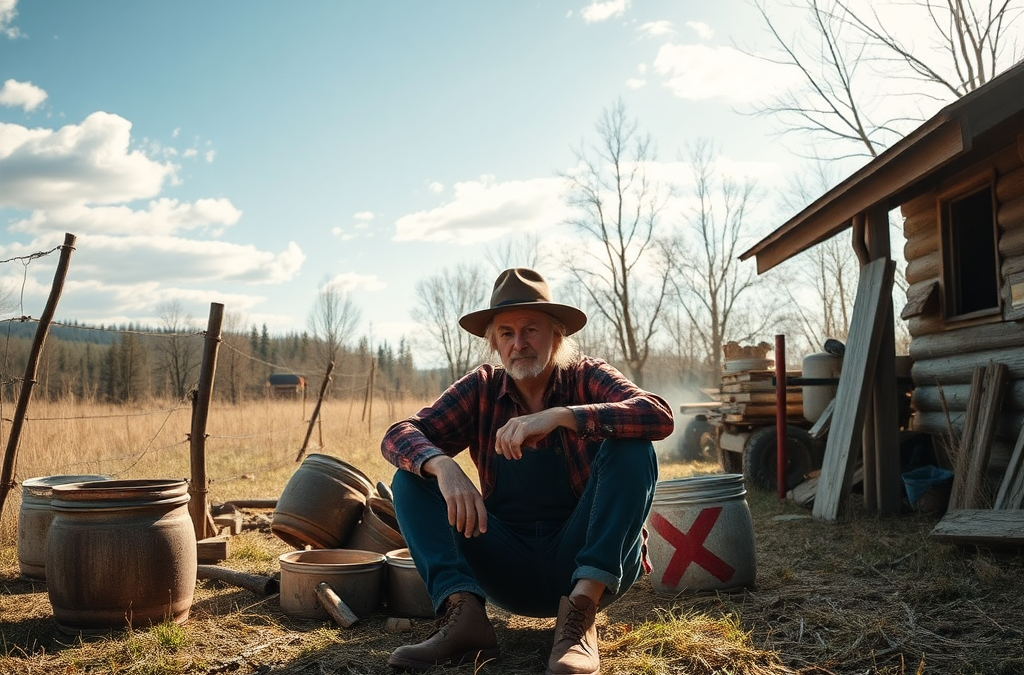
Dealing with burnout as a homesteader requires recognizing the symptoms, such as exhaustion and lack of motivation, and implementing recovery steps like setting realistic goals and taking breaks. Prioritizing self-care and establishing boundaries can significantly improve mental health and restore passion for homesteading tasks. Understanding the causes of burnout, such as overwhelming responsibilities and isolation, is essential for creating effective solutions.
Symptoms of Burnout
Burnout manifests through various symptoms that can significantly affect a homesteader’s productivity and well-being. Common signs include chronic fatigue, irritability, decreased motivation, and feelings of hopelessness. Physical symptoms may also emerge, such as headaches, sleep disturbances, and gastrointestinal issues. Recognizing these symptoms early is crucial because prolonged burnout can lead to more severe mental health issues, such as anxiety or depression.
For example, if a homesteader finds that they dread daily tasks like tending to animals or maintaining the garden, it may indicate burnout. Ignoring these feelings can result in neglecting responsibilities, further exacerbating the situation. Therefore, being attuned to one’s emotional and physical health is essential for effective management.
Causes of Burnout in Homesteading
Several factors contribute to burnout among homesteaders. One significant cause is the overwhelming nature of responsibilities. Homesteading often requires managing various tasks, from crop cultivation to animal care, which can accumulate and lead to stress. Additionally, the isolation that can accompany rural living may exacerbate feelings of loneliness, further contributing to burnout.
Another factor is unrealistic expectations. Homesteaders may set high standards for themselves, believing they must achieve perfection in every aspect of their lifestyle. This pressure can lead to feelings of inadequacy when they inevitably fall short, creating a cycle of stress and dissatisfaction.
For instance, a homesteader may feel compelled to produce all their food organically and sustainably, which, while admirable, can be an overwhelming goal. Acknowledging these causes is the first step in addressing burnout effectively.
Recovery Strategies for Homesteaders
Recovering from burnout involves implementing several strategies aimed at restoring balance and motivation. First, setting realistic and attainable goals can alleviate pressure. Instead of aiming for perfection, homesteaders should focus on gradual improvements and celebrate small victories.
Taking regular breaks is also vital. This could mean stepping away from daily tasks for a few hours or even a full day to recharge. Engaging in enjoyable activities outside of homesteading, such as visiting friends or pursuing hobbies, can provide a much-needed mental reset.
Additionally, seeking support from fellow homesteaders or joining local groups can combat feelings of isolation. Sharing experiences and challenges with others in the same lifestyle can foster a sense of community and reduce the burden of feeling alone in one’s struggles.
Preventing Burnout in the Future
Preventing burnout requires ongoing attention and proactive measures. Establishing clear boundaries is essential; homesteaders should learn to say no to tasks that exceed their capacity. Time management techniques, such as prioritizing tasks and creating schedules, can help maintain a healthy balance between work and personal life.
Regular self-care practices should also be a priority. This includes physical activities, mindfulness exercises, and ensuring adequate rest. By prioritizing self-care, homesteaders can build resilience against the stresses of their lifestyle.

Ultimately, understanding that burnout can happen to anyone, regardless of their passion for homesteading, is crucial. By being proactive and addressing the symptoms and causes, homesteaders can enjoy a fulfilling and sustainable lifestyle without succumbing to burnout.
Frequently Asked Questions
What are the signs of burnout in homesteaders?
Signs of burnout include chronic fatigue, irritability, lack of motivation, and physical symptoms like headaches and sleep disturbances.
How can I recover from burnout?
Recovery involves setting realistic goals, taking regular breaks, and seeking support from fellow homesteaders or community groups.
What causes burnout in homesteading?
Causes include overwhelming responsibilities, isolation, and unrealistic expectations regarding homesteading tasks and goals.
How can I prevent burnout in the future?
Prevent burnout by setting clear boundaries, managing time effectively, and prioritizing self-care practices.
Is burnout common among homesteaders?
Yes, burnout is common among homesteaders due to the demanding nature of the lifestyle and the pressures of self-sustainability.

