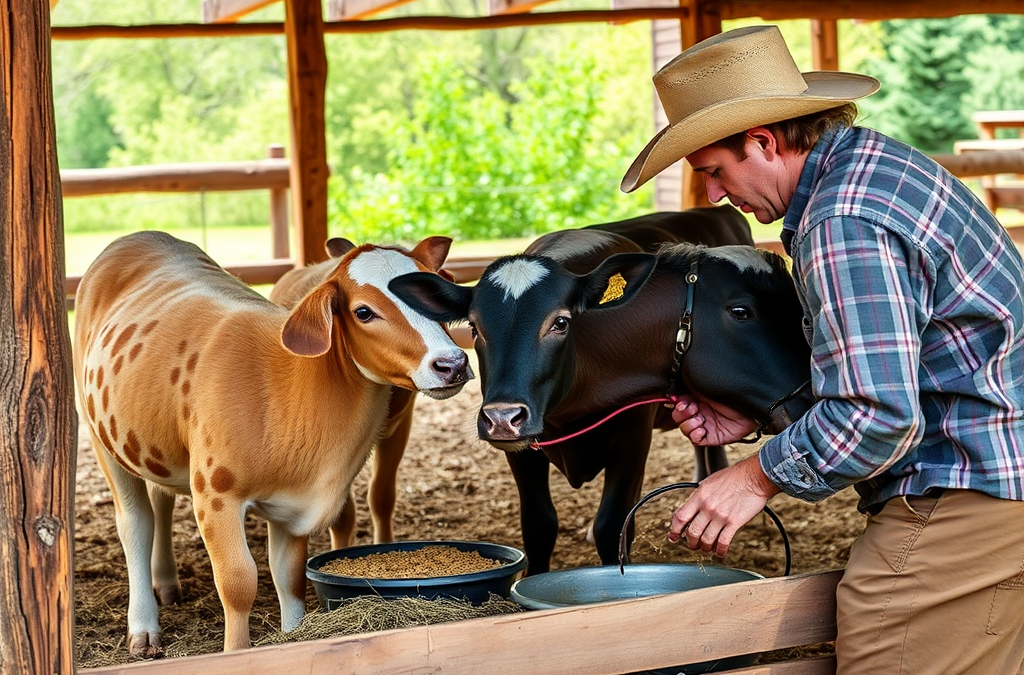
Daily animal care homestead routines involve a systematic approach to ensure the health and productivity of your livestock. Begin each day with a consistent feeding schedule tailored to the specific dietary needs of each animal type, as this promotes better digestion and overall well-being. Regularly check water supplies to ensure they are clean and accessible, and don’t overlook the importance of daily health inspections to catch any signs of illness early. Keeping living areas clean is also essential, as it helps prevent disease and maintains a healthy environment. By adhering to these routines, you can enhance animal welfare and improve the efficiency of your homestead operations.
Feeding Routines
Establishing a consistent feeding routine is vital for animal health and farm productivity. Animals thrive on regular schedules, which aids in their digestion and overall well-being. When planning your feeding regimen, consider the specific dietary needs of each animal type, including the right balance of nutrients and any supplements needed.
For example, ruminants like cows require a diet high in fiber, while pigs benefit from protein-rich feeds. Monitoring feed intake can help identify potential health issues early, as a sudden drop in consumption may signal illness or stress. Additionally, always ensure that feed is stored properly to prevent spoilage and contamination.
Water Management
Water is essential for the health of all livestock, and proper management is crucial. Ensure that clean, fresh water is available at all times. Regularly check water troughs and automatic waterers for cleanliness and functionality. In colder months, consider using heated waterers to prevent freezing, which can lead to dehydration.
In addition to providing adequate quantities of water, understanding the specific needs of your animals is important. For instance, lactating animals may require more hydration, especially in hot weather. Keeping detailed records of water consumption can also help identify potential health issues, as changes in drinking habits might indicate underlying problems.
Health Checks
Regular health checks are a cornerstone of effective animal care routines. Perform daily inspections of each animal to assess their overall condition and behavior. Look for signs of distress, illness, or injury, such as changes in appetite, mobility, or social behavior. Early detection of health issues can significantly improve treatment outcomes.
In addition to visual inspections, consider implementing a vaccination and deworming schedule as part of your health management plan. Keeping thorough health records for each animal will help track immunizations and any treatments they receive, ensuring your livestock remains healthy and productive.
Cleaning and Maintenance
Maintaining clean living conditions is essential for preventing disease and promoting animal welfare. Regularly clean and disinfect feeding areas, water sources, and bedding to minimize the risk of infections and parasites. Establish a cleaning schedule that fits your farm’s needs, ensuring that all areas are addressed consistently.
In addition to routine cleaning, monitor for pests and take necessary actions to control infestations. For example, using natural deterrents and maintaining tidy surroundings can reduce the presence of rodents and insects that harbor diseases. A clean environment not only benefits animal health but also enhances the overall productivity of your homestead.
Frequently Asked Questions
What should I feed my homestead animals?
Feed should be tailored to each species, focusing on their nutritional needs, such as high fiber for ruminants and protein for pigs.
How often should I check my animals’ health?
Daily health checks are recommended to monitor for any signs of illness or distress.
What is the best way to manage water for my livestock?
Ensure clean, fresh water is available at all times and regularly check for functionality and cleanliness.
How do I maintain cleanliness in animal housing?
Regularly clean bedding, feeding areas, and water sources to minimize disease risk.
What are common signs of animal illness?
Common signs include changes in appetite, behavior, or mobility, as well as visible injuries or distress.
Conclusion
Establishing and adhering to daily animal care homestead routines is vital for the health and productivity of your livestock. By focusing on feeding, water management, health checks, and cleanliness, you can create a thriving homestead environment. Prioritize consistent routines and stay vigilant for any changes in your animals’ behavior or health to ensure long-term success on your farm.