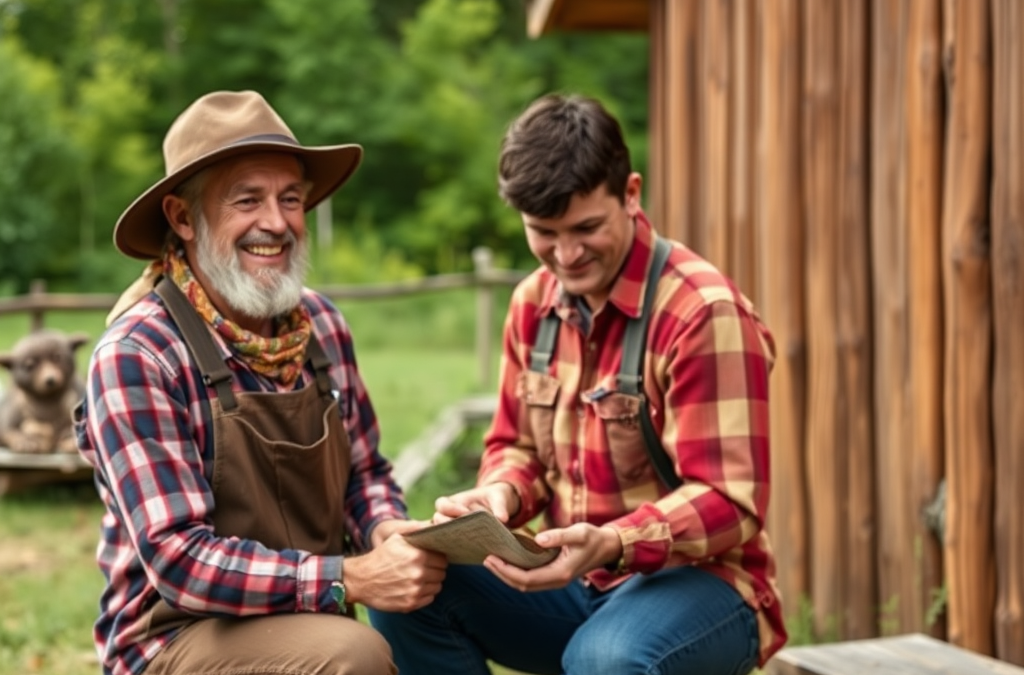
Creating a community support network for homesteaders involves establishing relationships with local farmers, joining online forums, and participating in community events to share resources and knowledge. This network provides emotional support, practical assistance, and a platform for exchanging ideas. By collaborating with others, homesteaders can overcome challenges, access shared tools, and enhance their skills, ultimately leading to a more sustainable and fulfilling lifestyle.
Understanding the Importance of Community Support
Creating a community support network for homesteaders is crucial for fostering resilience and sustainability in rural living. Such networks provide not only emotional support but also practical resources, knowledge sharing, and collaborative problem-solving opportunities. In a homesteading context, where challenges can arise from unpredictable weather, pest management, or resource availability, having a network can make a significant difference. This community can help individuals navigate these challenges by sharing insights, tools, and experiences that can lead to successful outcomes.
Moreover, community support networks encourage a sense of belonging and camaraderie among homesteaders. This social aspect is essential, as it can mitigate feelings of isolation that often accompany homesteading. Connecting with others who share similar values and goals creates an environment where individuals feel empowered to pursue their homesteading dreams.
Building Connections: Where to Start
The first step in creating a community support network is identifying potential connections in your local area. Start by reaching out to neighboring farmers and homesteaders. Visit farmers’ markets, local agricultural fairs, and community events where you can meet like-minded individuals. Building these relationships can lead to valuable exchanges of resources, knowledge, and support.
Another effective way to build connections is through local agricultural organizations or co-ops. Many regions have groups dedicated to supporting farmers and homesteaders, offering workshops, training, and networking opportunities. Joining these organizations can provide access to a broader community and additional resources that can enhance your homesteading experience.
Additionally, consider establishing a small group of homesteaders who meet regularly to discuss challenges, share successes, and exchange ideas. This group can become a trusted source of support and inspiration, fostering deeper connections and collaborative problem-solving.
Utilizing Online Platforms and Resources
In today’s digital age, online platforms are invaluable for connecting homesteaders across vast distances. Social media groups, forums, and websites dedicated to homesteading offer a wealth of information and support. Platforms like Facebook have numerous groups focused on specific aspects of homesteading, from gardening to livestock management. Joining these groups allows you to ask questions, share experiences, and learn from others’ successes and failures.
Websites such as Reddit have dedicated subreddits where homesteaders can engage in discussions and seek advice. These online communities can be particularly beneficial for those who may not have immediate access to local networks or resources. Engaging in these communities helps in building a sense of belonging and support, even from afar.
Moreover, many homesteading blogs and podcasts provide valuable insights and tips from experienced homesteaders. Following these resources can enhance your knowledge and connect you with a larger community of individuals who share similar interests.
Organizing Local Events and Workshops
Once you have established connections, consider organizing local events or workshops to further strengthen your community support network. Hosting gatherings, such as potlucks or skill-sharing sessions, encourages interaction and collaboration among homesteaders. These events provide an opportunity for individuals to showcase their skills, share their knowledge, and learn from one another.
Workshops can cover a variety of topics, such as canning, permaculture practices, or animal husbandry. By offering hands-on experiences, participants can gain practical skills while building relationships with fellow homesteaders. Additionally, these events can help to attract newcomers to the homesteading lifestyle, expanding your support network even further.

In addition to workshops, consider forming a community garden or cooperative where members can share resources and labor. This collaborative effort not only strengthens bonds but also enhances the overall productivity of the group.
Frequently Asked Questions
What are the benefits of a community support network for homesteaders?
A community support network provides emotional support, resource sharing, knowledge exchange, and collaborative problem-solving, enhancing resilience and sustainability.
How can I find local homesteaders?
Visit farmers’ markets, agricultural fairs, join local agricultural organizations, or use social media to connect with other homesteaders in your area.
What online platforms are best for connecting with homesteaders?
Facebook groups, Reddit subreddits, and dedicated homesteading websites are excellent platforms for connecting with fellow homesteaders and sharing resources.
How do I organize a local homesteading event?
Start by reaching out to your network, choose a relevant topic, and invite participants through social media or local community boards to foster engagement.
What should I include in a homesteading workshop?
Focus on hands-on activities that teach practical skills, such as gardening, food preservation, or animal care, and encourage participant interaction.
Conclusion
Creating a community support network for homesteaders is essential for fostering resilience and collaboration in sustainable living. By building connections with local farmers, utilizing online resources, and organizing events, homesteaders can enhance their skills and overcome challenges together. Prioritize establishing relationships and sharing knowledge, as these efforts will lead to a more fulfilling and successful homesteading experience.