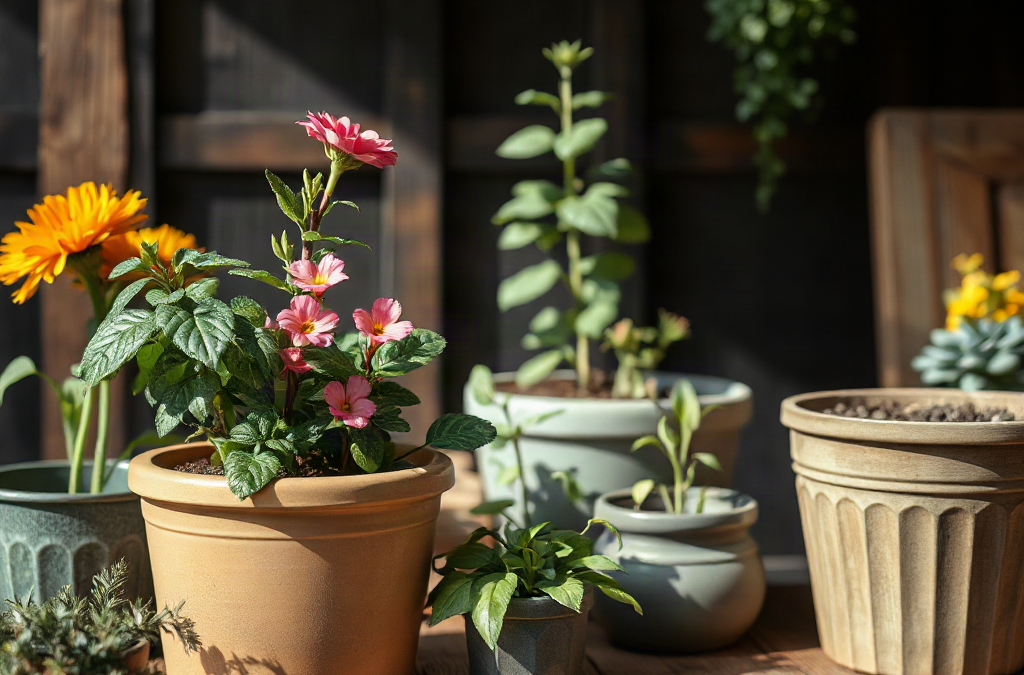
Container gardening for beginners with limited outdoor space works best when each plant is matched to adequate sunlight, container volume, drainage, and a consistent watering routine. Choose compact crops, use fresh potting mix rather than garden soil, and give roots enough depth to prevent rapid drying and stunted growth. A sunny balcony can support tomatoes, peppers, and herbs, while leafy greens tolerate fewer hours of direct light. Begin with two or three containers so moisture and pests remain manageable.
How Much Light, Space, and Weight Can the Site Handle?
A useful container garden begins with an honest site assessment rather than a plant shopping list. Watch the proposed growing area on a clear day and record when direct sunlight reaches it and when nearby buildings, railings, trees, or roof overhangs create shade. A south- or west-facing balcony may receive strong afternoon sun, while a narrow patio between buildings may stay bright without receiving much direct light. Those conditions support different crops.
Sun-loving fruiting plants, including tomatoes, peppers, cucumbers, and bush beans, generally perform best in the brightest available position. Lettuce, spinach, parsley, chives, mint, and some other leafy crops can remain productive with less direct sun, especially when temperatures are warm. Bright shade is not the same as deep shade, however. A plant that becomes thin, pale, and stretched toward the railing is signaling inadequate light rather than a fertilizer shortage.
Measure usable floor area as well as vertical clearance. A compact cucumber trained up a trellis occupies less floor space than vines allowed to trail, but its support must be secured against wind. Hanging baskets free the floor but dry quickly and can drip onto lower balconies. Railing planters need mounting hardware designed for the railing rather than improvised hooks that may shift under wet soil and wind.
Weight deserves special attention on balconies, decks, fire escapes, and elevated porches. Containers become substantially heavier after watering, and large ceramic or concrete pots add considerable empty weight. Do not guess whether a structure or railing can support a heavy installation. Check property rules, preserve required exits, and seek qualified building guidance if load capacity is uncertain. Lightweight resin pots and fabric grow bags reduce container weight, although the water and growing medium still count toward the total load.
Wind and reflected heat can be as limiting as sunlight. Upper-level balconies may expose foliage to drying wind, while brick walls and dark paving can radiate heat after sunset. Place delicate greens behind a solid container or wind-permeable screen, but avoid sealing plants into stagnant air. A successful location has enough light for the selected crop, safe support, access to water, and room to inspect every pot without moving the entire garden.
Which Containers Give Plants Enough Root Room?
Container size should be based on the mature root system, not the size of the seedling at purchase. A small transplant may look comfortable in a decorative pot for several weeks, then decline as roots fill the available volume. Restricted roots leave less potting mix to hold moisture and nutrients, so undersized containers require more frequent attention and produce less stable growing conditions.
Shallow-rooted lettuce, radishes, chives, and many annual herbs can grow in relatively shallow planters. Peppers, eggplants, cucumbers, and compact tomatoes need deeper, more generous containers. When choosing between two suitable sizes, the larger pot usually offers a wider margin for watering errors. The tradeoff is added cost, weight, and floor space, so one adequately sized pot is often a better choice than several cramped ones.
| Plant Type | Practical Container Starting Point | Space-Saving Approach |
|---|---|---|
| Leaf lettuce and radishes | A broad planter about 6–8 inches deep | Sow short rows and harvest young |
| Most culinary herbs | An 8–12-inch pot, adjusted for mature spread | Keep aggressive mint in its own pot |
| Peppers | About 3–5 gallons per plant | Choose a compact cultivar |
| Patio or dwarf tomatoes | About 5 gallons or more per plant | Add support when planting |
| Compact cucumbers | About 5 gallons with a trellis | Train vines upward |
Every outdoor container needs unobstructed drainage holes. A layer of stones at the bottom does not replace those holes and reduces the volume available to roots. Cover a large opening with a small piece of mesh if potting mix escapes, but do not seal it. Use a saucer where runoff must be controlled, then empty standing water so roots are not left saturated and mosquitoes do not gain a breeding site.
Material affects maintenance. Unglazed terra-cotta allows moisture to evaporate through its walls and may suit gardeners who tend to overwater, but it dries quickly in hot or windy locations. Plastic and glazed pots retain moisture longer. Fabric grow bags offer drainage and air exposure but may need frequent irrigation. Self-watering planters can reduce daily fluctuations once established, although their reservoirs still require monitoring and should not be treated as maintenance-free.
Wash reused containers and check them for cracks, blocked holes, and old roots before planting. Avoid containers that previously held chemicals or materials not intended for food-growing use. Decorative appearance matters in a small living area, but root volume, drainage, stability, and safe materials should make the final decision.
What Can You Grow in a Small Container Garden?
Productive small-space gardens favor crops with compact growth, repeated harvests, or high value in the kitchen. Leaf lettuce, arugula, chard, scallions, parsley, basil, thyme, and chives provide useful harvests without demanding a large footprint. Radishes mature quickly, while dwarf peppers, patio tomatoes, and bush beans can add fruiting crops where direct sunlight is adequate.
Cultivar descriptions matter more in containers than broad plant names. An indeterminate tomato may continue producing long vines that overwhelm a narrow balcony, whereas a dwarf or patio cultivar remains easier to support. A bush cucumber occupies less space than a vigorous vining type, though even compact cucumbers benefit from a short trellis. Look for words such as dwarf, patio, compact, bush, or container in seed and plant descriptions, then verify the expected mature height and spread.
A beginner planting three containers might use one five-gallon pot for a compact tomato, one broad planter for cut-and-come-again lettuce, and one medium pot for parsley and chives. That arrangement provides different harvest windows without creating an unmanageable watering burden. Basil could share space with another herb only if both have similar moisture and light needs; combining plants merely because they fit at planting time often leads to crowding later.
Avoid forcing too many seedlings into one pot. Crowded foliage restricts airflow, shades lower leaves, and makes it difficult to water the potting mix without wetting the plant repeatedly. Roots also compete for a limited reservoir of moisture and nutrients. Seed packets may list garden spacing rather than container arrangements, but mature spread remains a useful warning against overplanting.
Vertical growing expands production but does not eliminate physical limits. Trellises work well for peas, compact cucumbers, and some beans, yet they increase the profile exposed to wind and can cast shade on nearby pots. Position tall crops where they will not block the best light from shorter plants. Attach supports to the container or another approved stable structure before vines become heavy.
Prioritize plants you regularly eat and can harvest at peak quality. Sweet corn, sprawling winter squash, full-size pumpkins, and large melons are poor fits for most tiny balconies because they consume substantial root and canopy space for a limited harvest. Trying one demanding novelty can be enjoyable, but dependable herbs and greens offer a more forgiving foundation for a first season.
Build a Reliable Soil, Watering, and Feeding Routine
Container roots depend entirely on the growing medium and water supplied within the pot. Use a packaged potting mix formulated for containers rather than soil dug from a yard. Garden soil can compact in a pot, limiting the balance of air and moisture around roots. Potting mixes are lighter and typically contain ingredients designed to retain moisture while allowing excess water to drain.

Fill the pot without compressing the mix into a dense mass, and leave a small gap below the rim so water does not wash soil over the edge. After planting, water thoroughly until excess begins leaving the drainage holes. This settles the mix around roots and reveals whether the holes work. Add a little more mix if settling exposes roots, but keep the plant at the same depth it was growing previously unless its planting instructions indicate otherwise.
Do not water solely by the calendar. Insert a finger into the upper inch or two of mix, feel the pot’s weight, and observe the plant. Water when the surface layer has dried appropriately for the crop, applying enough to moisten the root zone rather than giving a daily splash. Small sips encourage roots to remain near the surface and may leave dry pockets deeper in the container. During hot or windy weather, small pots may need checking more than once a day; cool, cloudy conditions slow water loss.
Wilting does not automatically mean dryness. A plant in saturated mix can wilt because stressed roots are unable to function normally. Before adding water, check the medium and drainage holes. Consistently sour-smelling mix, algae, yellow lower leaves, or a pot that remains heavy for days can indicate excessive moisture. By contrast, mix pulling away from the container wall, crisp leaf edges, and a very light pot point toward severe drying.
Container nutrients eventually leave through plant uptake and drainage. If the potting mix contains starter fertilizer, note how long the label says it is intended to feed plants before adding more. After that period, use a fertilizer labeled for container vegetables or the specific plants being grown, following its directions rather than increasing the dose. Excess fertilizer can damage roots and create salt buildup; pale growth can also come from poor light, cold soil, or overwatering, so fertilizer is not a universal correction.
A simple routine keeps the workload realistic:
- Check moisture: Test the mix rather than relying on surface color alone.
- Inspect leaves: Look under foliage for pests, spotting, yellowing, or chewing.
- Water deeply when needed: Confirm that drainage is working.
- Harvest and prune: Remove mature produce and damaged tissue before it burdens the plant.
- Record changes: Note heat, feeding, and persistent symptoms before changing several things at once.
How Do You Solve Common Container Garden Problems?
Accurate troubleshooting begins at the roots and growing conditions before moving to pests or fertilizer. When a plant declines, check moisture several inches down, verify that water exits the pot, and consider recent weather. Changing fertilizer, watering frequency, and location simultaneously may hide the cause and add new stress.
If a container dries within hours, the plant may have outgrown it, the mix may have become difficult to rewet, or wind and sun may be accelerating evaporation. Water slowly in several passes so dry mix can absorb moisture. If roots circle densely around the root ball and growth stalls, move the plant to a larger pot when practical. Mulching the surface with a thin layer of clean organic material may slow evaporation, but keep mulch away from stems and continue checking moisture beneath it.
Yellow leaves require context. Older lower leaves may yellow naturally, while widespread yellowing in wet mix points toward root stress. Pale new growth in a well-drained pot may reflect nutrient limitations, but first confirm light exposure and the fertilizer history. Applying concentrated feed to a waterlogged or drought-stressed plant can worsen damage rather than correct it.
For aphids, whiteflies, caterpillars, and mites, inspect both leaf surfaces and stems. A small infestation can often be removed by hand, pruned out, or dislodged with water where runoff is manageable. Identify the pest before using any treatment, and choose products specifically labeled for the plant, pest, and intended edible use. Follow label directions, including harvest-related instructions. Broad, unnecessary spraying can affect beneficial insects visiting flowers.
Leaf spots and mildew often gain ground when foliage remains damp, plants are crowded, and air movement is poor. Water the potting mix rather than repeatedly wetting leaves, remove badly affected tissue, and provide spacing. Do not compost clearly diseased material unless the composting system is managed to handle it. Repeated disease on the same crop may justify choosing a resistant cultivar or growing a different plant next season.
Success is visible as steady new growth, roots that remain moist but not stagnant, and leaves suited to the plant’s normal color and shape. Failure signals include daily collapse despite watering, water that never drains, persistent pest growth, and flowers or fruit repeatedly dropping under heat or moisture stress. Retire a failing plant when recovery would consume scarce space needed by a healthier crop. In a limited garden, protecting the productive containers is often wiser than preserving every planting.
Frequently Asked Questions
Can I grow vegetables on a balcony that receives only morning sun?
Yes. Leaf lettuce, arugula, chard, parsley, chives, and radishes are more realistic than tomatoes or peppers when direct light is limited. Track actual sun exposure before selecting plants.
Can I use garden soil in outdoor containers?
Potting mix is the better choice because garden soil can become dense and poorly aerated inside a pot. Use a mix labeled for containers and confirm that water drains freely.
How often should container plants be watered?
Check them daily during active growth and more often during hot, windy weather, but water only when the root zone needs it. Pot size, crop, weather, and container material prevent one fixed schedule from working everywhere.
What is the easiest food crop for a first container garden?
Leaf lettuce, chives, parsley, and radishes are manageable starting choices. Select one that matches the available light and that you will actually use in the kitchen.
Should containers be placed directly on a deck or balcony floor?
Use stable pot feet or a suitable tray when moisture could stain or damage the surface, while keeping drainage holes open. Empty standing runoff and ensure the arrangement cannot tip or obstruct an exit.
Conclusion
A small container garden succeeds through good matching rather than maximum plant count. Record the site’s sunlight, account for wind and structural limits, and select compact crops that fit those conditions. Give each plant enough root volume, use free-draining potting mix, and keep drainage holes open.
Begin with two or three pots positioned within easy reach of water. Check moisture by touch and pot weight, inspect leaves regularly, and change one variable at a time when growth falters. Greens and herbs offer forgiving first harvests, while a compact tomato or pepper is worthwhile only where strong light and a larger container are available. After one growing cycle, retain the crops and container sizes that stayed manageable, then expand gradually instead of turning limited space into an overcrowded maintenance problem.