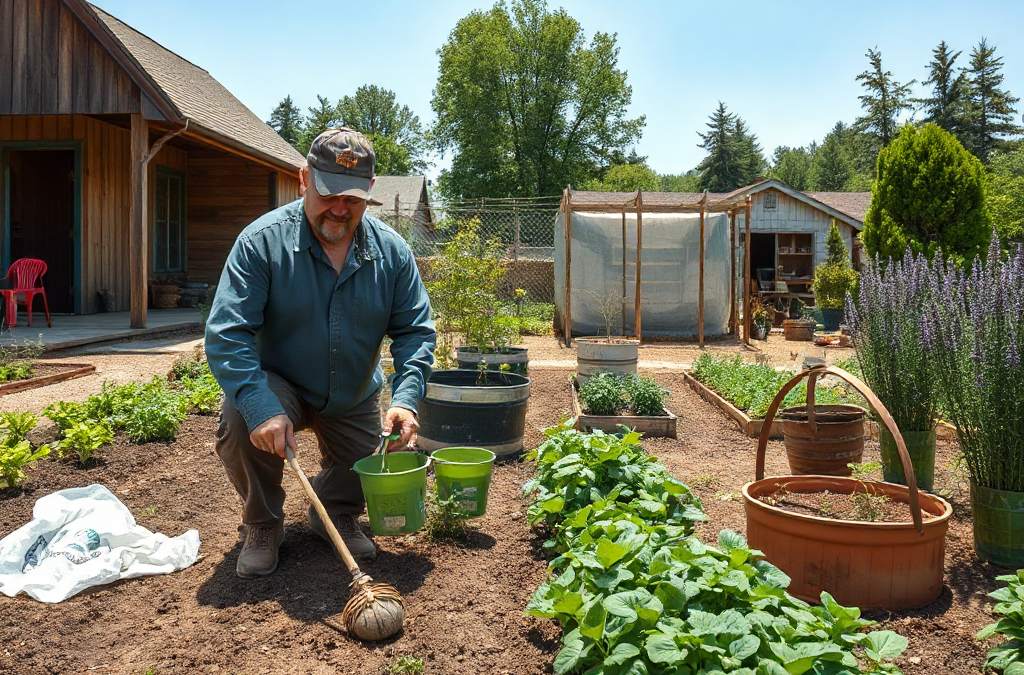
Common pitfalls in homestead gardening include overplanting, neglecting soil health, and poor pest management. Many new gardeners mistakenly assume that more plants equal more produce, leading to overcrowding and competition for nutrients. Additionally, failing to monitor soil quality can result in nutrient deficiencies. Lastly, ineffective pest control strategies can lead to infestations that threaten the entire garden. Understanding these pitfalls can help ensure a successful and fruitful gardening experience.
Overplanting: The Risks of Crowded Gardens
Overplanting is a common pitfall in homestead gardening that can lead to poor growth and reduced yields. Many novice gardeners believe that planting more seeds will yield more produce, but this often results in overcrowded conditions where plants compete for sunlight, water, and nutrients. When plants are too close together, they can become stunted, leading to lower quality crops.
To avoid overplanting, it’s essential to follow recommended spacing guidelines for each plant variety. For instance, tomatoes generally need about 18-24 inches of space between each plant to thrive. Additionally, using companion planting strategies can help maximize space without overcrowding. This involves planting compatible species that can benefit each other, such as planting basil alongside tomatoes to improve growth and flavor.
Moreover, regularly monitoring plant health is crucial. Signs of overcrowding include yellowing leaves, reduced growth rates, and increased susceptibility to diseases. By recognizing these signs early, gardeners can thin out plants as needed to ensure a healthier garden.
Neglecting Soil Health: Why It Matters
Soil health is the foundation of any successful garden, yet it is often overlooked by many homesteaders. Healthy soil is rich in organic matter, nutrients, and beneficial microorganisms that support plant growth. Neglecting soil health can lead to nutrient deficiencies, poor drainage, and increased susceptibility to pests and diseases.
To maintain soil health, gardeners should regularly test their soil for pH levels and nutrient content. Soil amendments, such as compost, can improve soil structure and fertility. Additionally, rotating crops each season can prevent nutrient depletion and reduce the risk of soil-borne diseases.
Understanding the importance of soil health also means recognizing the impact of chemicals. Overusing fertilizers and pesticides can degrade soil quality over time. Instead, consider organic alternatives and sustainable practices that promote long-term soil vitality.
Poor Pest Management: The Consequences
Effective pest management is critical for protecting your garden from infestations that can devastate crops. Many homesteaders fall into the trap of using chemical pesticides without understanding their long-term effects on the ecosystem. This can lead to resistance in pest populations and harm beneficial insects that help control pests naturally.
Integrating pest management strategies is essential for maintaining a balanced garden. This includes using physical barriers, like row covers, to protect plants from pests, and introducing beneficial insects, such as ladybugs, to control aphid populations. Regularly inspecting plants for signs of pests allows for early intervention, reducing the need for chemical treatments.
Additionally, maintaining healthy soil and diverse plantings can create a resilient garden ecosystem that naturally deters pests. For example, planting marigolds can repel nematodes and other harmful insects, providing a natural defense for your crops.
Ignoring Seasonal Changes: Timing is Key
Understanding seasonal changes is crucial for successful homestead gardening. Ignoring the timing of planting, harvesting, and crop rotation can lead to disappointing results. Each plant has specific seasonal requirements, and failing to adhere to these can result in poor growth or crop failure.
For instance, cool-season crops like lettuce and spinach should be planted in early spring or late summer, while warm-season crops like peppers and tomatoes thrive in the warmer months. Using a planting calendar can help keep track of planting and harvesting times, ensuring crops are grown in their optimal conditions.

Moreover, seasonal changes also affect pest populations and plant diseases. Recognizing when certain pests are most active can help gardeners take preventive measures, such as applying organic treatments or adjusting planting times to avoid peak pest seasons.
Frequently Asked Questions
What are some common mistakes in homestead gardening?
Common mistakes include overplanting, neglecting soil health, poor pest management, and ignoring seasonal changes.
How can I improve my soil health?
You can improve soil health by testing its pH, adding organic matter like compost, and practicing crop rotation.
What is companion planting?
Companion planting involves pairing plants that benefit each other, such as growing basil with tomatoes to enhance flavor and growth.
How do I manage pests naturally?
Natural pest management techniques include using physical barriers, introducing beneficial insects, and maintaining healthy soil.
When should I plant my garden?
Planting times vary by crop, but generally, cool-season crops should be planted in early spring or late summer, while warm-season crops thrive in warmer months.
Conclusion
Understanding and avoiding common pitfalls in homestead gardening is essential for creating a thriving garden. By being mindful of overplanting, prioritizing soil health, implementing effective pest management, and recognizing seasonal changes, gardeners can set themselves up for success. Taking proactive steps to address these issues will lead to healthier plants, increased yields, and a more enjoyable gardening experience. Start by evaluating your current practices and making adjustments where necessary to cultivate a flourishing homestead garden.
Additional Resources
Authoritative Sources
- EPA Safe Pest Control
epa.govOfficial information for safer pest-management decisions.