by Homesteading Lifestyle Editorial Team | Aug 31, 2026 | Homesteading
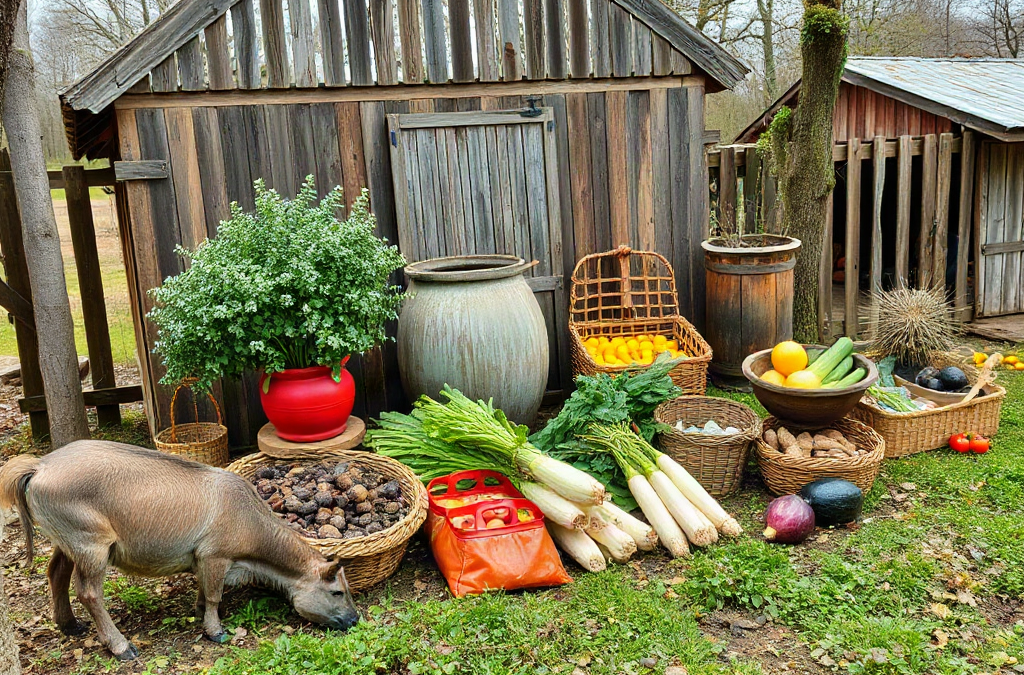
Monthly homestead routines and seasonal planning work best when each month has a short list of timed priorities for crops, animals, food storage, repairs, and records. Match tasks to local frost dates, weather patterns, daylight, and the condition of your soil, tools, buildings, and stored food rather than relying on a generic calendar.
by Homesteading Lifestyle Editorial Team | Aug 30, 2026 | Homesteading
Urban homesteading blogs with practical guidance are most useful when they connect small-space food production, household skills, and city-specific limits instead of presenting rural methods as universal solutions. Strong articles explain container depth, sunlight, water access, preservation steps, composting choices, and local rules in enough detail to support a real decision.
by Homesteading Lifestyle Editorial Team | Aug 30, 2026 | Homesteading
Starting homesteading without rural acreage means using a home, apartment, balcony, or shared community space to produce useful food, preserve supplies, reduce waste, and build household skills. Container vegetables, indoor herbs, sprouts, fermentation, seed saving, repair projects, and small-scale solar or water-saving habits can provide meaningful practice without owning land.
by Homesteading Lifestyle Editorial Team | Aug 30, 2026 | Homesteading
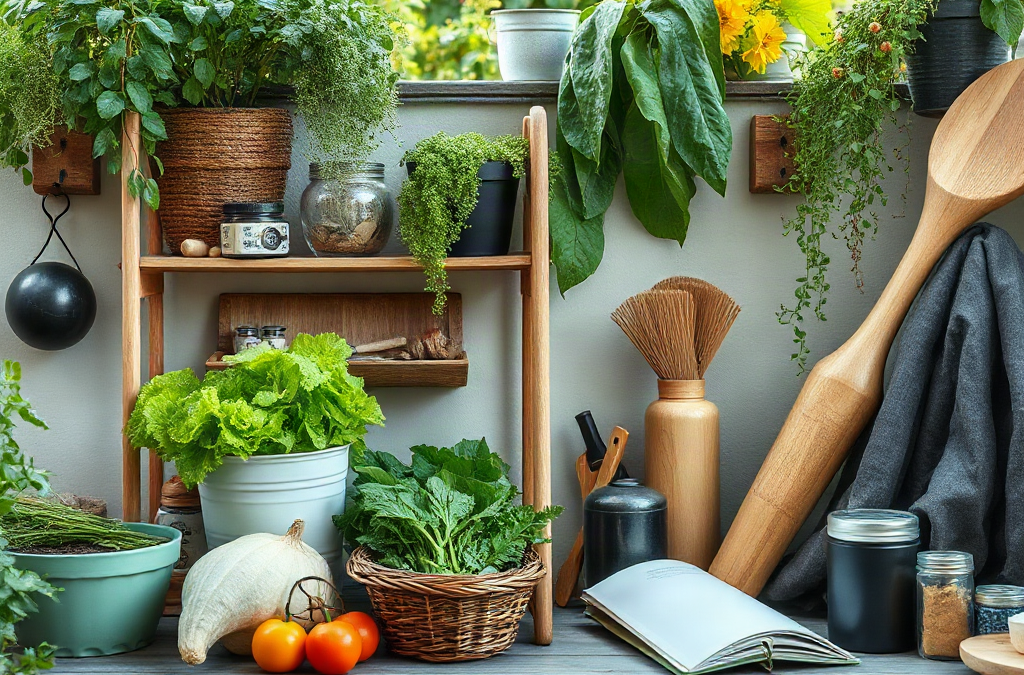
Knowledge resources for independent homesteading living are most useful when they combine dependable books, university extension material, hands-on courses, local growing records, and advice tested against your land and climate. Books provide durable explanations for soil, livestock, food preservation, maintenance, and household planning, while extension publications add region-specific guidance and safety details.
by Homesteading Lifestyle Editorial Team | Aug 29, 2026 | Homesteading
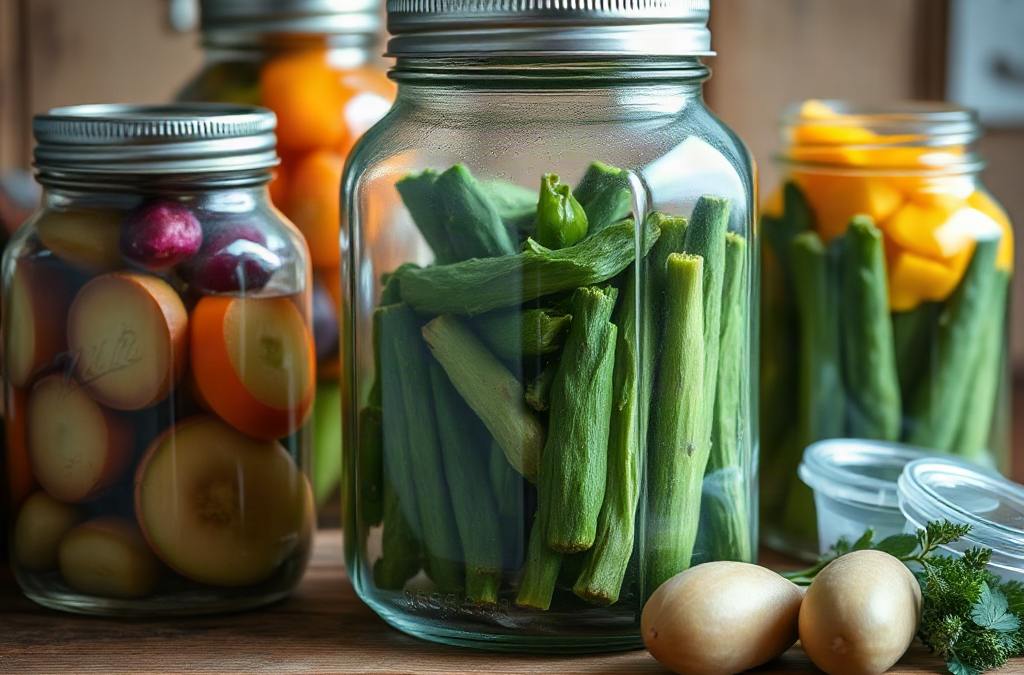
Canning and preserving essentials for homesteads include tested canning methods, suitable equipment, seasonal food planning, and storage practices that protect quality and safety. High-acid foods such as fruit, pickles, and properly acidified tomatoes generally use a boiling-water canner, while low-acid vegetables, meats, and soups require pressure canning because ordinary boiling…
by Homesteading Lifestyle Editorial Team | Aug 29, 2026 | Homesteading
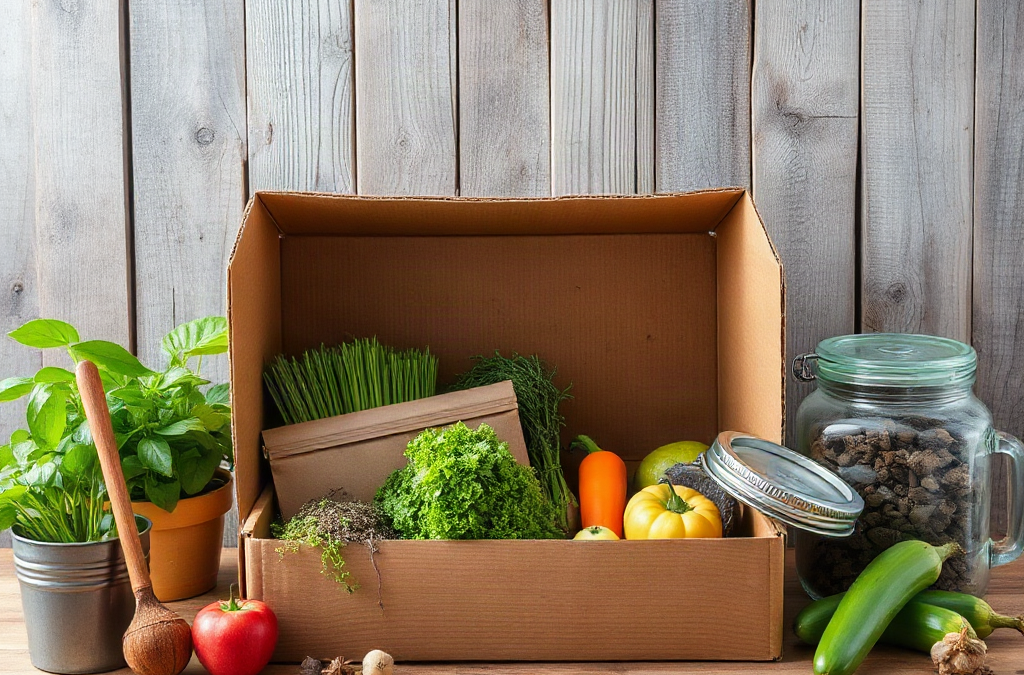
Homesteading subscription boxes worth considering are the ones that match a household’s current projects, provide usable materials, and explain how to apply them safely. Seed and growing boxes suit gardeners who can plant on schedule, while food-preservation, baking, soapmaking, craft, and livestock-care boxes may offer better value for households with specific routines.


