
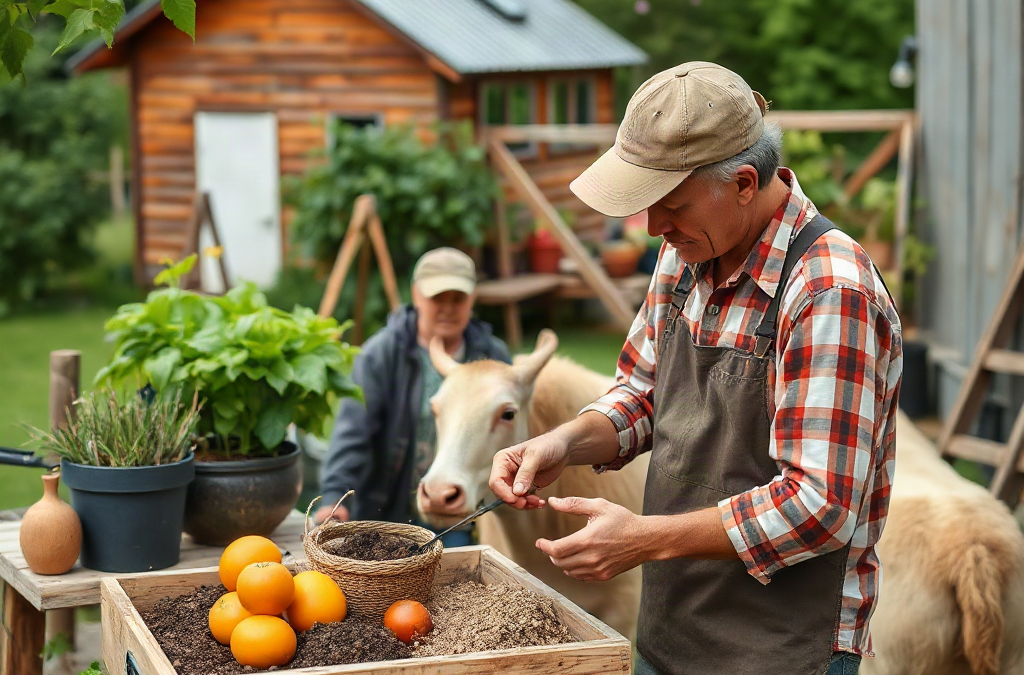
Modern homesteading shows with useful demonstrations are the programs that visibly walk through gardening, food preservation, livestock care, repairs, and small-scale building rather than relying on lifestyle footage alone. The strongest episodes show preparation, tool selection, measurements, sanitation, seasonal timing, and the finished result so viewers can judge whether a method fits their space, budget, and experience. Demonstrations of seed starting, soil preparation, pressure canning, fencing, milking, and basic carpentry are especially useful when hosts explain why each step matters. Viewers should still verify safety-sensitive instructions with university extensions, equipment manuals, or local authorities because television compresses time and may omit troubleshooting details.
What Makes a Homesteading Show Demonstration Worth Watching
A useful homesteading program teaches a process that can be observed, checked, and adapted. The camera should show more than a finished garden bed, attractive pantry shelves, or a completed outbuilding. Viewers need to see the decisions that produced the result: how materials were selected, how a site was prepared, which tools were used, and what happened when the first attempt did not go smoothly.
Demonstrations become more valuable when hosts explain cause and effect. A segment on raised beds, for instance, should address drainage, soil volume, irrigation, and the cost of filling the structure. A seed-starting segment should show light distance, moisture management, thinning, and hardening off rather than presenting transplanting as an effortless final step. Those details let a viewer distinguish a repeatable method from attractive television staging.
Time compression is a frequent weakness. A show may move from construction to harvest in a few minutes, even though curing lumber, waiting for seedlings, or monitoring a new animal enclosure takes days or weeks. Treat the episode as a demonstration of decisions, not a literal schedule. The Modern homesteading shows with useful demonstrations that serve beginners best make this timing visible and acknowledge unfinished work.
Before copying a project, note four signals: the starting conditions, the tools and inputs, the maintenance required, and the evidence of success. If an episode omits all four, it may still be entertaining, but it is a weak instructional reference. A common mistake is assuming that a polished result proves the method is affordable or appropriate for every property.
The Most Useful Demonstration Categories
Garden production, preservation, animal care, and repair work provide the clearest practical value because each relies on observable steps. Gardening episodes are most helpful when they connect crop choice to climate, available sunlight, soil condition, and water access. A demonstration of succession planting should show how a bed is cleared, amended, replanted, and labeled. Without that sequence, viewers see an idea but not a manageable rotation.
Food preservation requires a higher standard of detail. A good segment distinguishes dehydrating, fermenting, water-bath canning, and pressure canning instead of treating them as interchangeable ways to store food. It should show jar preparation, headspace, processing equipment, cooling, labeling, and storage checks. Television may not provide enough information to establish a safe recipe, so use the episode to understand the workflow and confirm the recipe through a current extension service or recognized preservation authority.
Livestock demonstrations should cover routine care rather than only dramatic births, harvests, or animal acquisitions. Useful content includes fencing, shelter ventilation, feed storage, water systems, manure handling, quarantine practices, and signs that an animal needs professional attention. A small flock of chickens illustrates the difference between buying birds and operating a system: predators, bedding, winter water, and daily observation remain after the novelty fades.
Building and repair segments are strongest when they reveal measurements and load-related decisions. A host who constructs a woodshed should discuss roof overhang, airflow, ground contact, fasteners, and the weight of stored wood. A beginner may prefer a simple freestanding design over a more elaborate structure that requires permits, concrete work, or specialized tools. Viewers comparing programs should favor demonstrations that show the unglamorous maintenance burden alongside the finished project.
How to Judge Accuracy, Safety, and Realism
Credible demonstrations separate personal preference from safety-critical instruction. A host can favor a particular garden layout or hand tool without presenting that preference as universal. By contrast, food preservation, electrical work, structural construction, pesticide handling, and animal health require dependable instructions that can be checked outside the show.
Look for visible verification. Does the presenter use a thermometer, level, measuring tape, moisture test, processing time, or manufacturer instruction when the task calls for one? Does the episode identify a material by its actual use rather than calling every board suitable for outdoor construction? Does it mention local climate, soil, water quality, building rules, or animal regulations? These details do not guarantee correctness, but their absence should lower your confidence.
A practical comparison is a garden episode that says a crop is “easy” versus one that explains its germination temperature, spacing, transplant shock, and harvest window. The second version is more useful even if it looks less dramatic. “Easy” often means easy under the host’s conditions, with established beds, favorable weather, and available labor. It may not describe the experience of someone using containers on a shaded patio.
Use a verification pause before attempting any high-consequence task. Write down the claim, identify the equipment or material involved, and check an official manual, university extension publication, or local authority. A common failure mode is copying a shortened television sequence after an unseen preparation step has been edited out. If the episode does not show a safety check, do not infer that the check was unnecessary.
- Low-risk trial: observe a planting layout or tool organization method on a small scale.
- Moderate-risk project: confirm material suitability, cost, and maintenance before building.
- High-risk task: verify the procedure independently and obtain qualified help where appropriate.
Turning an Episode Into a Workable Project
The best way to use a demonstration is to convert it into a local project brief. Record the goal, available space, season, labor, budget, and supplies already on hand before shopping. A show may present a greenhouse as a simple weekend build, but your version could require a foundation, wind bracing, ventilation, water access, and a plan for summer heat.
Break the project into observable stages. For a preserving episode, the stages might be selecting a tested recipe, preparing produce, cleaning equipment, processing the batch, checking seals, and labeling storage dates. For a garden project, they might be measuring sunlight, testing drainage, preparing growing media, choosing varieties, installing water delivery, and scheduling follow-up care. This exposes hidden work that television often compresses.

Start with a deliberately small test. Plant one bed rather than converting the entire yard; preserve a modest batch rather than filling every jar; construct one section of fencing before ordering materials for the whole perimeter. A pilot reveals whether your soil, tools, storage, and available time match the approach. If the trial fails, the financial and labor cost remains limited.
Keep notes on inputs and outcomes. Record seed variety, sowing date, weather, watering frequency, harvest amount, or the time required for cleaning and maintenance. For construction, record material dimensions, fastener types, unexpected cuts, and recurring repairs. Those records are more useful than memory when deciding whether to repeat the project next season.
The Modern homesteading shows with useful demonstrations can supply ideas, but the viewer must supply local testing. Prioritize projects that solve a current problem, use equipment you can maintain, and produce a result you can evaluate. Avoid beginning with the most visually impressive undertaking if a smaller repair, storage improvement, or crop trial would answer your immediate need.
Where These Shows Have Limits
Television is designed for narrative pace, so it rarely captures every failed seedling, muddy cleanup, veterinary expense, damaged tool, or delayed harvest. A host may have a production crew, access to prepared materials, and a property chosen for filming. Those conditions can make a project appear faster and cheaper than it is for a household working after normal job hours.
Some programs also blend education with entertainment. A dramatic animal acquisition may receive more attention than routine feed management. A beautiful pantry may conceal the cost of shelving, jars, labels, and climate control. A large harvest may reflect established soil and years of prior work rather than a result a beginner can expect in the first season.
That does not make the programs useless. It means their best role is visual orientation: they show what a tool looks like in use, how a workflow is arranged, and which questions deserve research. Written instructions, equipment manuals, extension publications, and local experience are better for exact measurements, safety limits, crop timing, and legal requirements.
Choose shows according to your purpose. For inspiration, production quality and range may matter. For learning, favor calm explanations, complete sequences, transparent setbacks, and specific references. For buying decisions, distrust segments that present a product without discussing durability, replacement parts, cleaning, storage, or compatibility with your existing setup. The Modern homesteading shows with useful demonstrations worth returning to leave you with better questions and a safer plan, not merely a desire to reproduce a finished scene.
For demonstrations involving preservation, animal care, construction, or crop production, compare television advice with publications from university extension services, the USDA, equipment manufacturers, and local government offices. These sources can provide current procedural details and location-specific requirements that a filmed episode may simplify.
Frequently Asked Questions
What makes a homesteading show genuinely instructional?
It shows preparation, tools, measurements, timing, maintenance, and the finished result, while explaining why each step is used.
Which demonstrations are safest to copy first?
Begin with low-risk projects such as labeling systems, garden layouts, simple storage improvements, or small planting trials. Verify instructions before preservation, electrical, structural, or animal-health work.
Can a television episode replace a preservation recipe?
No. Use the episode to understand the workflow, then confirm the specific recipe, equipment, processing method, and timing through a recognized preservation authority.
How can beginners avoid copying unrealistic projects?
Compare the project with your available space, labor, climate, budget, tools, and maintenance time, then test a smaller version before committing fully.
Should viewers trust product demonstrations?
Use them as visual references, not independent product proof. Check warranty terms, replacement parts, cleaning requirements, compatibility, and reviews from users with similar conditions.
Conclusion
Useful homesteading television earns attention by showing decisions, not just picturesque results. Favor episodes that reveal preparation, measurements, maintenance, seasonal timing, and the limits of a method. Gardening, preservation, livestock care, and building demonstrations can all provide strong starting points when you adapt them to your property and verify safety-sensitive details independently. A small trial is usually wiser than a complete imitation: it tests costs, labor, equipment, and local conditions before those problems multiply. Keep notes on what worked and what failed, then use the results to refine the next project. The most valuable program is not the one that makes every task look effortless; it is the one that helps you identify the work television leaves between the edits.


