by Homesteading Lifestyle Editorial Team | Oct 11, 2026 | Homestead Gardening
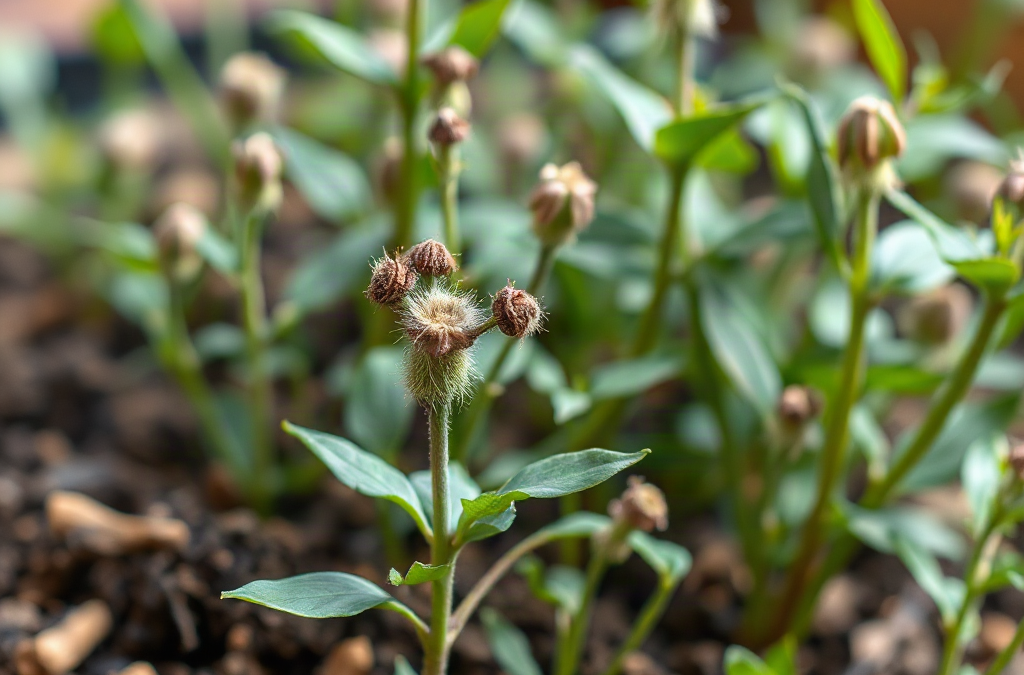
Easy-to-grow seeds for beginners with limited time include bush beans, radishes, leaf lettuce, zucchini, cucumbers, peas, kale, basil, and zinnias. These choices germinate reliably when planted in the correct season, need little specialized care, and produce food or flowers without indoor seed-starting equipment.
by Homesteading Lifestyle Editorial Team | Oct 10, 2026 | Homestead Gardening
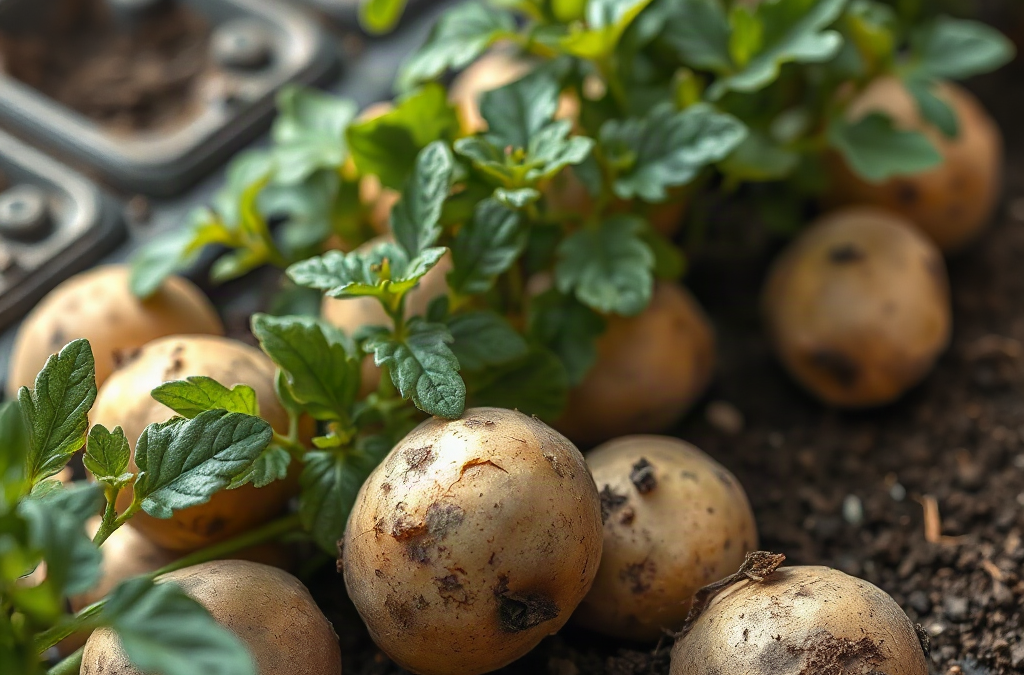
Grow potatoes in containers or garden beds by planting certified seed potatoes in loose, well-drained soil, keeping the developing tubers covered, and watering consistently without leaving the root zone saturated. Containers need drainage holes and enough depth for roughly 12 inches of soil, while beds benefit from hilling soil around the stems as plants grow.
by Homesteading Lifestyle Editorial Team | Oct 9, 2026 | Homestead Gardening
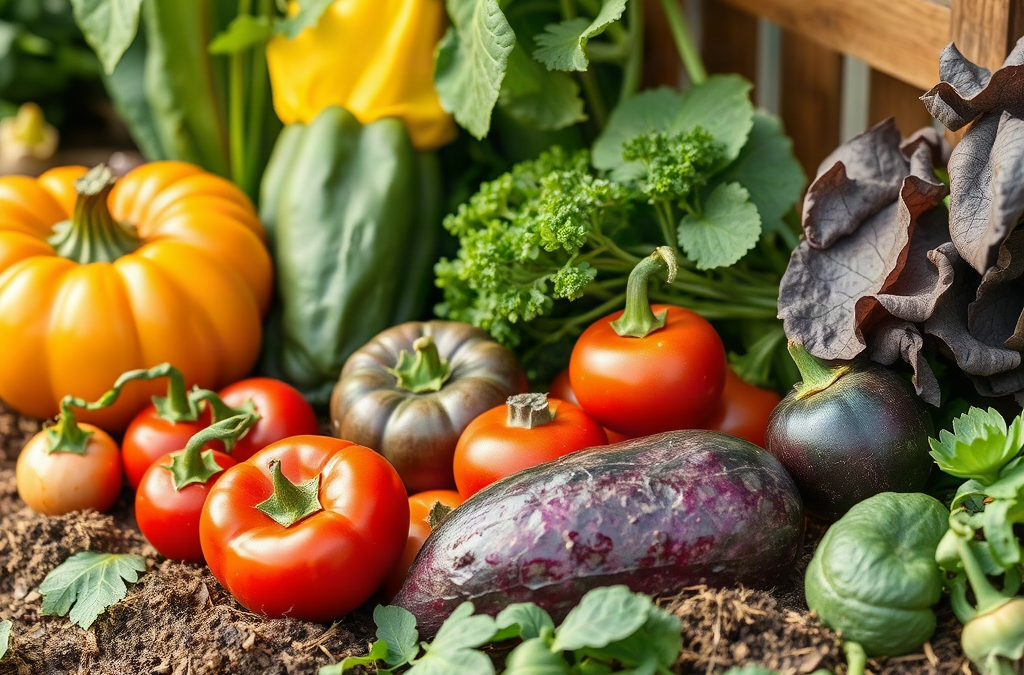
Planting vegetables for beginners works best when each crop is matched to its season and succession sowings are scheduled from the expected harvest date backward. Sow cool-season vegetables such as peas, lettuce, and radishes around frost-tolerant weather, then plant beans, cucumbers, and squash after the soil warms.
by Homesteading Lifestyle Editorial Team | Oct 8, 2026 | Homestead Gardening
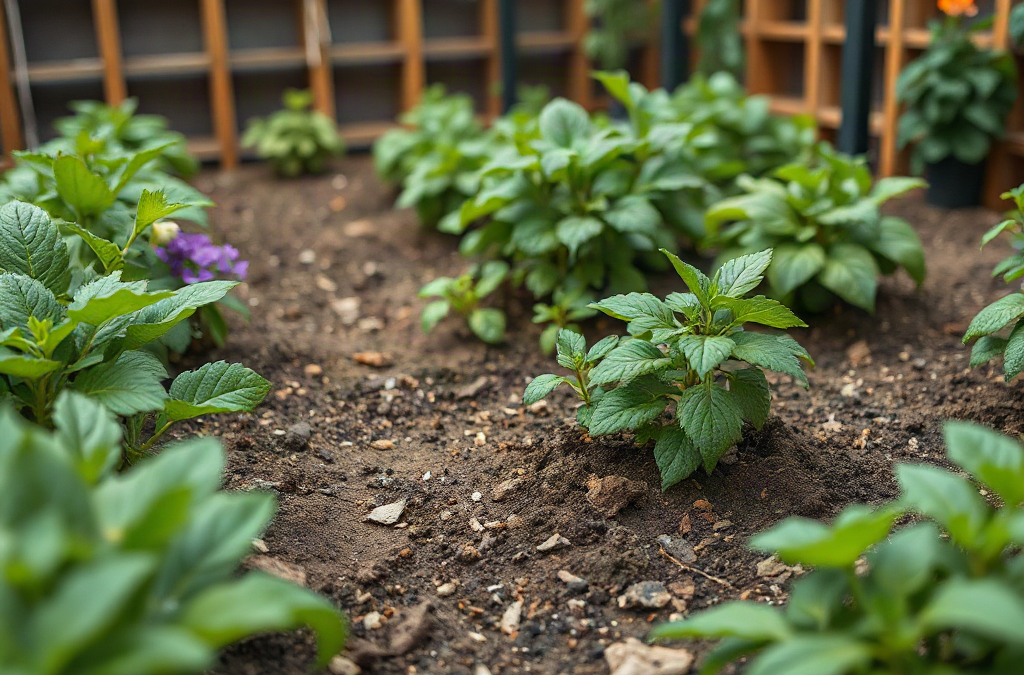
Square foot gardening for beginners works best when crop spacing is based on mature plant width: place 1, 4, 9, or 16 plants in each 12-inch square, with large crops receiving the most room. Center broccoli, cabbage, peppers, and similar plants individually; use four positions for leaf lettuce, nine for…
by Homesteading Lifestyle Editorial Team | Oct 7, 2026 | Homestead Gardening
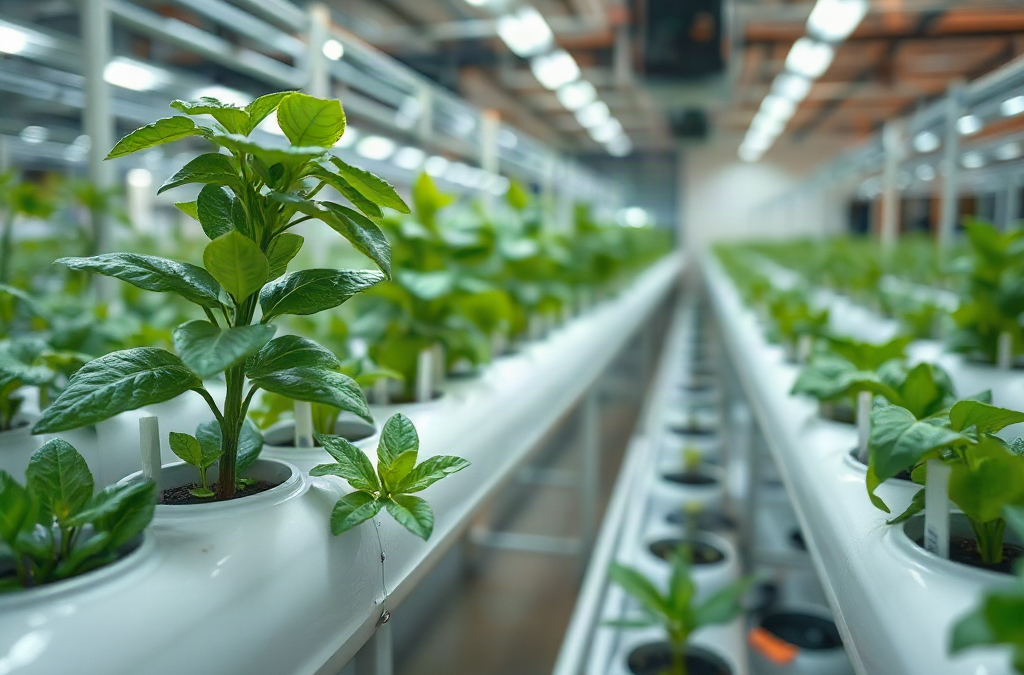
Hydroponic gardening for beginners works best with a simple system, a complete hydroponic nutrient formula, and routine checks of water level, pH, electrical conductivity, roots, and equipment. A deep-water culture setup suits leafy greens, while wick systems offer lower complexity and drip systems provide more control at a higher maintenance cost.
by Homesteading Lifestyle Editorial Team | Oct 2, 2026 | Homestead Gardening
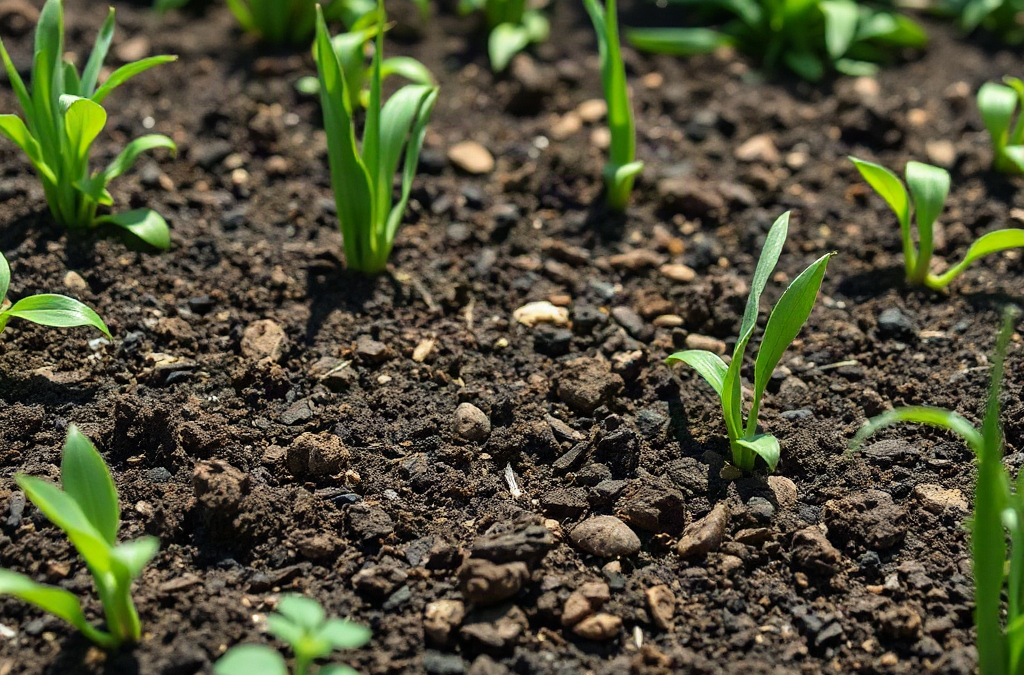
No-till gardening for beginners avoids soil compaction by keeping feet and equipment out of permanent growing areas, covering the surface with organic mulch, and planting with minimal disturbance. Beds should be narrow enough to reach from paths, while compost is added from above rather than mixed in by digging.