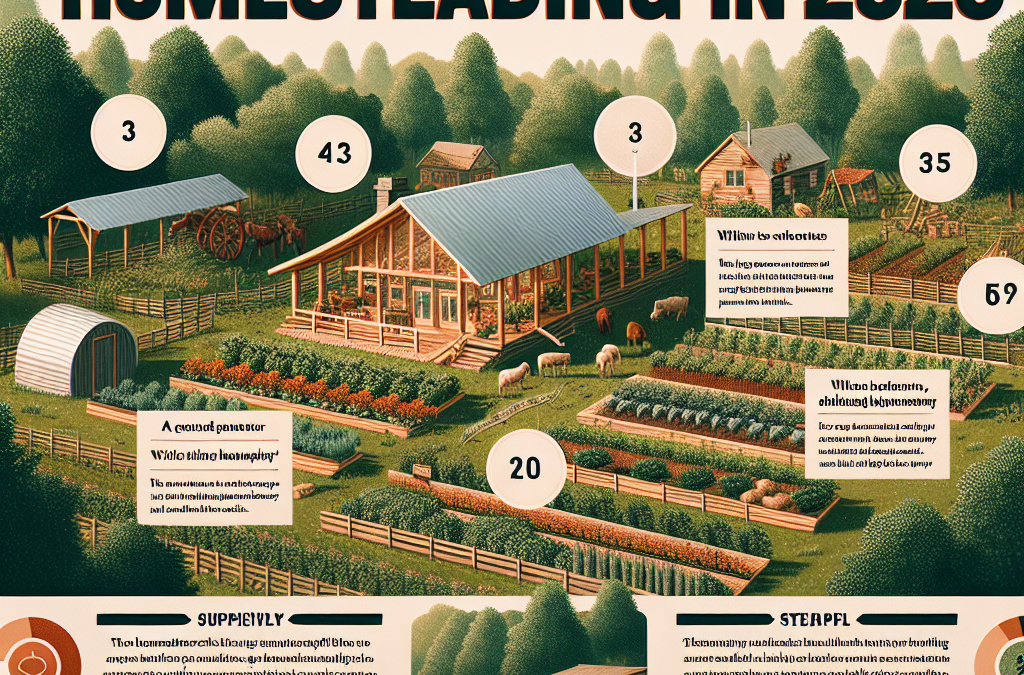
Understanding the core components of a homestead lifestyle is crucial for success. Prioritizing self-sufficiency means developing skills in gardening, animal husbandry, and resource management. Mistakes often arise from underestimating the time and effort required to maintain these practices. For instance, novice gardeners may overlook the importance of soil health, which is foundational for sustainable crop production. By emphasizing the significance of starting small and gradually expanding, individuals can avoid overwhelm and build confidence in their abilities.
Moreover, many aspiring homesteaders fail to recognize the value of community support. Engaging with local groups can provide essential resources, knowledge, and camaraderie. Building relationships with neighbors and fellow homesteaders can lead to valuable exchanges, such as sharing tools or food preservation techniques. This interconnectedness not only strengthens individual efforts but also fosters a culture of sustainability that can benefit entire communities.
Key Practices for Sustainable Gardening
Effective gardening practices are the backbone of a homestead lifestyle. Focusing on organic methods, crop rotation, and companion planting not only enhances biodiversity but also improves soil health. Implementing these practices can lead to a more resilient garden capable of withstanding pests and diseases.
For instance, incorporating native plants into your garden can attract beneficial insects and pollinators, reducing the need for chemical interventions. Additionally, understanding seasonal planting schedules can optimize yield and minimize waste. Many new gardeners often neglect to plan for crop succession, which can lead to periods of unproductive land. Prioritizing a well-thought-out planting calendar can maximize output and ensure a steady supply of fresh produce.
Furthermore, many homesteaders overlook the importance of soil testing. Regularly assessing soil health can provide insights into nutrient deficiencies or pH imbalances, allowing for targeted amendments. This proactive approach can significantly improve crop resilience and productivity over time.
Food Preservation Techniques
Preserving food is a vital skill for any homesteader. Techniques such as canning, dehydrating, and fermenting not only extend the life of your harvest but also enhance flavors and nutritional value. Learning these methods can empower individuals to make the most of seasonal abundance.
One common pitfall is attempting to preserve too much at once, leading to burnout and wasted produce. Instead, focusing on small batches allows for experimentation and mastery of each technique. For example, starting with simple pickling recipes can build confidence before moving on to more complex canning projects. Prioritizing safety and proper methods is crucial to avoid foodborne illnesses.
Moreover, many people don’t realize the versatility of preserved foods. For instance, pickled vegetables can be used in salads, sandwiches, or as side dishes, providing multiple uses and reducing waste. Emphasizing creativity in using preserved goods can enhance meal variety and enjoyment.
Building Community Connections
Community engagement is a cornerstone of successful homesteading. Establishing connections with local farmers, homesteading groups, and neighbors can provide invaluable resources and support. These relationships foster a sense of belonging and shared purpose.
Participating in local farmers’ markets or community events can create opportunities for knowledge exchange and collaboration. For example, joining a community garden can provide access to shared resources and expertise while fostering friendships. Many aspiring homesteaders underestimate the benefits of these social connections, often trying to go it alone.
Additionally, collaborating with local schools or organizations to host workshops can enhance community knowledge about sustainable practices. This not only builds your own skills but also contributes to a culture of sustainability in the wider community.
Common Mistakes and How to Avoid Them
Many individuals embarking on a homesteading journey make common mistakes that can hinder success. One prevalent issue is the lack of a clear plan or vision. Without defined goals, it becomes easy to become overwhelmed by the numerous tasks involved in homesteading.

Another frequent misstep is underestimating the time commitment required for maintenance. Homesteading is not a one-time effort; it requires consistent care and attention. Prioritizing time management and setting realistic expectations can alleviate stress and promote sustainability.
Moreover, failing to learn from mistakes can stall progress. Embracing a mindset of adaptability and resilience is crucial. For instance, if a gardening technique fails, analyzing what went wrong and adjusting future practices can lead to long-term improvement.
Further Reading
Authoritative Sources
- National Extension Service
extension.orgThis resource offers extensive information on sustainable agricultural practices and community engagement for homesteaders
- Local Harvest
localharvest.orgA directory of local farmers and farmers’ markets, promoting community connections and sustainable food sources
- USDA Food Preservation
fns.usda.govGuidelines and techniques for safe food preservation practices
- Permaculture Principles
permacultureprinciples.comInsights into sustainable agricultural practices and community-focused living
Frequently Asked Questions
What are the first steps to start a homestead?
Begin by assessing your resources, setting clear goals, and starting small with manageable projects like gardening or raising a few chickens.
How can I preserve food effectively?
Utilize methods such as canning, dehydrating, and fermenting. Start with small batches to learn the techniques and ensure safety.
What mistakes should I avoid when starting a homestead?
Avoid overcommitting to projects without a clear plan, and be cautious not to underestimate the time and effort required for maintenance.
How can I connect with other homesteaders?
Join local homesteading groups, participate in community events, or attend farmers’ markets to build relationships and exchange knowledge.
What are the benefits of community engagement in homesteading?
Community connections provide support, shared resources, and knowledge exchange, enhancing the overall homesteading experience.
Conclusion
Building generational homestead lifestyle habits is a transformative journey that requires commitment, knowledge, and community. Prioritizing sustainable practices in gardening, food preservation, and community engagement can create a resilient lifestyle that benefits not only you but also future generations. Start small, learn from your experiences, and embrace the support of your community to thrive in your homesteading endeavors.