- Introduction
- Creating a Sustainable Family Homestead in 2025
- Mastering the Essentials of Family Homestead Living
- Innovative Tips for Thriving Family Homestead Living in 2025
- Frequently Asked Questions About Family Homestead Living
- Conclusion
Introduction
Embarking on a journey of family homestead living has become increasingly popular in 2025, as more families seek self-sufficiency and a closer connection to nature. This lifestyle offers numerous benefits, including fresh food, reduced living costs, and valuable family bonds. Whether you’re new to homesteading or looking to enhance your current setup, understanding the key aspects will help you succeed.
Living on a family homestead isn’t just about farming; it’s about creating a sustainable and resilient lifestyle for your loved ones. In this ultimate guide, we’ll explore practical tips and current trends that can help you thrive in your homesteading journey this year. Get ready to turn your rural dreams into a rewarding reality, with insights tailored for 2025’s evolving landscape.
Creating a Sustainable Family Homestead in 2025
Choosing the Right Location
Selecting the perfect spot is crucial for a thriving family homestead. Consider factors such as climate, soil quality, water availability, and neighborhood regulations. A strategic location reduces initial costs and increases your chances of success.
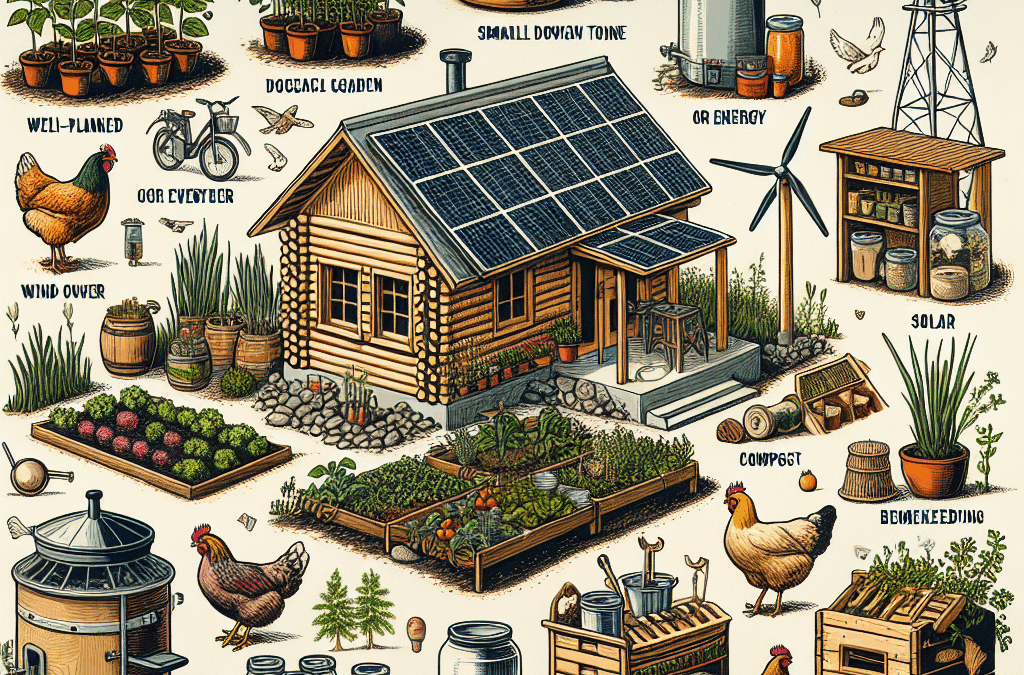
In 2025, sustainable land choices also involve assessing natural resources and access to renewable energy sources. Many homesteaders are now opting for sites that allow solar or wind energy installation, minimizing environmental impact. Doing thorough research beforehand will set a solid foundation for your homesteading goals.
Implementing Eco-Friendly Practices
Adopting eco-friendly practices is fundamental to sustainable family homestead living. Composting organic waste, using rainwater harvesting systems, and planting native species help maintain soil health and conserve resources. These methods also reduce your ecological footprint.
In 2025, more families are integrating renewable energy solutions like solar panels and wind turbines into their homesteads. This shift not only cuts energy costs but also aligns with eco-conscious values. Making these investments early on ensures long-term sustainability and savings.
Creating a Food Forest
Developing a food forest is an effective way to produce diverse, nutritious food while mimicking natural ecosystems. Planting fruit trees, berry bushes, and perennial vegetables provides a low-maintenance source of food year-round. It also supports local biodiversity.
For family homestead living in 2025, incorporating permaculture principles into your food forest promotes resilience and self-sufficiency. Planning ahead and choosing plants suited to your climate will maximize yields and minimize efforts, creating a sustainable food supply for your family.
Building Resilient Infrastructure
Robust infrastructure—such as sturdy barns, cold storage, and reliable water systems—is essential for long-term family homestead living. Investing in durable materials and eco-friendly technology ensures these structures withstand environmental challenges.
In 2025, innovative solutions like solar-powered water pumps and off-grid power systems are gaining popularity. Emphasizing resilience in your infrastructure reduces dependence on external utilities and enhances your family’s independence and safety.
Mastering the Essentials of Family Homestead Living
Organic Gardening and Livestock Care
Growing organic vegetables and caring for livestock are key aspects of family homestead living. Emphasizing organic methods keeps food safe and nourishing for your family. Proper livestock care ensures healthy animals that contribute to your homestead’s productivity.
In 2025, smart technology is making management easier—automated watering systems and health tracking devices help you maintain high standards effortlessly. Balancing crop cultivation with animal husbandry creates a self-sufficient, resilient family homestead environment.
Preserving Food for Future Use
Food preservation techniques such as canning, fermenting, and dehydrating are vital skills for family homestead living. They enable you to store excess harvest and enjoy seasonal produce throughout the year. Preserving food reduces waste and saves money.
In 2025, new methods like vacuum sealing and solar dehydrators are making preservation easier and more efficient. Learning these skills ensures your family always has access to wholesome foods, even during off-seasons.
Managing Water Resources Effectively
Effective water management is critical to the success of any family homestead. Installing rain barrels, constructing ponds, and practicing water conservation protect your supply during droughts or dry seasons. This approach ensures your crops and animals have consistent access to water.
Modern innovations such as greywater recycling and solar-powered pumps are becoming popular in 2025. Implementing these technologies enhances the sustainability of your water systems and reduces utility costs over time.
Utilizing Renewable Energy Sources
Incorporating renewable energy into your homestead minimizes reliance on fossil fuels and lowers bills. Solar panels, wind turbines, and micro-hydro systems are excellent options for family homestead living. They support an off-grid lifestyle and promote environmental responsibility.
In 2025, advancements in affordability and efficiency make renewable energy more accessible. Investing in these systems helps your family become more self-sufficient and prepares you for future energy challenges.
Innovative Tips for Thriving Family Homestead Living in 2025
Utilizing Smart Technology for Efficiency
Smart technology is transforming family homestead living by automating routine tasks. Automated watering systems, weather sensors, and livestock monitoring devices save time and improve productivity. These innovations help you focus on strategic planning and family time.

By 2025, integrating IoT devices into your homestead allows for remote management, offering peace of mind. Learning to operate these systems can significantly enhance your overall efficiency and success in homesteading.
Practicing Vertical and Permaculture Gardening
Vertical gardening maximizes limited space and increases productivity on your homestead. Using trellises, hanging gardens, and tower planters enables you to grow more food in smaller areas. It’s perfect for urban or compact homesteads.
Permaculture principles emphasize sustainable design and soil health, creating resilient ecosystems. Implementing these techniques encourages biodiversity and year-round food supply, crucial for family homestead living in 2025.
Expanding with Value-Added Products
Transforming raw products into value-added goods—such as jams, cheeses, and herbal tinctures—adds income streams and preserves your harvest. It fosters self-reliance and entrepreneurial spirit within your family.
In 2025, online marketplaces and local farmers’ markets make selling these products easier than ever. Developing a small cottage industry from your homestead not only boosts income but also enhances your family’s connection to their land.
Engaging with Community Networks
Building relationships with local homesteading groups, co-ops, and online forums provides support and shared knowledge. Community engagement can lead to shared resources, knowledge exchanges, and cooperative ventures.
In 2025, digital platforms and social media help you connect with like-minded families worldwide. Being part of a community enriches your homestead living experience and encourages continuous learning and growth.
Frequently Asked Questions About Family Homestead Living
What are the best practices for starting a family homestead in 2025?
Starting a family homestead in 2025 requires careful planning and research. Begin by assessing your land and resources, then outline your goals—whether sustainable farming, livestock, or renewable energy. Prioritize learning about local regulations and climate conditions to set realistic expectations.
Investing in quality tools, building essential infrastructure, and gradually expanding your garden and livestock will help you avoid overwhelm. Connecting with experienced homesteaders online or locally can provide invaluable guidance for a successful start.
How can I make my family homestead more sustainable?
Transitioning to a more sustainable family homestead involves adopting eco-friendly practices like composting, renewable energy, and permaculture principles. Implementing water-saving measures and planting native or drought-resistant crops reduces resource use.
Additionally, integrating animals responsibly, such as chickens or goats, can enhance your self-sufficiency while maintaining ethical practices. Continuous education and experimenting with new techniques will help you adapt and improve your sustainability efforts.
What are common challenges faced in family homestead living?
Common challenges include managing resources effectively, dealing with unpredictable weather, and maintaining soil fertility. Financial constraints and initial setup costs can also pose hurdles, especially for families just starting out.
Learning to troubleshoot livestock health issues and balancing labor demands are additional concerns. However, with proper planning, ongoing education, and community support, these challenges can be managed successfully.
How can family homestead living benefit my family in 2025?
Family homestead living promotes physical activity, teaches valuable skills, and fosters a strong family bond through shared responsibilities. It encourages healthier eating, environmental consciousness, and financial savings.
In 2025, this lifestyle also offers resilience against economic fluctuations and supply chain disruptions. Overall, embracing family homestead living creates a meaningful, sustainable, and fulfilling life for your loved ones.
Conclusion
Embracing family homestead living in 2025 presents an incredible opportunity to create a sustainable and self-sufficient lifestyle for your loved ones. From selecting the right location to implementing innovative technologies, every step helps build resilience and harmony with nature. Remember, the journey is as rewarding as the destination—dedication, learning, and community support will be your greatest assets.
Find out more information about “family homestead living”
Search for more resources and information: