- Start with Sustainable Agriculture
- Use Renewable Energy Sources
- Implement Composting and Waste Management
- Grow Your Own Food
- Practice Natural Building and Renovation
- Raise Homestead Animals Responsibly
- Utilize Permaculture Principles
- Embed Water Conservation Strategies
- Educate Yourself and Your Community
- Embrace DIY Natural Products
1. Start with Sustainable Agriculture
Understanding Eco-Friendly Farming Techniques
In 2025, homestead natural living is increasingly centered on sustainable agriculture. This means adopting farming practices that preserve soil health, conserve water, and minimize chemical inputs. Techniques like crop rotation, cover cropping, and organic pesticides help create a resilient ecosystem on your homestead. For example, integrating legumes into your rotation can naturally enhance nitrogen levels in the soil without synthetic fertilizers.
By focusing on sustainable agriculture, homesteaders reduce their environmental impact and produce healthier food. Many successful homesteaders report increased crop yields and improved soil vitality after switching to organic methods. This approach not only benefits the planet but also boosts your self-sufficiency, especially as organic food costs continue to rise in 2025.
Implementing Permaculture Design
Permaculture is a cornerstone of homestead natural living in 2025. It involves designing your property to mimic natural ecosystems, creating a self-sustaining environment. Elements like water harvesting systems, edible landscaping, and polycultures enhance biodiversity and productivity. For instance, planting fruit trees around vegetable beds provides shade and protection, while attracting pollinators.
Practicing permaculture principles ensures your homestead becomes more resilient against climate uncertainties and pests, reducing the need for chemical interventions. Itâs a practical, eco-friendly way to create a sustainable homestead that thrives with less input over time.
2. Use Renewable Energy Sources
Harnessing Solar and Wind Power
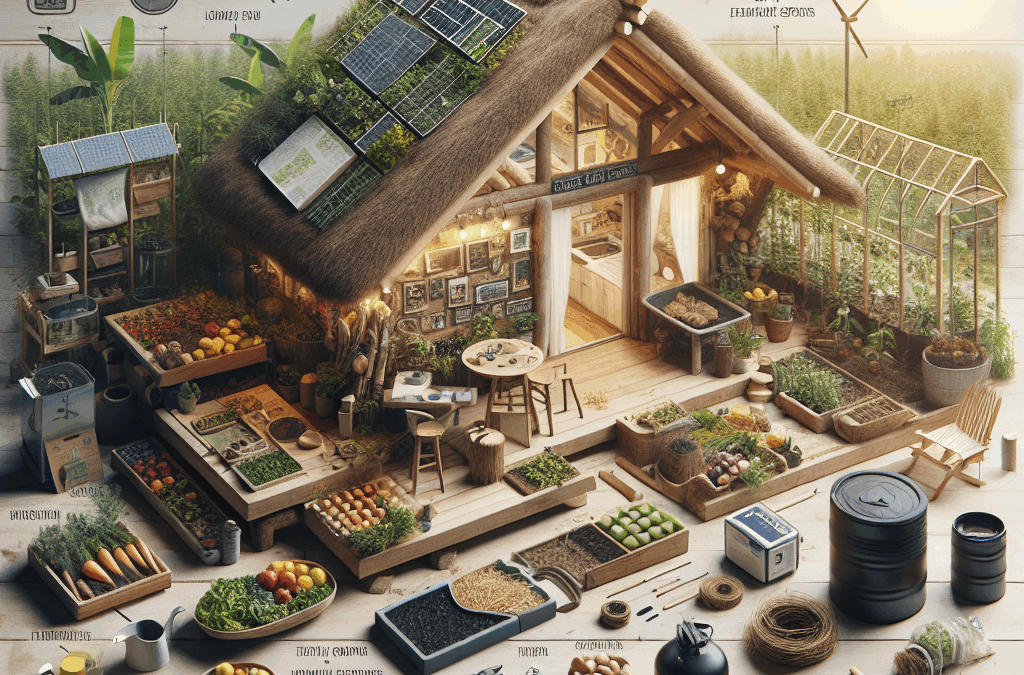
In 2025, renewable energy technology has become more affordable and efficient for homesteaders. Solar panels are now a common sight on homestead rooftops, providing clean energy to power homes and water systems. Small wind turbines can complement solar setups, especially in windy regions. Investing in these technologies reduces reliance on grid power and lowers your carbon footprint.
Switching to renewable sources not only promotes homestead natural living but also results in significant savings over time. Many larger homesteads are now generating enough power to sell excess energy back to the grid, creating additional income streams. Remember to evaluate your propertyâs sunlight and wind patterns when selecting equipment to maximize efficiency.
Adopting Off-Grid Living
Off-grid systems are increasingly popular among homesteaders seeking complete independence from utilities. Using solar, wind, and backup generators powered by biodiesel or other renewable fuels enables homesteads to operate sustainably. Proper energy management is crucial â consider installing energy storage batteries and energy-efficient appliances to optimize consumption.
Embracing off-grid living in 2025 aligns perfectly with the principles of homestead natural living, ensuring your household minimizes environmental impact while maintaining comfort and productivity.
3. Implement Composting and Waste Management
Creating a Robust Compost System
Composting is a must-have for homestead natural living. In 2025, composting methods have become more streamlined with worm composting, Bokashi systems, and tumblers. Compost turns organic waste into nutrient-rich soil, reducing landfill waste and enriching your garden. For example, kitchen scraps, yard waste, and manure can all be composted safely.
Effective composting improves soil health and reduces dependence on synthetic fertilizers. Aim to compost as much waste as possible, and maintain the right balance of greens and browns for optimal decomposition. Proper aeration and moisture control accelerate the process and keep pests away, making composting a sustainable routine.
Managing Waste Responsibly
Beyond composting, waste management in 2025 emphasizes reducing plastic use, recycling, and reusing materials. Homesteaders are encouraged to minimize packaging waste by choosing bulk and eco-friendly products. Setting up designated recycling stations and repurposing materials can further lessen landfill contributions.
Waste management isnât just about disposal; itâs about creating a circular system that supports homestead natural living. For instance, collecting rainwater reduces the need for plastic bottles, while reusing containers and packaging helps keep your environment clean and sustainable.
4. Grow Your Own Food
Starting Your Vegetable Garden
Growing your own food is the heart of homestead natural living in 2025. Start with easy-to-grow vegetables like lettuce, tomatoes, carrots, and herbs. Utilize raised beds, vertical gardening, and companion planting to maximize space and productivity. Fresh, organic vegetables not only save money but also ensure food safety and nutritional value.
Make the most of seasonal planting calendars and climate-smart practices. For example, using cold frames extends your growing season, providing fresh produce earlier in spring and later into fall. When you grow your own food, youâre investing directly in your health and the health of the planet.
Preserving and Storing Food
Preservation techniques such as canning, dehydrating, and fermenting are essential in 2025 for maintaining a stable food supply. Properly stored homegrown food reduces reliance on store-bought products and plastic packaging. Learning preservation methods empowers homesteaders to enjoy seasonal bounty year-round.
Putting up food can be a rewarding activity, especially when management is done mindfully with natural, chemical-free methods. This approach extends your homesteadâs sustainability and ensures youâre prepared for any disruptions.
5. Practice Natural Building and Renovation
Eco-Friendly Construction Materials
Natural building techniques are increasingly popular among homesteaders in 2025. Using materials like straw bale, cob, adobe, and wood reduces chemical exposure and integrates your structure seamlessly into the environment. These materials are often locally sourced and sustainable, making your homestead more eco-friendly.
For example, straw bale homes offer excellent insulation and low energy costs. Cob and adobe walls are durable and provide natural thermal mass, reducing the need for artificial heating or cooling. Incorporating natural materials enhances your homesteadâs resilience and aesthetic appeal.
Renovating with Sustainability in Mind
When renovating existing structures, focus on energy efficiency and eco-friendly upgrades. Installing solar water heaters, natural fiber insulation, and low-VOC paints helps create healthier indoor environments. Repurposing old materials and minimizing waste during renovations aligns perfectly with homestead natural living principles.
These practices not only decrease your ecological footprint but also often save money in the long run. Sustainable renovations can significantly increase property value and comfort while maintaining alignment with your eco-conscious values.
6. Raise Homestead Animals Responsibly
Choosing the Right Animals for Your Homestead
In 2025, raising animals on a homestead is about responsibility and sustainability. Chickens, ducks, goats, and bees are popular choices for providing eggs, milk, and pollination. Select animals suited to your climate, space, and resources â this ensures their well-being and productive lifespan.
For example, heritage breeds often adapt better to local environments and require fewer inputs, making them ideal for natural living. Proper selection reduces stress, disease, and environmental impact, aligning with the philosophy of living in harmony with nature.
Implementing Ethical and Sustainable Practices
Practicing humane animal husbandry includes providing ample space, natural diets, and clean environments. Rotational grazing minimizes land degradation and supports biodiversity. Integrating animals into permaculture systems benefits both your homesteadâs productivity and ecosystem health.

For instance, chickens can help control pests and fertilize gardens naturally. Ethical animal management promotes mutual benefits, making your homestead more resilient and aligned with natural living principles.
7. Utilize Permaculture Principles
Designing Self-Sustaining Systems
Permaculture is essential to modern homestead natural living. It emphasizes designing your land to create productive, resilient, and sustainable systems. Elements like water catchment, multi-layered planting, and perennial food crops help reduce maintenance and input costs.
For example, creating food forests mimics natural ecosystems, providing food, shade, and habitat for beneficial insects. This approach increases biodiversity and reduces pest issues, making your homestead more self-sufficient.
Implementing Key Permaculture Techniques
Key techniques include swales for water management, guild planting for pest control, and zone planning for efficient resource use. These methods work together to reduce external input needs, optimize resource use, and create a balanced homestead ecosystem.
By embracing permaculture principles, you are actively designing a resilient homestead that thrives sustainably in 2025 and beyond.
8. Embed Water Conservation Strategies
Rainwater Harvesting and Storage
Water conservation is vital in 2025, with climate shifts increasing drought periods. Installing rainwater harvesting systems captures free, natural water, reducing reliance on wells or municipal supplies. Use storage tanks, filters, and gravity-fed distribution to make the most of collected rainwater.
This practice reduces water bills and creates a resilient water supply during dry seasons. Plus, rainwater is often purer and better for plants and animals. Integrating these systems early in your homestead planning ensures sustainable water use.
Efficient Irrigation and Water Use
Drip irrigation, mulching, and soil moisture monitoring make watering your homestead more efficient. Using micro-sprays or soakers targets roots precisely, minimizing waste. Mulches also help retain soil moisture, decreasing the frequency of watering sessions.
As water becomes a more precious resource in 2025, adopting these strategies helps align your homestead with natural living while conserving a vital resource.
9. Educate Yourself and Your Community
Continuous Learning and Skill Building
Homestead natural living requires ongoing education. Stay updated with the latest organic farming techniques, renewable energy innovations, and sustainable building methods. Attend workshops, read books, and join online forums to improve your skills.
Sharing this knowledge with your community strengthens local resilience and fosters a culture of sustainability. In 2025, connected communities can implement collective initiatives like seed swaps, tool sharing, and cooperative markets.
Networking and Building a Support System
Networking with local homesteaders, environmental groups, and sustainability organizations expands your resources and knowledge base. Collaborate on projects, share resources, and support each otherâs growth in natural living practices.
Building a learning community creates a powerful feedback loop that accelerates adoption and innovation in homestead natural living.
10. Embrace DIY Natural Products
Making Your Own Cleaning and Personal Care Products
Creating homemade cleaners, soaps, and personal care items aligns perfectly with homestead natural living in 2025. Use natural ingredients like vinegar, baking soda, herbs, and essential oils. These products are free of synthetic chemicals, safer for your family, and cost-effective.
For example, vinegar-based all-purpose cleaners effectively eliminate grime and bacteria, while herbal infusions can be used in lotions or salves. DIY products reduce plastic waste and exposure to harmful substances.
Growing and Harvesting Herbal Remedies
Herbal medicine is booming in the homesteading community. Growing herbs like chamomile, lavender, echinacea, and mint enables you to produce tinctures, salves, and teas at home. This not only improves your health naturally but also reduces dependency on commercial pharmaceuticals.
Learning to craft herbal remedies is a rewarding part of homestead natural living, empowering you to care for yourself and your loved ones sustainably.
Conclusion
Embracing homestead natural living in 2025 means committing to practices that foster sustainability, resilience, and harmony with nature. From sustainable farming and renewable energy to natural building and herbal remedies, these 10 tips provide a comprehensive roadmap. When you align your efforts with these principles, your homestead becomes a thriving ecosystem that supports your health and the planet’s well-being. Remember, every small change contributes to a more sustainable future, making homestead natural living not just a trend, but a meaningful way of life in 2025 and beyond.
Frequently Asked Questions
1. What is homestead natural living?
Homestead natural living is a lifestyle focused on sustainable, eco-friendly practices for growing food, building, and managing resources to live harmoniously with nature. It emphasizes organic farming, renewable energy, waste reduction, and natural products.
2. How can I start practicing homestead natural living on a small scale?
Begin by creating a vegetable garden, composting waste, and reducing reliance on chemicals. Incorporate composting, rainwater harvesting, and natural building materials gradually. Education and community involvement can also accelerate your progress.
3. Why is renewable energy important for homesteaders in 2025?
Renewable energy reduces dependence on fossil fuels, lowers energy costs, and minimizes environmental impact. In 2025, advances in technology make solar and wind power more accessible and efficient for small-scale homesteads.
4. How does practicing permaculture benefit my homestead?
Permaculture designs create resilient, self-sustaining ecosystems that produce food, conserve water, and support biodiversity. It reduces external inputs and increases the sustainability of your homestead in the long term.
5. What are some essential skills for homestead natural living?
Skills like organic gardening, herbal medicine making, natural building, animal husbandry, and energy management are vital. Continuous learning enhances your ability to live sustainably and adapt to changing conditions.