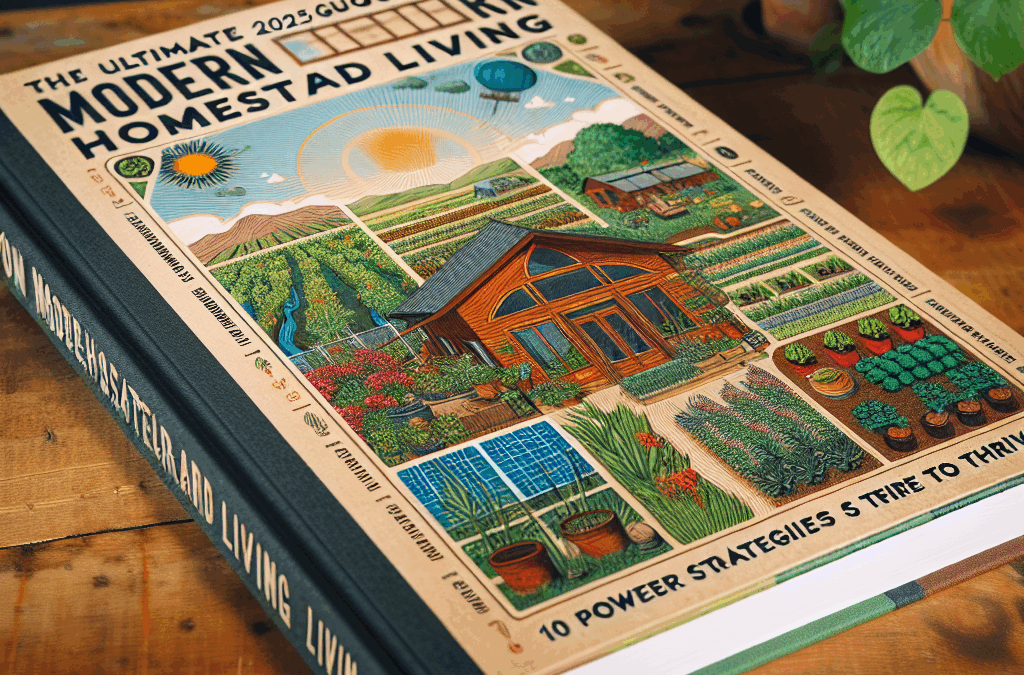
Welcome to the definitive guide to modern homestead living in 2025! If you’re passionate about self-sufficiency, sustainable living, and creating a thriving homestead, you’re in the right place. In this comprehensive article, we’ll explore 10 powerful strategies that will help you excel in modern homestead living this year. Whether you’re a seasoned homesteader or just starting out, these tips will inspire, inform, and empower you to make the most of your homestead journey in 2025.
Table of Contents
- Implement Sustainable Water Management
- Adopt Renewable Energy Sources
- Explore Modern Permaculture Techniques
- Utilize Smart Home Technologies
- Enhance Food Preservation Skills
- Integrate Livestock Smartly
- Master Soil Regeneration Methods
- Build Resilient Infrastructure
- Engage with Community Networks
- Stay Informed on Homestead Regulations
1. Implement Sustainable Water Management
Rainwater Harvesting Systems
In 2025, sustainable water management is more critical than ever. Installing rainwater harvesting systems allows homesteaders to collect and use rainwater effectively. For example, large rain barrels and underground storage tanks can provide a reliable water source during dry months, reducing dependence on municipal supplies.
By capturing rainwater, you can irrigate your garden and supply household needs, significantly lowering your water bill and conserving resources. Proper filtration and treatment ensure that collected water remains safe for various uses, from watering plants to washing your crops.
Operational tips include gutter maintenance, choosing the right storage capacity, and ensuring all components are sealed and protected against contamination. Think aheadâ2025’s weather patterns suggest increased variability, so adaptive water management strategies are essential for a resilient homestead.
Water Conservation and Recycling
Implementing water-saving appliances and practices goes hand-in-hand with water harvesting. Low-flow fixtures, drip irrigation, and greywater systems maximize efficiency, ensuring minimal waste.
Recycling greywater from sinks, baths, and washing machines allows you to reuse water for irrigation or flushing toilets. Modern filtration systems make this process safer and more environmentally friendly, aligning with the principles of modern homestead living.
Research shows that effective water recycling can save up to 30% of household water use, making it a smart, sustainable choice in 2025.
2. Adopt Renewable Energy Sources
Solar Power Expansion
By 2025, solar energy continues to be the top choice for homesteaders seeking energy independence. Installing photovoltaic panels can drastically reduce reliance on grid electricity, leading to cost savings and a smaller carbon footprint.
Modern solar panels are more efficient and affordable than ever before. Integrated solar systems with battery storage allow your homestead to operate seamlessly, even during cloudy days or at night.
Consider your energy needs carefullyâsizing your system appropriately ensures maximum efficiency and sustainability. In addition, government incentives in 2025 make solar adoption more accessible for homesteaders.
Wind and Micro-Hydro Power
Where wind conditions favor, small wind turbines can supplement solar systems, providing a reliable renewable energy source. Similarly, for properties near flowing water, micro-hydro systems offer continuous power generation.
Implementing these technologies can increase your homesteadâs resilience and reduce energy costs over time. Proper site assessment and professional installation are crucial to optimizing performance and safety.
In 2025, integrating multiple renewable sources is the gold standard for a self-sufficient lifestyle, ensuring your homestead stays powered regardless of weather variations.
3. Explore Modern Permaculture Techniques
Designing for Resilience
Permaculture principles have evolved, focusing on designing resilient, self-sustaining systems. In 2025, permaculture gardens integrate native plants, companion planting, and water-efficient layouts to maximize yields and biodiversity.
Thoughtful landscape design minimizes work and resource use while enhancing garden productivity. Elements like rain gardens, swales, and mulch layers help manage water sustainably and enrich soil health.
By adopting these techniques, homesteaders create ecosystems that support themselves, reducing costs and labor. The goal is to mimic natural patterns for a resilient, thriving homestead.
Soil Fertility and Biodiversity
Natural soil regeneration methods, such as composting, cover cropping, and crop rotation, improve soil health over time. Leveraging beneficial insects and pollinators can further boost productivity.

In 2025, data shows that diversified permaculture systems lead to higher yields and better climate resilience. Incorporating native plants and animals creates a balanced, thriving homestead environment.
Practical advice includes starting compost bins, planting cover crops in fall, and avoiding chemical inputsâpractices that align with modern homestead living’s sustainability ethos.
10. Stay Informed on Homestead Regulations
Local Zoning and Land Use Laws
Understanding local land use laws is critical for legal and sustainable homestead operations. In 2025, regulations have become more supportive of small-scale farms and sustainable practices but vary by location.
Regularly checking updates from local authorities can prevent legal issues and open opportunities for grants or incentives designed for sustainable homesteading.
Build relationships with community planners or conservation departments to stay ahead of regulatory changes that may affect your homestead actions.
Permits and Certification Programs
Securing necessary permits for structures like additional renewable energy installations or livestock is essential. Many jurisdictions now offer certification programs promoting sustainable and modern homestead lifestyles.
Participating in these programs not only ensures compliance but can also enhance your credibility and access to resources. In 2025, continuous education on evolving regulations is part of proactive homesteading.
Keep detailed records of all permits and communications to streamline inspections or audits, ensuring ongoing success in your homestead project.
Conclusion
Embarking on modern homestead living in 2025 requires embracing innovative strategies that promote sustainability, resilience, and self-sufficiency. From water management and renewable energy to permaculture and regulatory compliance, each of these 10 power strategies plays a vital role in thriving todayâs homesteads.
Understanding the importance of each aspect ensures your homestead is not only productive but also environmentally friendly and legally compliant. When you integrate these practices into your daily routine, youâre empowering yourself to live a fulfilling, sustainable life in harmony with nature.
Remember, in the dynamic landscape of 2025, staying adaptable and informed is key to mastering modern homestead living. The journey towards self-sufficiency is ongoing, and these strategies will guide you to long-term success and fulfillment.
Frequently Asked Questions
1. What is modern homestead living?
Modern homestead living combines traditional self-sufficiency skills with cutting-edge technology and sustainable practices, creating a resilient and eco-friendly lifestyle. It emphasizes resource efficiency, renewable energy, organic farming, and community engagement.
2. How can I start transitioning to modern homestead living in 2025?
Begin by assessing your propertyâs resources and setting clear goals. Invest in renewable energy solutions, learn permaculture and soil improvement techniques, and build sustainable water systems. Joining local homestead networks can also provide support and knowledge.
3. Are renewable energy systems cost-effective for homesteaders?
Yes, with decreasing installation costs and government incentives, renewable systems like solar panels and wind turbines provide long-term savings. They also reduce dependency on external power grids, making your homestead more resilient and sustainable.
4. What are the best tips for sustainable water management?
Implement rainwater harvesting, greywater recycling, and efficient irrigation. Regular maintenance of water systems, conservation practices, and adaptive planning are crucial to ensure a reliable supply in changing weather conditions.
5. How important is community engagement for successful modern homestead living?
Community networks offer support, resource sharing, and knowledge exchange. Participating in local cooperatives or online forums helps you stay updated on best practices, regulations, and opportunities for collaboration, enhancing your homesteadâs sustainability and resilience.