- Introduction to Building a Homestead from Scratch
- 1. Assessing Your Land and Climate
- 2. Planning Your Homestead Layout
- 3. Securing Funding and Budgeting
- 4. Selecting the Right Building Materials
- 5. Creating Sustainable Water Systems
- 6. Growing Your Own Food Efficiently
- 7. Raising Livestock Responsibly
- 8. Building a Self-Sufficient Energy System
- 9. Implementing Waste Management Solutions
- 10. Connecting with a Homesteading Community
Introduction to Building a Homestead from Scratch
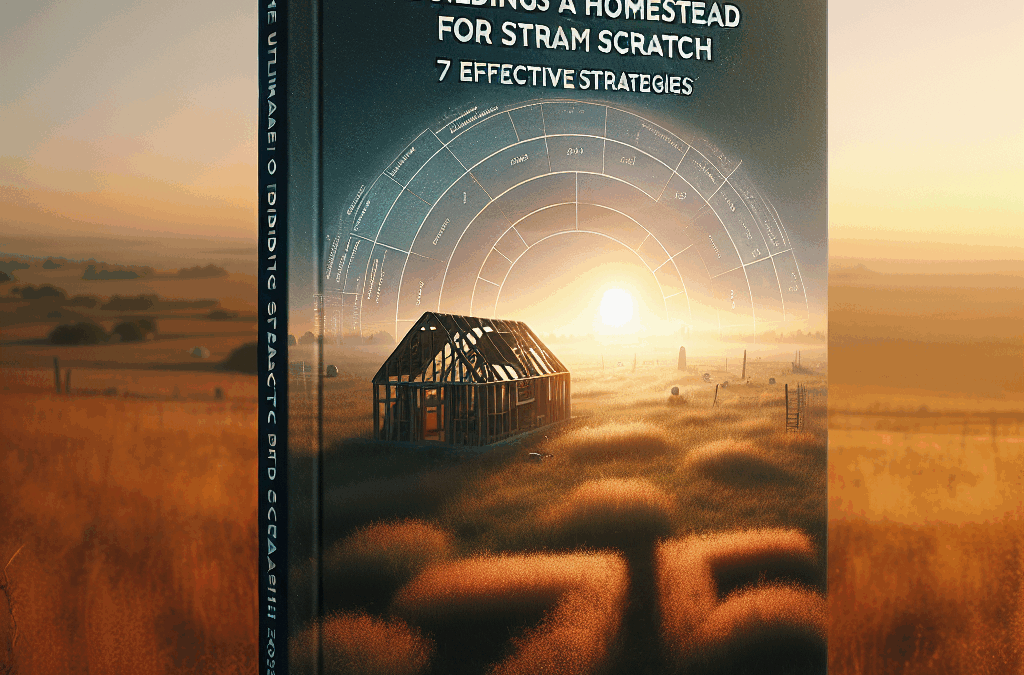
Starting a homestead from scratch is an exciting journey toward self-sufficiency and sustainable living, especially in 2025 when awareness of ecological issues continues to grow. If you’re considering embarking on this path, understanding the fundamental steps is crucial. Building a homestead from scratch involves more than just assembling structures; itâs about creating a resilient, eco-friendly lifestyle tailored to your land, climate, and personal goals. In this comprehensive guide, Iâll share 7 effective strategies that will help you succeed in building your dream homestead in 2025.
1. Assessing Your Land and Climate
Understanding Your Land’s Features
Before diving into building a homestead from scratch, you must thoroughly assess your land’s topography, soil quality, and natural resources. This step is vital because it influences your water management, crop choices, and building placements. For example, well-draining land avoids flood risks, while rich soil reduces the need for imports.
Take time to walk your property, noting areas of elevation, shade, and exposure to sunlight. Use tools like soil test kits to determine pH levels and nutrient content. The data gathered will guide your decisions on what to plant, where to build, and how to optimize your land use in 2025’s environmental conditions.
Furthermore, consider existing natural features, such as streams or wooded areas, which can serve as resources for water or materials. Understanding your landâs natural characteristics helps in building a sustainable and efficient homestead from scratch.
Climate Considerations for 2025
Climate plays a pivotal role in building a homestead from scratch. With climate change leading to unpredictable weather patterns, planning for resilience is essential. In 2025, many homesteaders are adjusting to shifting growing seasons, increased storm frequency, and temperature variations.
Research your local climate data, including frost dates, rainfall patterns, and wind exposure. Employing adaptive strategiesâlike choosing climate-tolerant crops or installing windbreaksâcan ensure your homestead remains productive and resilient.
Invest in climate-smart infrastructure, such as greenhouses or reforestation efforts, to stabilize microclimates on your property. These steps will maximize your success in building a homestead from scratch in 2025.
2. Planning Your Homestead Layout
Designing for Efficiency and Sustainability
Once you’ve assessed your land, the next step in building a homestead from scratch is creating a detailed layout. Consider zones for gardens, livestock, renewable energy, and living spaces. The goal is to maximize efficiency while minimizing environmental impact. For example, placing gardens downhill from water sources improves irrigation, and orienting buildings for passive solar heating reduces energy costs.
Using tools like CAD software or even simple sketches can help visualize your layout. Think about future expansion and adaptabilityâbuilding modular structures allows for modifications as your homestead grows.
In 2025, incorporating permaculture principles is highly recommended. These practices promote a sustainable, self-sufficient system that reduces pests, conserves water, and boosts productivity.

Legal and Zoning Requirements
Before finalizing your layout, check local zoning laws and building codes. Different municipalities may have restrictions on building types, land use, and livestock. Ensuring compliance prevents costly violations and legal issues down the line.
Many areas in 2025 are updating regulations to support homesteaders and sustainable farming. Contact local planning offices or consult with a legal expert to understand requirements concerning building permits, water rights, and environmental protections.
Proper planning respects both your goals and community standards, setting a solid foundation for your homestead from scratch.
Conclusion
Building a homestead from scratch in 2025 is an inspiring endeavor that embodies self-sufficiency, resilience, and environmental stewardship. By carefully assessing your land and climate, designing an efficient layout, securing funding, and implementing sustainable practices, you set the stage for a successful homestead. Remember, each step along the way is a valuable learning experience that brings you closer to a life rooted in nature and independence.
Whether you’re a novice or an experienced homesteader, the key to success is planning, adaptability, and community support. As you begin this journey, keep in mind that building a homestead from scratch in 2025 is not just about creating a farmâit’s about cultivating a resilient and fulfilling lifestyle.
Frequently Asked Questions
1. What are the fundamental steps for building a homestead from scratch?
The key steps include assessing land and climate, planning your layout, securing funding, selecting sustainable building materials, and developing systems for water, energy, and food production.
2. How can I ensure my homestead is environmentally sustainable in 2025?
Use renewable energy sources like solar power, implement rainwater harvesting, practice organic farming, and reduce waste through composting and recycling. Incorporating permaculture principles also boosts sustainability.
3. What are the best practices for growing food on a new homestead?
Start with soil testing and choosing climate-appropriate crops. Use crop rotation, organic fertilizers, and companion planting to maximize yields naturally. Preserving your harvest ensures year-round food security.
4. How do I get started with raising livestock responsibly?
Select animals suited to your land and climate, ensure proper shelter and nutrition, and adhere to humane practices. Learning about local regulations and sustainable animal husbandry is crucial for success.
5. How does building a homestead from scratch benefit my life in 2025?
It promotes self-sufficiency, reduces dependence on external systems, and enhances your environmental impact. Plus, it fosters a healthier, more connected lifestyle with nature.