1. Embrace Sustainable Gardening Techniques
Building Resilient Gardens
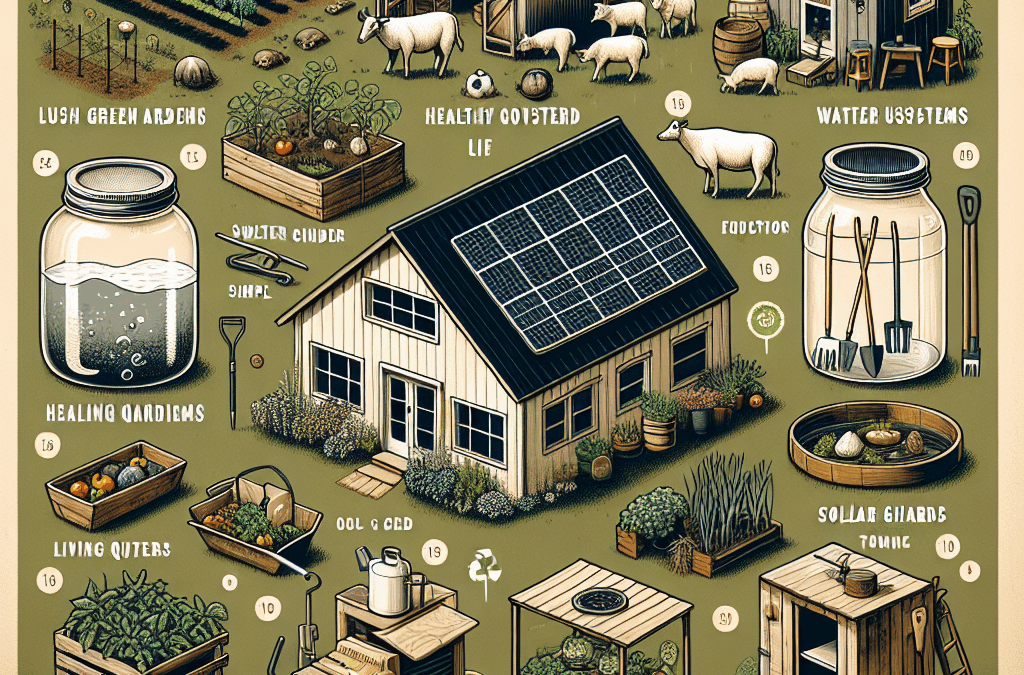
The foundation of a simple homesteading life in 2025 starts with sustainable gardening. Growing your own vegetables and herbs reduces reliance on commercial food sources and enhances food security. Implementing practices like crop rotation, composting, and companion planting can significantly boost soil health and plant yield. Resilient gardens are also better at adapting to changing weather patterns, which are expected to become more unpredictable in 2025.
For example, planting cover crops like clover or rye during off-seasons enriches the soil naturally, decreasing the need for chemical fertilizers. This aligns with the trends in sustainable agriculture for 2025, where eco-friendly practices are more valued than ever. By focusing on building resilient gardens, homesteaders can ensure a steady food supply throughout the year.
In my experience, starting small with container gardens and expanding gradually allows beginners to build confidence in sustainable gardening methods. Using heirloom seeds also preserves genetic diversity and ensures that you can save seeds year after year, strengthening your self-sufficiency.
Tools and Resources for Sustainable Gardening
Investing in quality gardening tools like organic composters, drip irrigation systems, and heirloom seeds can make sustainable gardening more efficient. Many homesteaders in 2025 are turning to smart sensors and weather apps to optimize watering schedules, saving water and energy.
Additionally, online courses and local workshops are great resources for learning permaculture principles, which emphasize designing agricultural ecosystems that mimic natural systems. These methods serve as the backbone of a simple homesteading life built on sustainability.
Consider joining local gardening clubs or online forums to exchange seeds and tips. Community support is vital as you transition to more eco-friendly practices that contribute to a simple homesteading life.
2. Build a Renewable Energy System
Solar Power for Homesteads
In 2025, shifting to renewable energy remains one of the top priorities for a simple homesteading life. Installing solar panels can significantly reduce energy costs and carbon footprint. Many homesteaders are now investing in decentralized solar systems, which provide reliable power even during grid outagesâcrucial for rural areas where grid access might be limited or unreliable.
For a typical homestead, a small to medium solar setup can meet most needs, including lighting, refrigeration, and basic appliances. Battery storage solutions have become more affordable, allowing homeowners to store excess energy generated during the day for use at night.
I recommend conducting an energy audit before installation to size your system appropriately. Many innovative apps and online calculators can help you estimate your energy needs and design an optimal setup.
Additional Renewable Options
Besides solar, wind turbines and micro-hydro systems are gaining popularity in 2025 for their ability to supplement energy needs. Combining multiple renewable sources can create a resilient energy system that enhances the simplicity and self-sufficiency of your homestead.
Investing in efficient appliances and LED lighting further reduces energy consumption, making your simple homesteading life more sustainable and affordable.
Remember, transitioning to renewable energy not only supports environmental goals but also simplifies daily life by reducing dependence on external utility companies.

3. Cultivate a Self-Sufficient Food Pantry
Preserving Your Harvest
In 2025, building a self-sufficient food pantry is essential for embracing a simple homesteading life. Preserving your harvest through canning, drying, and fermenting helps provide food through winter and lean months. Learning these skills early ensures food security and reduces grocery bills.
For example, I love to store jars of home-canned tomatoes, pickles, and jams. Drying herbs and fruits is another excellent way to preserve flavors and nutrients. Modern dehydration equipment makes this process efficient and accessible even for beginners.
Many homesteaders are now incorporating root cellars or insulated cold storage spaces to extend the shelf life of produce without electricity, aligning with a sustainable lifestyle in 2025.
Growing for Preservation
Selecting crop varieties that store well and are suitable for your climate ensures a successful preservation process. Focus on high-yield vegetables like potatoes, carrots, and squashes, which can be stored for months without refrigeration.
Integrating cold-hardy plants and succession planting maximizes your growing season, ensuring a steady supply for your pantry. Record keeping and planning your planting schedule can lead to more efficient harvests over the coming years.
Developing a well-stocked food pantry guarantees that your simple homesteading life remains independent and resilient against supply chain disruptions, which are still prevalent in 2025.
Conclusion
In 2025, embracing a simple homesteading life has never been more achievable or rewarding. By adopting sustainable gardening, renewable energy, and self-sufficient food practices, you can create a lifestyle that is not only environmentally friendly but also deeply fulfilling. Remember, the key to thriving in your homestead is simplicity, resilience, and enjoyment of the process. Start small, stay consistent, and watch your homestead flourish into a haven of sustainability and self-reliance in 2025. Here’s to your successful journey toward a simple homesteading life!
Frequently Asked Questions
1. What are the best practices for a simple homesteading life in 2025?
Focus on sustainable gardening, renewable energy use, preserving your harvest, and building resilience into your homestead systems. Prioritize simplicity and self-sufficiency.
2. How can I start transitioning to renewable energy on my homestead?
Begin with an energy assessment, then consider installing solar panels or small wind turbines. Use energy-efficient appliances and explore battery storage options for backup and independence.
3. What are effective ways to preserve food for a simple homesteading life?
Canning, drying, fermenting, and storing in root cellars are popular methods. Proper planning and record-keeping help maximize storage and minimize waste.
4. Why is sustainable gardening important for a simple homesteading life?
Sustainable gardening helps improve soil health, reduces chemical usage, and ensures a reliable food supply, all essential facets of a self-sufficient lifestyle in 2025.