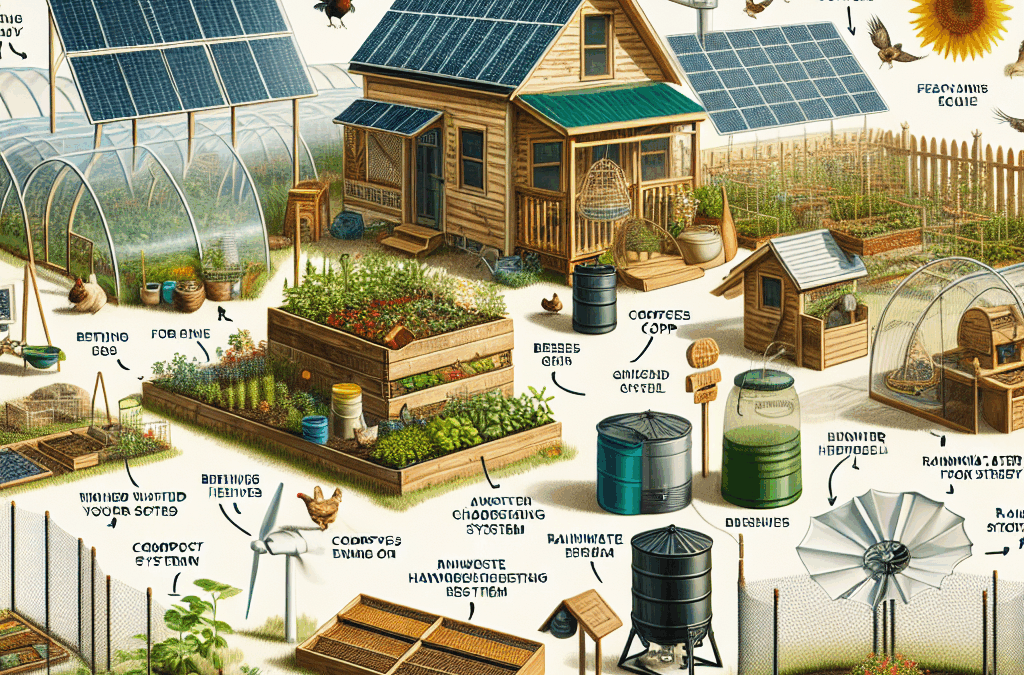
- 1. Assess Your Space and Set Clear Goals
- 2. Plan Your Garden Layout Strategically
- 3. Choose the Right Livestock for Your Homestead
- 4. Implement Sustainable Water Management
- 5. Optimize Soil Health and Fertility
- 6. Build Efficient Shelter and Structures
- 7. Incorporate Renewable Energy Sources
- 8. Focus on Pest and Disease Prevention
- 9. Use Smart Technology for Monitoring
- 10. Plan for Future Expansion and Sustainability
1. Assess Your Space and Set Clear Goals
Understanding Your Property
Before diving into your backyard homestead setup, itâs crucial to assess the available space. Take measurements of your yard, noting areas with full sun, shade, and natural windbreaks. This initial step helps you plan where to place gardens, animal enclosures, and composting zones effectively. In 2025, many homesteaders leverage mapping tools or drones to get precise assessments â making planning more accurate and efficient.
Knowing your propertyâs limitations and strengths allows you to optimize every square foot. For example, small spaces might benefit from vertical gardening or raised beds, while larger plots can accommodate multiple crop zones and livestock areas.
Set clear, achievable goals for your backyard homestead setup. Are you aiming for self-sufficiency, supplemental income, or simply a relaxing hobby? Your goals influence plant choices, livestock options, and layout design. Defining these early helps create a focused, sustainable, and rewarding homestead in 2025.
Creating a Vision for Your Homestead
Visualize the ideal homestead you want to create. Do you envision lush vegetable beds, a chicken coop, or a small orchard? Sketching plans or creating digital designs can make your vision clearer. Modern tools like homestead planning apps are available now, providing 3D layouts and plant placement options.
By establishing a clear vision, you’ll better prioritize investments in soil, structures, and resources. It also helps prevent scope creep, ensuring your backyard homestead setup remains manageable and aligned with your goals.
Remember, adaptability is key. Your initial plan might need adjustments as you learn what works best in your specific environment. Flexibility keeps your homestead resilient and productive over time.
2. Plan Your Garden Layout Strategically
Design for Efficiency and Crop Rotation
Efficient garden layout maximizes productivity while reducing labor. In 2025, permaculture principles are increasingly popularâcreating zones that work together harmoniously. Place tall crops like tomatoes and corn in areas with the most sun, while root vegetables and leafy greens can go in shaded spots.
Effective planning also involves crop rotation to minimize soil depletion and pest issues. Rotating families of plants each season keeps your soil healthy and reduces the need for chemical interventions, aligning with sustainable backyard homestead setup practices.
Use companion planting strategies to naturally repel pests and enhance crop yields. For instance, planting marigolds near tomatoes can deter nematodes, creating a self-sustaining ecosystem that minimizes external inputs.
Utilizing Vertical Garden Systems
Vertical gardening is a game-changer for small backyard homesteads in 2025. Utilizing wall-mounted planters, trellises, and hanging gardens helps maximize space and improves air circulation, which can reduce disease pressure.
This approach allows you to grow herbs, strawberries, and even small-sized vegetables vertically, freeing up ground space for larger crops or livestock areas. Plus, vertical gardens can be aesthetically pleasing, adding beauty and functionality to your backyard setup.
Implementing vertical systems is cost-effective and scalable. Start with simple DIY projects, such as repurposed pallets or barrel planters, then expand as you gain experience and see success in your homestead setup.
3. Choose the Right Livestock for Your Homestead
Selecting Suitable Animals
Choosing livestock that fits your space, climate, and goals is essential. In 2025, many homesteaders prefer small, manageable animals like chickens, quail, or rabbits for eggs and meat. Larger animals like goats may also be an option if space allows.
Research the care requirements, lifespan, and common health issues for each species. Proper selection ensures your backyard homestead setup remains sustainable and enjoyable without overextending resources.
For example, dual-purpose chickens can provide both eggs and meat, making them a smart choice for small-scale homesteads. Similarly, miniature goats are suitable for limited space and can help control weeds while providing milk.
Creating Comfortable Shelter and Enclosure
Proper shelter is vital for animal health and productivity. In 2025, many homesteaders are adopting sustainable structuresâusing recycled and eco-friendly materials. Design shelters that are weatherproof, well-ventilated, and predator-proof.
Set the appropriate sizeâovercrowding causes stress and health issues. Provide clean bedding, fresh water, and ample space for each animal. Implement rotational grazing and pasture management to prevent overgrazing and maintain healthy ground conditions.
Start small, and scale your livestock as your backyard homestead setup grows. Good planning at this stage ensures animals thrive and contribute positively to your homestead ecosystem.
4. Implement Sustainable Water Management
Rainwater Harvesting Systems
One of the most vital aspects of a successful backyard homestead setup in 2025 is efficient water management. Installing rainwater harvesting systems allows you to capture, store, and use natural rainfall for your gardens and animals.
Simple setups include gutter systems connected to storage tanks or barrels. These systems reduce reliance on municipal water sources and support eco-friendly practices, cutting water bills and conserving resources.
Recent innovations in rainwater harvesting involve filtration and UV treatment, ensuring water quality for both plants and livestock. Properly maintained, these systems can meet a significant portion of your water needs throughout the year.
Water Conservation Techniques
Water-wise gardening techniques are increasingly popular for backyard homesteads in 2025. Mulching and drip irrigation can reduce water use by up to 50% compared to traditional sprinkler systems.
Creating contour beds and swales helps direct water to where it’s needed most, minimizing runoff and erosion. These strategies support a resilient and sustainable backyard homestead setup that conserves vital water resources.
Educating yourself on local drought conditions and seasonal patterns ensures your water management plan remains effective year-round. Being proactive can prevent shortages, especially during dry summers.
5. Optimize Soil Health and Fertility
Soil Testing and Amendments
Healthy soil is the foundation of a thriving backyard homestead setup in 2025. Start with a comprehensive soil test to determine pH and nutrient levels. Based on results, amend your soil with organic matter, compost, and mineral supplements.
Incorporating composting practices ensures a continuous supply of rich humus, promoting microbial activity and soil structure. Regularly testing and amending soil keeps your garden productive and resilient against pests and diseases.
Many new homeowners in 2025 are adopting biochar, worm castings, and cover crops to boost soil fertility naturally, reducing dependence on synthetic fertilizers.
Using Cover Crops and Mulching
Cover crops like clover or vetch protect soil from erosion, fix nitrogen, and improve soil structure. Planting these during fall or off-season enriches your land, preparing it for future crops.
Mulching around plants conserves moisture, regulates soil temperature, and suppresses weeds. Organic mulches such as straw, wood chips, or leaves are environmentally friendly choices for a sustainable backyard homestead setup.
Practicing crop rotation and cover cropping ensures long-term soil health, which directly correlates with higher yields and a more sustainable homestead in 2025.
6. Build Efficient Shelter and Structures
Smart Design and Material Selection
Well-designed shelters improve animal well-being and reduce maintenance. In 2025, many homesteaders prefer eco-friendly, durable materials like reclaimed wood, recycled plastics, or insulated panels.
Design structures with ventilation, natural lighting, and predator-proofing in mind. Consider modular setups that can expand as your needs grow, making your backyard homestead setup adaptable and cost-effective.
Adding shade and windbreaks enhances comfort for animals and plants alike, particularly during changing weather patterns in 2025.

DIY Building Tips and Cost Savings
Building your own structures saves money and allows customization. Use plans available online and adapt them to your specific needs. Focus on simple, sturdy designs that require minimal maintenance.
Incorporate renewable and recycled materials to decrease environmental impact. Regular maintenance ensures longevity, protecting your investment and keeping your homestead setup efficient over time.
Engaging local communities or online homesteading groups can provide valuable tips, discounts, and support for your building projects.
7. Incorporate Renewable Energy Sources
Solar Power Integration
In 2025, renewable energy plays a key role in sustainable backyard homestead setup. Installing solar panels on barns or shed roofs provides clean power for water pumps, lighting, and small appliances.
Begin with a basic solar setup, then expand as your homestead grows. Solar batteries store excess energy, ensuring power availability during cloudy days or at night.
Taking advantage of government incentives or rebates can offset initial costs, making solar energy a smart, eco-friendly investment for long-term savings.
Alternative Energy Solutions
Other renewable options include small wind turbines, especially if you have consistently breezy conditions. Micro-hydro systems might be feasible if your property has a nearby stream or creek.
Integrating multiple renewable sources enhances energy resilience and independence, aligning with a sustainable backyard homestead setup in 2025. It reduces reliance on fossil fuels and supports eco-conscious living.
Smart energy monitoring systems help optimize usage and efficiency, further reducing your environmental footprint and energy costs.
8. Focus on Pest and Disease Prevention
Integrated Pest Management (IPM)
Proactively managing pests and diseases is vital for a healthy backyard homestead setup. In 2025, IPM techniques emphasize natural and biological controlsâreducing chemical reliance.
Encourage beneficial insects like ladybugs and parasitic wasps, plant pest-repelling plants, and maintain healthy soil to naturally suppress pests.
Regular monitoring and early intervention prevent infestations from escalating, saving time, money, and maintaining an eco-friendly approach.
Disease Resistance and Plant Selection
Select disease-resistant plant varieties suited to your climate to ensure resilience. Rotating crops and practicing proper sanitation also minimize disease risks.
Implementing cover crops and proper watering practices reduces stress on plants, making them less susceptible. Staying informed about pest trends and weather patterns in 2025 helps anticipate and prevent outbreaks.
A proactive disease prevention strategy supports a robust backyard homestead setup that remains productive throughout the year.
9. Use Smart Technology for Monitoring
Smart Sensors and IoT Devices
In 2025, integrating smart technology into your backyard homestead setup is easier and more affordable than ever. Sensors measure soil moisture, temperature, and humidity, providing real-time data to tailor your watering and care schedules.
IoT devices can alert you to changes or issues, such as pest activity or equipment malfunctions. These tools lead to more precise, efficient management of your homestead resources.
Investing in smart tech boosts productivity and sustainability, reducing waste and energy usage, aligning with modern homesteading practices.
Automation and Data Management
Automated systems can control irrigation, lighting, and climate conditions, freeing you up for other tasks. Data logging helps track trends and informs future planting or livestock decisions.
By adopting automation, even small-scale home growers can optimize yields and animal health without constantly monitoring every aspect manually.
In 2025, combining smart technology with traditional practices creates a resilient, efficient, and highly productive backyard homestead setup.
10. Plan for Future Expansion and Sustainability
Scalable Infrastructure
Design your backyard homestead setup with scalability in mind. Use modular structures, expandable water systems, and versatile planting beds to add new elements over time.
Think long-term about soil regeneration, renewable energy capacity, and potential livestock or crop diversification. Planning ahead prevents costly redesigns and facilitates smooth growth.
2025 trends indicate more homesteaders are investing in resilient infrastructure that adapts to climate challenges and evolving personal goals.
Sustainable Practices for Longevity
Sustainability lies at the core of a successful backyard homestead setup. Incorporate crop diversity, organic fertilizers, composting, and renewable energy to reduce environmental impact.
Stay informed about new techniques, community resources, and government support for sustainable practices. Participating in local homesteading groups can provide valuable insights and collaboration opportunities.
By planning for future expansion and emphasizing sustainability, you set your homestead on a path of resilience, productivity, and harmony with nature in 2025 and beyond.
Frequently Asked Questions about Backyard Homestead Setup in 2025
Q1: What is the most important aspect of a backyard homestead setup in 2025?
The most important aspect is planning your space carefully to align with your goals, whether it’s food production, sustainability, or recreation. Proper assessment and design set the foundation for success.
Q2: How can I start a backyard homestead with limited space?
Use vertical gardening, container planting, and tiered beds to maximize limited space. Focus on high-yield crops and small livestock like rabbits or quail to get the most out of your homestead setup.
Q3: What are the best sustainable practices for new homesteaders?
Incorporate organic gardening, rainwater harvesting, composting, and renewable energy sources. These practices reduce environmental impact and improve long-term viability.
Q4: How do I ensure my homestead setup is future-proof?
Design with scalability in mind, include renewable energy options, and adopt adaptable systems. Regularly update your knowledge and practices to stay current with new trends and technologies.
Q5: Why is the backyard homestead setup important in 2025?
It promotes self-reliance, sustainability, and connection with nature. A well-planned setup helps you achieve food independence, reduce carbon footprint, and enjoy a fulfilling homesteading lifestyle.
Conclusion
Creating an effective backyard homestead setup in 2025 requires careful planning, sustainable practices, and embracing new technologies. By following these 10 tips, you’ll be well on your way to building a resilient, productive, and enjoyable homestead that meets your needs today and adapts to future challenges. Remember, the key to success lies in thoughtful assessment, strategic design, and ongoing learning. With the right approach, your backyard can become a thriving hub of sustainability and self-sufficiency in 2025 and beyond.