
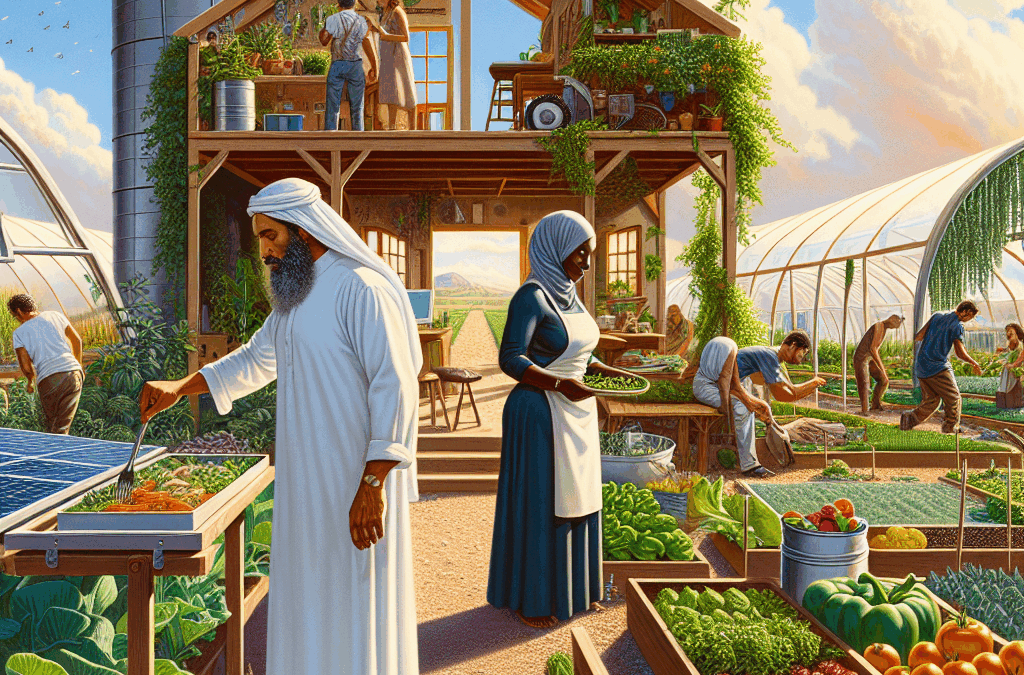
- 1. Embrace Sustainable Farming Practices
- 2. Invest in Renewable Energy Sources
- 3. Develop a Water Management System
- 4. Grow a Diverse Garden and Food Forest
- 5. Raise Livestock Responsibly
- 6. Use Technology to Enhance Efficiency
- 7. Build a Community Network
- 8. Prioritize Safety and Emergency Preparedness
- 9. Keep Learning and Adapting
- 10. Maintain a Positive Mindset and Purpose
1. Embrace Sustainable Farming Practices
Adopt Organic and Regenerative Techniques
Living on a homestead in 2025 means prioritizing the health of your soil and environment. Organic farming methods, such as composting, crop rotation, and cover cropping, are more important than ever. These techniques not only improve soil fertility naturally but also reduce dependency on chemical inputs. For example, farmers practicing regenerative agriculture report increased resilience to extreme weather events, which are predicted to become more frequent in 2025 (Source: USDA reports).
By focusing on soil health, you create a sustainable cycle of productivity. Implementing no-till farming and planting native varieties helps conserve moisture and nutrients. This approach reduces erosion and enhances biodiversity, making your homestead more self-sufficient and environmentally friendly.
Real-world experience shows that transitioning to organic methods can initially be challenging but yields long-term benefits such as improved crop yields, better tasting produce, and a healthier ecosystem. Start small, evaluate results, and gradually scale your sustainable practices for optimal success.
Benefits of Sustainable Practices in 2025
Sustainable farming reduces your homesteadâs ecological footprint and lowers long-term costs. As farmers shift towards more eco-friendly methods, data indicates increased crop resilience and nutrient density in produce. These practices also align with the growing consumer demand for organic and locally grown food, which can open new markets for your homegrown products.
In 2025, regulations and incentives support sustainable farming. Many governments offer grants or subsidies for implementing eco-friendly practicesâbe sure to research opportunities in your area to maximize support and resources.
2. Invest in Renewable Energy Sources
Solar Power for Self-Reliance
Harnessing solar energy is a game-changer for living on a homestead in 2025. With the declining costs of solar panels and battery storage, it’s more feasible than ever to make your homestead energy-independent. Solar panels can power everything from household appliances to farm equipment, significantly reducing utility bills and carbon footprint.
For example, a typical small-scale solar system can offset nearly 90% of your household electricity consumption. Invest in quality batteries to store excess energy for use during cloudy days or at night, ensuring continuous power supplyâcrucial for farm automation and security systems.
Some homesteaders also incorporate solar water heaters and outdoor lighting to further reduce reliance on grid power. The initial investment pays off quickly through energy savings and increased resilience in emergencies.
Wind and Water for Diversification
If your homestead is in a windy or waterways-rich location, exploring wind turbines or micro-hydro systems can provide additional renewable energy sources. These alternatives diversify your energy supply, reducing dependence on a single system.
Complementing solar with wind or hydro power enhances your homesteadâs energy resilienceâan essential aspect for survival and sustainability in 2025. Research local conditions carefully to choose the most effective renewable options for your site.
3. Develop a Water Management System
Rainwater Harvesting and Storage
Efficient water management is vital when living on a homestead. In 2025, rainwater harvesting systems have become standard for reducing reliance on municipal water sources. Installing gutter systems and large storage tanks allows you to collect and store rainwater for irrigation, cleaning, and even drinking if properly filtered.
Practicing water conservation and harvesting techniques can significantly lower your water bills and ensure a stable supply during droughts, which are expected to increase in frequency according to climate models.
Regular maintenance of your catchment systems ensures continued efficiency. Educate yourself on local regulations regarding rainwater collection to stay compliant and optimize your system’s performance.
Water Purification and Drainage
Ensuring safe drinking water involves installing filtration systems like UV purifiers or bio-sand filters. Proper drainage systems help prevent waterlogging and soil erosion, preserving your land’s productivity.
Strategically designing your homesteadâs water flow promotes healthy plant growth and reduces waste. Incorporating permaculture principles can further enhance water retention and infiltration, making your homestead more self-sufficient in 2025.
4. Grow a Diverse Garden and Food Forest
Vegetable and Herb Gardens
Growing a variety of vegetables and herbs ensures a steady supply of fresh food throughout the year. In 2025, embracing season extension methods like cold frames and greenhouses allows you to grow produce well into winter, increasing your self-sufficiency.
Crop diversity is key to pest and disease management. Rotate crops annually to prevent soil depletion and reduce pest buildup, making your garden more resilient.
Utilize native plants and heirloom varieties to boost biodiversity and flavor. Companion planting can also improve yields naturally and deter pests without chemical pesticides.
Establishing a Food Forest
A food forest mimics natural ecosystems and provides multiple layers of edible plants, including trees, shrubs, and groundcover. This long-term investment in your homesteadâs ecology yields low-maintenance, high-yield food sources.
In 2025, permaculture design principles guide the development of robust food forests that require minimal inputs over time. They also support local wildlife and pollinators, vital for healthy crops.
5. Raise Livestock Responsibly
Choosing the Right Animals
Selecting the appropriate livestock for your climate and space is essential. Common options include chickens for eggs, goats for milk, and heritage breeds of cattle or pigs for meat. Research breeds that adapt well to local conditions and have docile temperaments.
In 2025, animal welfare and ethical treatment are increasingly emphasized. Provide proper shelter, clean water, and appropriate nutrition to keep animals healthy and productive.
For small homesteads, integrated systems like chicken tractors or movable pens optimize space and manure management, enhancing sustainability.
Managing Livestock for Sustainability
Implement rotational grazing to prevent land degradation and improve soil health. Regularly plan pasture rotations that allow grasses to recover and reduce parasite buildup.
Utilize animal manure as a high-quality fertilizer for your garden and crops. Composting manure properly ensures you maintain a healthy, balanced soil ecosystem, completing a sustainable cycle.
6. Use Technology to Enhance Efficiency
Smart Homestead Technologies
2025 sees a rise in smart home and farm automation technology. From automated watering systems to temperature sensors, these tools help you monitor and manage your homestead efficiently.

Apps and remote sensors can alert you to issues like equipment failures or pest outbreaks early. This proactive approach minimizes losses and conserves resources.
Investing in these technologies can free up time and energy, allowing you to focus on other important aspects of living on a homestead.
Data-Driven Decision Making
Using farm management software and data collection systems helps you analyze growth patterns, weather data, and soil conditions. Informed decisions based on accurate data lead to higher yields and better resource management.
2025’s advances make it easier than ever to optimize planting schedules, water use, and crop choices for maximum productivity.
7. Build a Community Network
Local Skill-Sharing and Bartering
Living on a homestead doesnât mean going it alone. Building relationships with nearby farmers, gardeners, and homesteaders can be invaluable. Bartering goods and services strengthens your local economy and creates mutual support systems.
Participating in community events, co-ops, or online groups fosters connections and knowledge exchange. This network can provide assistance during emergencies or when trying new practices.
In 2025, digital platforms and social media groups make it easier to find and connect with like-minded hobbyists and professionals.
Shared Resources and Emergency Planning
Pooling resources like equipment, seeds, or tools reduces costs and promotes sustainability. Collaborative emergency plans ensure your community is prepared for weather events, power outages, or other crises.
Developing strong bonds with neighbors enhances resilience, making your living on a homestead experience more secure and fulfilling.
8. Prioritize Safety and Emergency Preparedness
Creating Emergency Plans
Having a clear plan for emergencies such as fire, medical issues, or natural disasters is essential. Maintain an emergency kit with supplies, medications, and important documents.
Regular drills and updates to your plan ensure everyone knows their role, minimizing chaos and response time during crises.
Living on a homestead in 2025 demands that you stay vigilant and prepared for unpredictable events, ensuring your safety and that of your family.
Implementing Farm Safety Measures
Proper training and safety equipment for handling animals, machinery, and chemicals reduce accidents. Clearly mark hazardous areas and store tools carefully to prevent injuries.
Invest in sturdy fencing, secure storage, and first aid supplies. These measures maintain a safe environment, allowing you to enjoy a healthy homesteading lifestyle.
9. Keep Learning and Adapting
Stay Informed on Trends and Technologies
The world of homesteading evolves rapidly. Regularly read books, attend workshops, or watch online tutorials related to sustainable living, permaculture, and new farm technologies.
In 2025, embracing innovation while respecting traditional practices offers the best path to success. Learning from othersâ experiences helps you avoid pitfalls and discover new opportunities.
Continuing education ensures that your living on a homestead remains productive, sustainable, and enjoyable.
Experiment and Iterate
Donât be afraid to test new approaches or crop varieties. Keep a journal of successes and failures to refine your methods over time.
This adaptive mindset allows you to respond effectively to changing conditions, pests, or climate impacts, making your homestead more resilient.
10. Maintain a Positive Mindset and Purpose
Fostering Mental and Emotional Well-being
Living on a homestead requires physical effort and patience. Cultivating gratitude and a positive outlook helps you stay motivated during tough times.
Celebrate small victories, like harvesting your first batch of vegetables or seeing new chicks hatch. These moments reinforce your purpose and keep your spirits high.
Connecting with nature and living intentionally leads to a fulfilling lifestyle in 2025 and beyond.
Aligning Actions with Your Values
Living on a homestead is about more than self-sufficiency; itâs about aligning your daily actions with your values of sustainability, community, and health. Regular reflection ensures your efforts remain meaningful and rewarding.
Sharing your journey with others, whether through social media or local demonstrations, can inspire and strengthen your commitment to this lifestyle.
Conclusion
Adopting these ten effective tips will guide you toward a successful, sustainable, and fulfilling life living on a homestead in 2025. This lifestyle offers unparalleled connection to nature, independence, and community, especially as new challenges and opportunities arise in the coming years. Remember, living on a homestead isnât just about growing food and raising animalsâitâs about creating a resilient, self-reliant living space that sustains both your family and the environment. Embrace these strategies, stay flexible, and enjoy the rewarding journey of homesteading in 2025!
Frequently Asked Questions
- 1. What are the best crops to grow in 2025 for a homestead?
- Choose climate-appropriate, nutrient-dense crops such as heirloom vegetables, medicinal herbs, and perennial fruits. Focus on diversity and season extension to maximize yields.
- 2. How can I make living on a homestead more sustainable?
- Implement regenerative farming practices, invest in renewable energy, manage water efficiently, and prioritize local trade and community support.
- 3. What livestock is easiest to raise on a small homestead?
- Chickens are among the easiest, providing eggs and meat. Goats for milk and small heritage breeds of pigs and cattle are also popular options.
- 4. How do I start living on a homestead in 2025?
- Begin with educationâattend workshops or online coursesâplan your land, develop a budget, and start small with manageable projects like a vegetable garden and chicken coop.
- 5. What safety precautions should I consider for living on a homestead?
- Establish emergency plans, secure fencing, handle chemicals and animals properly, and maintain safety equipment to protect yourself and your family.


