
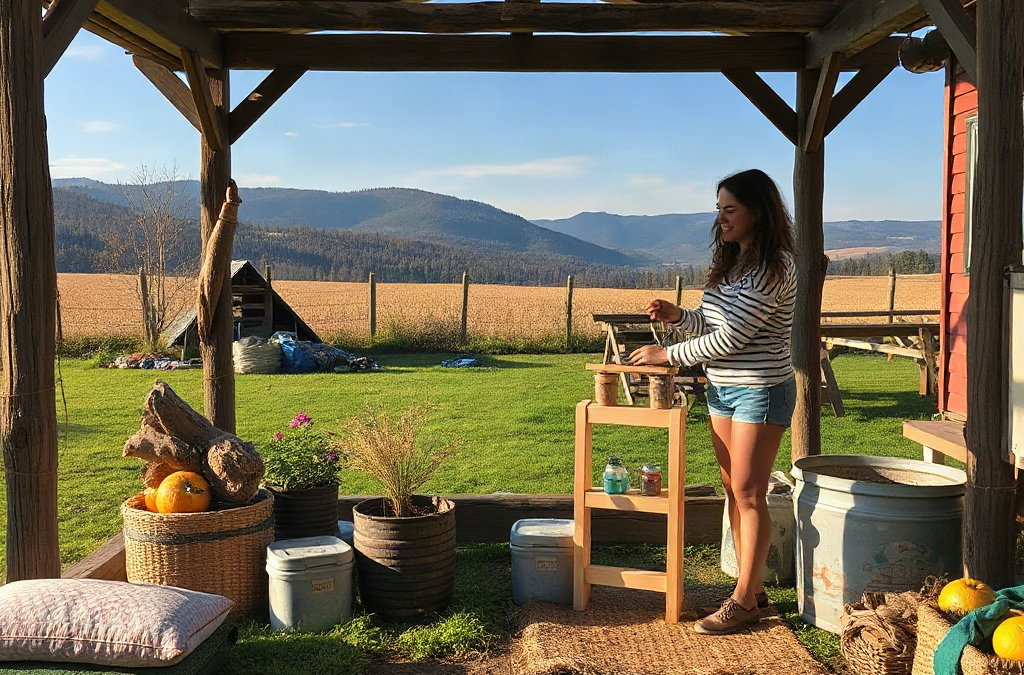
First-time homesteader priorities for the opening year should center on dependable water, safe shelter, soil and drainage assessment, manageable food production, and a budget that preserves money for repairs. Begin by documenting seasonal conditions and testing essential systems before adding livestock or building a large garden. Choose one modest production project, such as laying hens or a fenced kitchen garden, and track its labor, feed, water, and maintenance demands. Delay expensive barns, multiple animal species, and major land alterations until you understand winter access, summer water use, predator pressure, local rules, and the daily workload your property can realistically support.
What Must Be Secured Before Production Begins?
Reliable household systems deserve attention before gardens, poultry, orchards, or attractive outbuildings. Confirm how drinking water is supplied, where electrical shutoffs are located, how wastewater is handled, whether roofs shed water correctly, and which roads or paths remain usable after heavy rain. A homestead cannot operate smoothly when a failed pump, blocked culvert, leaking roof, or inaccessible driveway consumes the money and time reserved for food production.
Test each system under ordinary operating conditions rather than relying on a seller’s statement or a brief inspection. Run multiple faucets and note changes in pressure. Trace exposed water lines, identify vulnerable outdoor connections, and learn how to isolate a leak. Watch where roof runoff lands and whether it moves away from foundations, animal areas, and proposed garden ground. If the property uses a private well or septic system, keep service records and use qualified local professionals for testing, diagnosis, or repair.
Access is part of the same priority. A lane that looks sound in dry weather may soften during spring thaw or funnel runoff during a storm. Delivery trucks, emergency vehicles, feed suppliers, and waste-service vehicles need adequate clearance and a stable turning area. Before ordering gravel or reshaping a ditch, observe water movement and check whether local permits, easements, or drainage restrictions apply. Moving water onto a neighboring property or public road can create a larger problem than the one being corrected.
A practical first-month inspection should cover a short set of operational questions:
- Water: Where does it originate, how is it shut off, and what stops working during an outage?
- Shelter: Are roofs, foundations, chimneys, and exterior doors weather-tight?
- Waste: Where are septic components, trash storage, compost, and manure likely to go?
- Access: Which routes must remain open in mud, snow, darkness, or an emergency?
- Backup: Which failures require stored water, alternate heat, lighting, or professional help?
The common mistake is treating infrastructure as unproductive spending while directing the budget toward visible projects. A repaired drainage route or protected water line may not produce a harvest, but it prevents interruptions that can endanger plants, animals, and the household. Signs of progress are fewer emergency purchases, labeled controls, documented service contacts, and a clear response for likely failures. Recurring leaks, unexplained electrical trips, standing water, or chronic access problems signal that expansion should wait.
How Should You Read the Property Through the Seasons?
A full year of observation reveals conditions that a survey, listing photograph, or single soil test cannot show. Sun angles shift, wet ground expands and contracts, prevailing winds change, wildlife follows seasonal routes, and frost settles unevenly. Mapping those patterns before installing permanent fences, trees, or buildings reduces the chance of placing an expensive feature where water collects or winter exposure is strongest.
Keep a property notebook or digital map with dated observations. Mark standing water after storms, the first and last areas to lose snow, pockets that frost earlier than nearby ground, summer shade, compacted traffic routes, and locations where deer or other wildlife enter. Photograph the same viewpoints every month. A repeated image often shows gradual changes in vegetation and drainage more clearly than memory does.
Soil evaluation should combine simple field observations with appropriate testing. Dig several inspection holes rather than judging the entire acreage from one spot. Compare topsoil depth, texture, roots, stones, odor, and the speed at which water drains. For crop planning, a soil laboratory or local extension service may provide instructions for representative sampling and suitable amendments. Avoid spreading lime, fertilizer, or manure simply because neighboring land receives it; different beds and fields can have different needs, and excess amendments waste money or create nutrient-management problems.
Consider a low area that appears lush in July. It may seem ideal for vegetables, yet spring photographs could show pooled water and delayed soil warming. Raised beds might make a small portion usable, while a better-drained site may require less construction and maintenance. Conversely, the driest summer slope may demand more irrigation than a gently graded site with deeper soil. The decision is not merely wet versus dry; it is whether drainage, sunlight, access, and water supply align with the intended use.
Permanent changes should follow repeated evidence. Use temporary stakes to outline a garden, portable fencing to test an animal area, and movable storage where feasible. If daily routes become muddy, shade arrives too early, or hoses must cross vehicle lanes, adjust the layout before concrete, buried utilities, or orchard trees make correction difficult. A useful property map becomes more accurate with every season and turns observation into a basis for spending rather than an excuse for indefinite delay.
Which Food Project Belongs in the First Year?
The best opening-year food project is small enough to maintain during bad weather, illness, travel, and peak maintenance periods. A compact garden, a few laying hens where permitted, or several carefully chosen perennial plants usually teaches more than launching livestock, an orchard, and a large vegetable plot at once. The objective is to complete an entire production cycle and learn its true demands, not to imitate a mature homestead immediately.
Choose by evaluating daily care, startup cost, time to yield, storage needs, and failure consequences. A kitchen garden can begin with a few beds close to the house and a reliable water source. Crops regularly used in the household—such as beans, salad greens, culinary herbs, tomatoes, or storage squash suited to the local climate—are generally easier to value than an oversized planting chosen only for theoretical yield. Start with enough variety to learn, but not so much that harvesting and preservation become a second uncontrolled project.
Chickens add year-round obligations that vegetables do not. Secure housing, ventilation, feed storage, clean water, predator-resistant construction, manure management, and daily observation all need solutions before birds arrive. Local zoning or animal-keeping rules may restrict flock size, roosters, setbacks, or structures. Veterinary access and a plan for sick, injured, aging, or unwanted birds should be considered as part of ownership rather than after a problem develops.

Compare two first-year choices. Eight garden beds near the kitchen may require seasonal preparation, frequent summer attention, and a plan for surplus produce, but they can be reduced or left fallow next season. A goat project introduces fencing, shelter, companionship needs, feed, hoof care, and continuous responsibility; weak fencing can quickly affect neighbors and nearby roads. Goats may fit an established property, but they are rarely a sensible test project when boundaries, forage, winter feed storage, and household schedules remain uncertain.
Set an expansion threshold before beginning. Continue or enlarge the project only if routine care fits the weekly schedule, costs are recorded, infrastructure remains dependable, and harvests or animal products are actually used. Warning signs include skipped maintenance, repeated predator breaches, frequent emergency supply runs, unharvested crops, and reliance on unpaid labor that was never agreed upon. Scaling down is not failure; it preserves the ability to correct the system before multiplying its weaknesses.
How Do You Build a Realistic Operating Plan?
A first-year operating plan should connect money, labor, maintenance, and seasonal deadlines in one working document. Separate household repairs from production expenses so a garden fence does not consume funds needed for a well pump or heating repair. Keep a reserve for failures, then assign limited budgets to soil testing, tools, seed, fencing, feed, or other approved projects. Used equipment can reduce costs, but only when parts are available and the machine can be inspected safely.
Track recurring expenses as carefully as purchases. Feed, bedding, fuel, potting mix, replacement hose fittings, pest barriers, canning supplies, and hired services can make a seemingly inexpensive project costly over a year. Record labor too, even when no wage is paid. Ten minutes of care may be easy to absorb, while several short chores scattered across morning and evening can restrict work schedules and travel.
Build the calendar backward from seasonal constraints. Roof work and drainage corrections belong before the wet or cold season where practical. Garden fencing should be complete before seedlings are exposed. Firewood, winter feed, and freeze protection need attention before local demand and poor weather limit access. Tasks involving excavation, electrical service, wastewater systems, structural work, or land-use approval may require licensed contractors or permission from local authorities, so verify requirements before buying materials.
| Planning Window | Primary Focus | Evidence to Record |
|---|---|---|
| First 30 days | Utilities, safety, access, leaks, and urgent repairs | Shutoff locations, service history, defects, and contacts |
| Months 2–4 | Soil, drainage, sunlight, boundaries, and local rules | Test results, maps, photographs, estimates, and restrictions |
| Months 5–9 | One controlled food-production project | Labor, inputs, losses, harvest, and maintenance frequency |
| Months 10–12 | Winter performance and next-year decisions | Failures, operating costs, unused capacity, and needed repairs |
Review the plan monthly rather than waiting until year-end. Ask whether water use is higher than expected, whether routine chores fit normal weekdays, and which repairs keep returning. A successful plan produces fewer surprises and better records, not necessarily more projects. If bills are rising, maintenance is deferred, or temporary fixes are becoming permanent, freeze expansion and correct the bottleneck. The most costly assumption is that additional acreage, animals, or equipment will compensate for a weak operating system; growth usually amplifies whatever is already disorganized.
Frequently Asked Questions
What should a first-time homesteader do in the first month?
Locate utility controls, inspect water and wastewater systems, document urgent repairs, verify access, review property boundaries, and create a reserve budget before starting production projects.
Should livestock be added during the opening year?
Only when secure housing, fencing, stored feed, daily care, local permission, manure handling, and an appropriate animal-health contact are already arranged. Waiting is wiser when any of those systems remain uncertain.
How large should a first-year garden be?
Use a size that can be watered, weeded, harvested, and protected during the busiest week of summer. A few well-managed beds provide better planning evidence than a large plot that exceeds available labor.
Which homestead records are worth keeping?
Track rainfall observations, frost, standing water, soil results, planting dates, harvests, animal expenses, repair history, utility failures, labor time, and supplier or contractor contacts.
When is a homestead ready to expand?
Expansion makes sense when existing chores are completed reliably, maintenance is current, emergency funds remain intact, costs are understood, and the next project has adequate space, water, access, and time.
Conclusion
The opening year should leave the property more dependable and the household better informed. Secure water, shelter, drainage, waste systems, and all-season access before committing money to expansion. Record how sunlight, soil, weather, wildlife, and daily routes change through the seasons, then use those observations to place gardens, fences, and storage intelligently.
Select one production project that fits the available labor and budget, and measure its actual costs instead of judging it only by harvest or output. At year-end, retain what worked, correct recurring failures, and postpone additions that depend on unfinished infrastructure. A modest system that functions during difficult weeks is a stronger foundation than several ambitious projects held together by emergency purchases and temporary repairs.


