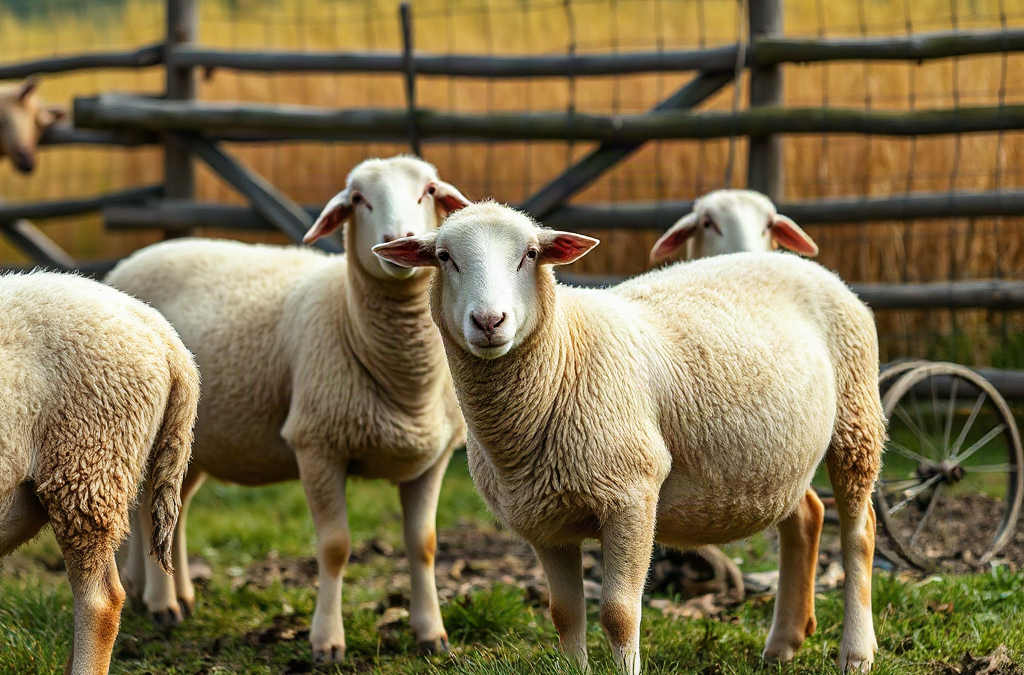
Homesteading sheep: costs, care, and uses depend mainly on purchase price, fencing, feed, health work, and whether the flock supplies meat, fiber, milk, manure, or breeding stock. A workable setup needs secure perimeter fencing, dry shelter, clean water, mineral access, routine hoof and parasite checks, and a plan for lambing or purchasing replacements. Pasture can reduce feed bills, but it does not remove winter hay, emergency-care, or infrastructure costs. Beginners usually do better with a small, manageable group and hardy local animals than with expensive specialty breeds chosen for appearance alone. Track feed, veterinary, shearing, and loss costs before expanding.
What Sheep Cost Before the First Purchase
The purchase price of a sheep is only one part of the startup budget. Fencing, shelter, handling equipment, water service, minerals, and a reserve for veterinary care often determine whether the flock remains affordable. A low-priced animal can become an expensive choice if it arrives with poor feet, chronic parasite problems, an unknown breeding history, or a body condition that requires extensive recovery.
Secure fencing deserves priority because sheep test weak spots constantly, especially when forage is sparse. Woven wire designed for livestock is more reliable than improvised garden fencing, while electric additions can discourage climbing and pressure at gates. The best fence depends on predators, terrain, and the number of animals; a small flock may justify a simpler layout, but temporary fencing must still be checked daily until its reliability is proven.
Shelter does not need to be elaborate. A well-drained three-sided shed can protect sheep from wind, prolonged rain, and summer heat if it has adequate space and dry bedding. Poor drainage creates muddy standing areas that raise hoof and hygiene problems. Water containers, gates, a feed trough, and a way to separate an injured or newly purchased animal are more useful than decorative barn features.
Budget in categories rather than relying on a single total:
- Infrastructure: perimeter fencing, gates, shelter, water lines, and a handling pen.
- Recurring feed: pasture management, hay, grain when justified, minerals, and bedding.
- Health and labor: hoof trimming, parasite monitoring, vaccinations where locally appropriate, shearing, supplies, and transport.
- Replacement and loss risk: breeding animals, culling, predator protection, and unexpected treatment.
A common mistake is to calculate feed from summer pasture alone. Hay prices, drought, winter length, and pasture damage can change the equation quickly. Before buying, price the amount of hay available locally, identify a veterinarian who handles small ruminants, and confirm where wool, hides, meat, or surplus lambs could realistically go. That exercise often favors a smaller initial flock and better infrastructure.
Daily Care, Housing, and Seasonal Work
Sheep care is manageable when routines are consistent and observations are specific. Every day, check appetite, movement, breathing, manure, water intake, and whether any animal is separated from the group. Sheep often conceal illness until they are significantly affected, so a quiet animal standing apart deserves attention even if it is not visibly injured.
Nutrition begins with usable forage, not a grain-heavy ration. Pasture quality changes with weather and grazing pressure, and sheep may need hay when plants stop growing or fields become too wet to protect. Clean water should be available without excessive algae, manure contamination, or freezing. Sheep also need a species-appropriate mineral program; mineral products designed for other livestock may contain unsafe amounts of certain elements, so read labels and ask a local livestock professional when in doubt.
Hoof care is a practical example of preventive work. Wet ground, overgrown hoof walls, and poor conformation can combine to cause lameness. A lame ewe may eat less, lose condition, and struggle to reach feed. Inspect feet on a schedule suited to the flock and environment rather than waiting for obvious limping. Use clean tools and seek veterinary help when there is swelling, severe odor, deep separation, or persistent lameness.
Parasite management also requires observation instead of automatic repeated dosing. Pasture rotation may reduce exposure in some systems, but it is not a complete solution, and resistance can develop when dewormers are used without a sound plan. Watch body condition, eyelid color, diarrhea, wool quality, and growth in young animals, then use local veterinary or extension guidance for testing and treatment decisions.
Seasonal work changes the labor pattern. Lambing brings close observation, clean bedding, colostrum concerns, and possible night checks. Shearing is a planned expense and a handling event, while winter increases dependence on hay and dry bedding. A newcomer may prefer hair sheep to avoid annual shearing, although hair breeds can differ in growth rate, carcass traits, and market demand. The failure mode to avoid is choosing an animal type by one convenient feature while ignoring the work created elsewhere.
Choosing Sheep for Meat, Fiber, Milk, or Manure
The most useful breed and flock decision follows the intended use. Meat sheep are selected for growth, conformation, maternal performance, and local market fit; fiber sheep require attention to fleece quality, shearing arrangements, and processing; dairy sheep add milking equipment, hygiene, and a demanding daily schedule. Sheep can provide several outputs, but every extra purpose adds management and marketing requirements.
For household meat, a small flock may supply lambs without requiring the owner to maintain a large breeding program. The tradeoff is that lambing, castration decisions, parasite control, and harvest arrangements still require planning. Buying feeder lambs can simplify breeding management, while keeping ewes may provide greater control over genetics and timing but adds ram management, pregnancy monitoring, and replacement decisions.
Fiber has value only when someone wants the particular wool. A beautiful fleece is not automatically a saleable product. Ask local spinners, fiber guilds, mills, or craft buyers what they accept before investing in specialty animals. Wool may be washed, skirted, spun, felted, or sold raw, and each step takes time. A homesteader who wants low processing labor may prefer a flock chosen for household use rather than commercial fiber volume.
Milk production is more specialized than many first-time owners expect. Milking sheep need suitable udders, calm handling, sanitation, a reliable milking schedule, and a plan for lambs and milk storage. Household dairy use also brings food-safety responsibilities and may be subject to local rules. Dairy sheep are a poor fit for someone who wants an occasional seasonal task; they suit a homestead prepared for daily care during lactation.
Manure is a useful byproduct when managed correctly. Bedding packs can contribute organic matter to fields after appropriate composting, but fresh manure placed heavily around crops can create nutrient imbalance, odor, runoff, or food-safety concerns. Sheep can also help convert pasture into fertility, yet grazing alone does not replace soil testing or a nutrient plan. Match the flock to the output you will actually use, and treat unsold products as a cost rather than assuming every byproduct has a market.

Related planning can be compared with Homesteading sheep: costs, care, and uses when deciding whether a mixed-livestock system fits available labor.
Building a Flock That Fits Your Homestead
A sensible flock begins with capacity, not ambition. Count usable grazing area, hay storage, shelter space, fencing boundaries, water points, and the hours available during lambing or bad weather. Sheep are social, so keeping a lone animal is usually a poor arrangement; a small compatible group is more practical than one sheep treated as a lawn-maintenance tool.
Purchase from a seller who can explain age, health history, feet, production record, lambing history, and recent management. Examine body condition and movement, and isolate newcomers according to a veterinary-informed biosecurity plan. Do not assume a large, heavily fleeced animal is healthier or more productive than a moderate-sized one. Sound feet, a functional mouth, calm handling, and adaptation to local climate are often more valuable than appearance.
Rams deserve special consideration. Keeping a ram can make breeding convenient, but it requires secure separation, safe handling, and feed through the nonbreeding period. Renting or borrowing a suitable ram may reduce capital costs, although it introduces transport, timing, and disease-control complications. Artificial breeding may be unsuitable for a small beginner flock if technical support is unavailable. Choose the method that matches your facilities and experience rather than the method that sounds most advanced.
Use a simple expansion test before adding animals:
- Confirm that the current flock has adequate forage or purchased hay through the hardest season.
- Set aside funds for routine health work and at least one unexpected problem.
- Record labor for feeding, fencing checks, bedding, handling, and product processing.
- Identify the next animals or products that have a real purpose and outlet.
Expansion is failing when pasture is continuously bare, hay disappears earlier each year, body condition declines, or routine handling is repeatedly postponed. Overstocking may appear profitable during a lush season but can increase parasite exposure, pasture damage, and winter feed purchases. Conversely, a very small flock may not justify specialized equipment or breeding complexity. Review records after one full seasonal cycle, then decide whether to hold numbers steady, improve the system, or expand.
For broader household planning, pair this decision with Homesteading sheep: costs, care, and uses rather than treating sheep as a stand-alone project.
For current husbandry details, consult your state university extension service, local small-ruminant veterinarian, and agricultural agencies such as the USDA. Local guidance is especially useful for parasite patterns, pasture conditions, animal-health schedules, meat processing options, and rules affecting dairy or direct sales.
Frequently Asked Questions
How many sheep should a beginner start with?
A small compatible group is usually more practical than a single sheep. Start with the number your fencing, hay budget, shelter, and daily schedule can support through winter, then expand after reviewing one full season of records.
Are sheep expensive to keep on a homestead?
Costs vary with land, climate, breed, hay prices, and health needs. Fencing and shelter create major startup expenses, while hay, minerals, bedding, veterinary work, shearing, and replacement animals drive ongoing costs.
Do sheep need grain?
Healthy adult sheep may meet much of their nutritional need from suitable forage and hay, but requirements change during pregnancy, lactation, growth, or poor pasture. Grain should be introduced carefully and selected with knowledgeable local advice.
Are hair sheep easier than wool sheep?
Hair sheep can remove annual shearing from the routine, but they still need fencing, nutrition, parasite monitoring, hoof care, and predator protection. Their growth, maternal traits, and local market value may differ from wool breeds.
What can homestead sheep be used for?
Depending on breed and management, sheep can provide meat, wool, milk, breeding stock, grazing, and compostable manure. Choose outputs with a realistic household use or buyer rather than assuming every product will offset expenses.
Conclusion
Sheep fit a homestead best when their daily care and seasonal costs are planned as carefully as their possible products. Build secure fencing, dry shelter, dependable water, and a safe handling area before increasing animal numbers. Then choose hardy stock suited to the local climate and a clearly defined purpose: household meat, usable fiber, dairy production, breeding, or managed grazing. Keep records for hay, health work, shearing, labor, lambing outcomes, and losses. Those figures reveal whether the flock is serving the property or quietly consuming its budget. Begin at a scale you can monitor closely, establish a relationship with a small-ruminant veterinarian, and expand only after the animals remain sound and the system works through its most demanding season.