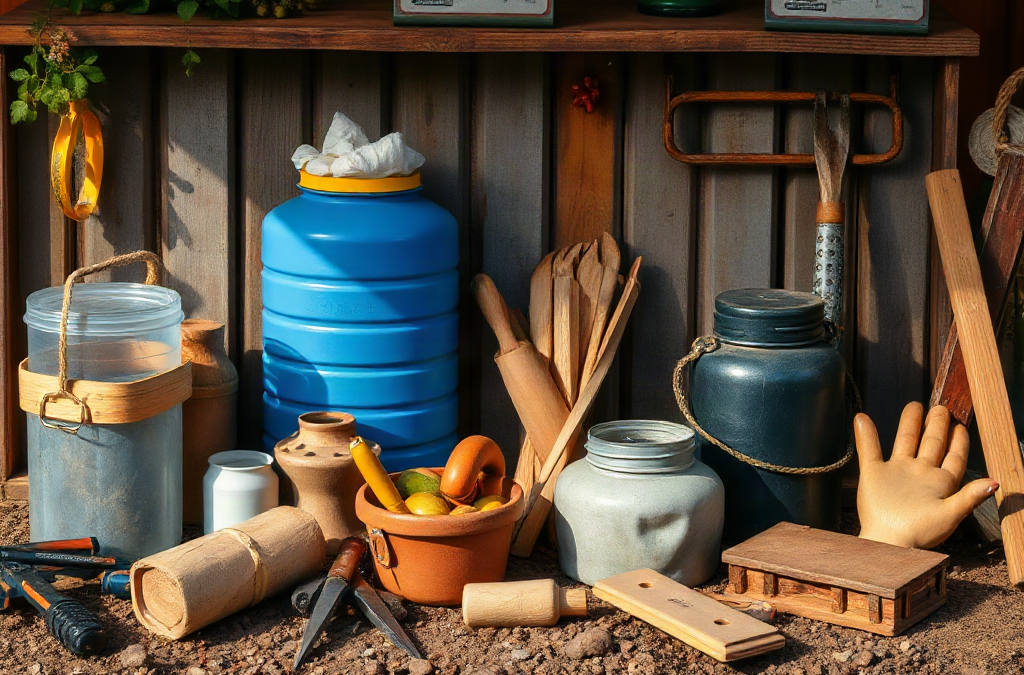
Homesteading must-haves for a functional start are dependable water storage, basic hand tools, food-growing supplies, shelter for equipment, first-aid materials, and a simple system for tracking chores and costs. Water access should be tested before buying livestock or planting heavily, while tools should match the soil, climate, and scale of the property rather than an imagined future operation. A small pantry, secure storage, fencing materials, and backup lighting reduce daily disruptions when weather or utility problems arise. Begin with a short list that supports water, food, sanitation, safety, and maintenance; expand only after those systems work reliably.
Build Around Water, Shelter, and Sanitation
A functional homestead begins with dependable water, weather protection, and sanitation rather than decorative features or specialized equipment. A potable-water container, food-safe storage barrels, a reliable hose, shutoff fittings, and a way to move water by hand can prevent a minor pump or power problem from becoming a serious disruption. If the property uses a well, cistern, spring, or municipal connection, learn how the system is powered, where it can fail, and how much stored water is realistically available.
Water needs differ sharply between a small garden and a property with poultry, livestock, or extensive food preservation. A few watering cans may be adequate for raised beds near the house, but they become inefficient when carrying water across uneven ground. Conversely, installing a large irrigation network before observing drainage, pressure, and seasonal demand can waste money. Test the system with empty beds and ordinary household use first. Look for leaks, low pressure, muddy access routes, and fittings that cannot be repaired with parts available locally.
Basic sanitation supplies deserve equal attention. Keep heavy-duty gloves, covered waste containers, cleaning brushes, unscented soap, disinfecting supplies appropriate to the task, and a hand-washing station near animal areas or garden work zones. Cleanable surfaces and dry storage matter more than buying large quantities of disposable products. A shed with a roof, raised shelving, and ventilation will protect feed, seed, tools, and preserved foods from moisture and pests better than an expensive but poorly placed outbuilding.
A common mistake is treating shelter as an optional upgrade. Rain, ultraviolet exposure, rodents, and freezing temperatures shorten the life of equipment and can spoil supplies before they are used. Start with a secure, dry area that has locks, shelves, and enough clearance to inspect everything. The homesteading must-haves for a functional start should reduce exposure to preventable failures, not simply increase the amount of gear on the property.
Choose Tools That Match the Property
The most useful homesteading tools are durable, repairable, and suited to the land’s actual conditions. A digging shovel, garden fork, rake, hoe, pruning saw, hand pruners, wheelbarrow, measuring tape, level, hammer, adjustable wrench, pliers, screwdrivers, utility knife, and sharpening tool cover a wide range of early work. Select handles that fit the user, blades that can be maintained, and designs that do not depend on proprietary batteries or fragile plastic parts for ordinary tasks.
Tool choice should follow the job, not a catalog category. Heavy clay may justify a stronger digging bar or narrow spade, while rocky ground can quickly damage a lightweight garden shovel. A long-handled hoe may be efficient between rows but awkward in densely planted beds. A wheelbarrow with one wheel turns tightly, whereas a two-wheel model is often steadier on slopes. Neither is universally better; the right choice depends on paths, loads, storage space, and the user’s ability to control it safely.
Maintenance supplies are part of the tool kit. Keep files, sharpening stones, penetrating oil, spare fasteners, replacement handles where practical, and a covered place to dry tools after use. Sharp cutting edges require less force and may produce cleaner pruning cuts, but sharpening does not make damaged equipment safe. Inspect cracked handles, loose heads, bent blades, and worn tires before each demanding job. A repair that takes ten minutes in the shed can prevent an injury or a failed task during a storm or harvest.
Do not buy powered equipment before confirming the work volume. A battery trimmer may be convenient for a small boundary, while a brush cutter or contractor service may be more sensible for dense, neglected growth. A compact tractor can save labor on acreage but adds fuel, storage, maintenance, and operator-safety demands. Begin with hand tools and rental access where possible; upgrade when repeated work demonstrates that the labor saved justifies the ownership burden.
Prepare for Food Production and Storage
Food production requires more than seeds and a patch of soil. A functional starter setup includes quality seed suited to the growing region, labels, waterproof markers, trays or containers for starting plants, compost or another soil-building input, row-cover material, and a dependable way to water young plants gently. Soil testing through a local extension service or comparable laboratory can reveal problems that cannot be diagnosed by appearance alone, including unsuitable pH or nutrient imbalance.
Start with crops that fit the available time and storage capacity. Leafy greens and herbs can provide quick feedback, but they may require frequent harvesting. Dry beans, potatoes, winter squash, and onions may store longer under suitable conditions, yet they need space and appropriate curing or storage conditions. Tomatoes can be productive but often create a preservation bottleneck when several plants ripen together. A smaller planting with a clear plan for eating, freezing, drying, or canning is more functional than a large garden that produces waste.
Storage should be designed before harvest. Use food-grade containers, airtight jars where appropriate, shelving that keeps food off the floor, labels with dates, and a rotation system. Refrigeration and freezing depend on reliable power, so do not treat a full freezer as the only preservation strategy. Dry storage still requires attention to temperature, humidity, pests, and packaging. For pressure canning, water-bath canning, dehydration, or fermentation, follow tested instructions from recognized food-safety authorities rather than adjusting processing time by guesswork.
Seeds, feed, and harvested food attract pests when spills and damaged packaging go unnoticed. Metal cans or sturdy sealed bins may be more useful than thin plastic totes in areas with rodents. Check stored goods on a schedule, remove compromised items, and keep records of what was planted and what actually performed well. The same starter list should support observation: labels and notes often produce more value than buying additional varieties.
Add Safety, Power, and Record-Keeping Systems
Safety equipment belongs in the first round of purchases because homesteading combines sharp tools, machinery, animals, uneven terrain, heat, dust, and chemicals. Keep eye protection, hearing protection for powered equipment, work gloves suited to the task, sturdy footwear, a stocked first-aid kit, fire extinguishers, and charged communication devices. Store a phone or radio where it remains accessible during outdoor work, and make sure household members know the property address or location details needed for emergency assistance.
Backup power should cover critical functions rather than every convenience. Lanterns, headlamps, spare batteries, power banks, and a safe method for charging devices can maintain communication and evening visibility. A generator may be useful for a well pump, freezer, medical equipment, or heating controls, but it must be operated outdoors and according to its manufacturer’s instructions because exhaust creates a serious hazard. An extension cord is not a substitute for understanding the load, connection requirements, and safe placement.
Animal housing adds another layer of risk. Fencing pliers, spare wire, gate hardware, feed scoops, clean water containers, and a means of isolating an injured or newly acquired animal are more immediately useful than buying a large herd. Secure fencing must match the species and the terrain; poultry netting will not contain every animal, and a gate that looks closed may still leave a gap at ground level. Before acquiring livestock, identify feed storage, manure handling, veterinary access, and a realistic daily care schedule.

Records turn scattered tasks into a manageable operation. A notebook or spreadsheet can track planting dates, harvest amounts, feed purchases, repairs, weather observations, and recurring chores. Review it weekly. If a task repeatedly gets missed, the problem may be distance, poor storage placement, unrealistic timing, or insufficient labor rather than a lack of motivation. Many beginners buy equipment to compensate for a workflow problem. Moving supplies closer to the work area or reducing the number of active projects may solve the issue more cheaply.
A Priority-Based First-Year Purchase Plan
Use a priority sequence that protects essential functions before expanding production. The first purchases should make the property safe, supplied with water, and capable of storing basic materials. Next address the specific food or income project that can be managed consistently. Decorative structures, niche processing equipment, and large machinery can wait until the initial system reveals its real demands.
A practical first-year sequence looks like this:
- First: water containers and fittings, lighting, first aid, fire safety, sanitation supplies, secure storage, and a core hand-tool set.
- Second: soil-testing access, seeds or starts, irrigation components, fencing repairs, feed storage, and harvest containers.
- Third: preservation equipment, upgraded shelter, power backup, specialized tools, and additional animal infrastructure.
Budget for operating costs, not only purchases. Seeds, feed, fuel, replacement parts, bedding, soil amendments, veterinary care, and repairs may determine whether a project remains viable. A low-cost tool that fails during peak work can be more expensive than a midrange tool with replaceable parts, but the highest-priced version is not automatically the best value. Compare expected use, maintenance, warranty terms, local availability, and whether the item can be shared, rented, borrowed, or replaced with a simpler process.
Test each new system at a small scale before committing further. Plant one or two beds, keep a modest flock if poultry fits the property, and preserve a manageable batch before expanding. Signs that a setup is working include predictable chore times, dry and accessible storage, minimal emergency purchases, and records that make the next decision easier. Signs of failure include repeated water hauling, spoiled supplies, tools left outdoors, unfinished harvests, or chores that depend on one person being available every day.
A useful review question is, “What problem will this purchase solve this month?” If the answer is unclear, postpone it. Revisit the starter setup after one season of weather, work, and harvest data. That review produces a more accurate shopping list than copying an idealized homesteading inventory.
Frequently Asked Questions
What should a beginner buy first for a homestead?
Prioritize dependable water storage, basic hand tools, first-aid and fire-safety supplies, lighting, sanitation materials, and secure dry storage before buying livestock or specialized machinery.
How many tools are needed to begin homesteading?
A compact set is usually enough: shovel, fork, rake, hoe, pruners, saw, wheelbarrow, measuring tools, basic repair tools, and sharpening supplies. Add equipment only after repeated work shows a clear need.
Is a tractor necessary for a new homestead?
Not usually for a small garden or modest property. Hand tools, rentals, delivery services, or occasional hired work may cost less and create fewer maintenance obligations until acreage and workload justify ownership.
What storage supplies matter most?
Use sturdy shelves, sealed food-grade containers, labels, raised pallets or platforms, and a dry, lockable area. Storage must protect supplies from moisture, pests, temperature swings, and accidental damage.
When should livestock be added?
Add animals only after water, fencing, shelter, feed storage, manure handling, daily care, and veterinary access are ready. Start with a manageable number and confirm that the routine fits your available time.
Conclusion
A functional start depends on reliable systems, not an impressive inventory. Make water access, dry storage, sanitation, safety, and repairable hand tools the foundation. Then choose one food-producing project that matches the land, climate, budget, and time available. Keep production small enough to harvest and preserve without creating waste, and delay major equipment until records show that its labor savings will outweigh its maintenance cost. Review the setup after a season of real use: note what failed, what stayed exposed, which chores consumed the most time, and what supplies were repeatedly needed. The next purchase should correct a documented weakness or support a project already working well. That approach creates a homestead that functions under ordinary pressure before it grows more complex.