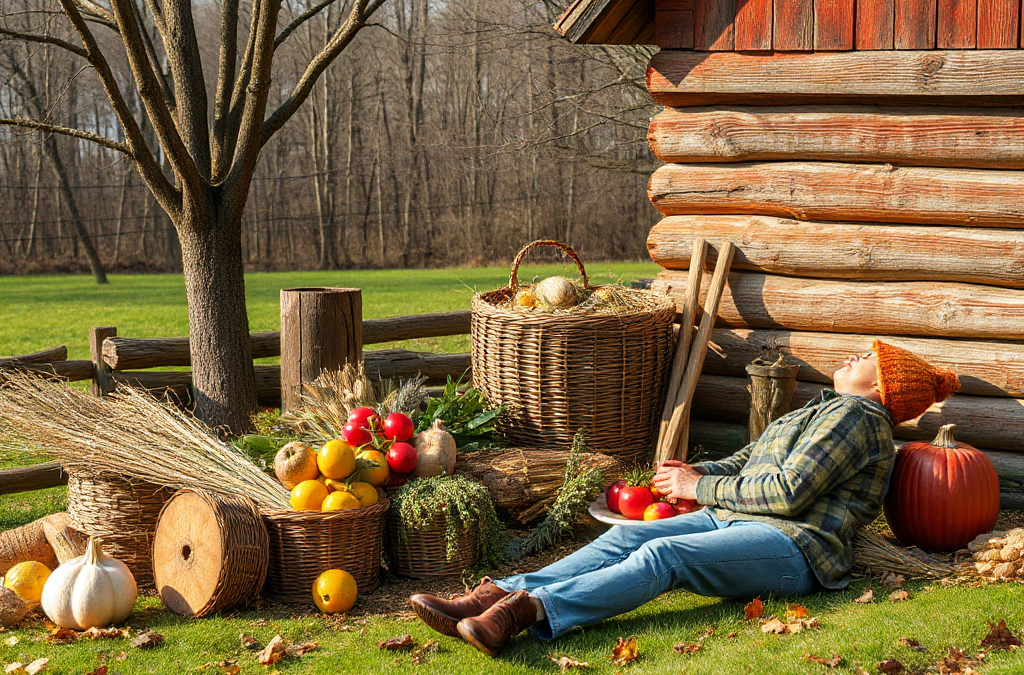
Creating seasonal traditions on your homestead involves establishing meaningful activities that reflect the changing seasons, such as planting festivals in spring, harvest celebrations in autumn, and winter solstice gatherings. These traditions foster community, enhance family bonds, and create lasting memories. To implement these traditions, consider engaging in seasonal crafts, preparing seasonal meals, or organizing outdoor activities that align with each season’s unique characteristics and offerings.
The Importance of Seasonal Traditions
Seasonal traditions on a homestead serve as a way to connect with nature and the rhythms of the earth, fostering a deeper appreciation for the cycles of life. These traditions can create a sense of belonging and community, as they often involve family and friends. Engaging in seasonal activities also allows homesteaders to celebrate the fruits of their labor, reflect on the past, and look forward to future growth. By establishing these practices, you can build a rich tapestry of experiences that enhance your homesteading lifestyle.
Moreover, seasonal traditions can help you and your family develop a routine that aligns with the natural world, providing structure and anticipation throughout the year. This connection not only nurtures emotional well-being but also reinforces the significance of hard work and the rewards that come from it.
Spring Traditions: Planting and Renewal
Spring is a time of renewal and growth, making it an ideal season for establishing traditions centered around planting and nurturing new life. One popular way to celebrate spring is by holding a planting party, where family and friends come together to sow seeds in the garden. This event can include sharing stories about gardening experiences, exchanging seeds, and enjoying seasonal foods.
Another meaningful spring tradition is creating a garden journal that tracks the growth of plants, weather patterns, and personal reflections throughout the season. This journal can serve as a valuable resource for future planting seasons, helping you to remember what worked well and what didn’t.
Additionally, consider hosting a spring equinox celebration to honor the balance of day and night. Activities could include a nature walk, crafting flower crowns, or cooking a meal using fresh spring vegetables. These traditions not only mark the change of seasons but also foster community and appreciation for the earth’s cycles.
Summer Traditions: Celebration and Connection
Summer offers abundant opportunities for outdoor activities and social gatherings. One effective way to create summer traditions is by organizing potluck dinners or barbecues with neighbors, celebrating the bounty of the season. Encourage everyone to bring a dish made from homegrown produce or locally sourced ingredients, fostering a sense of community and shared purpose.
Outdoor movie nights or stargazing events can also become cherished summer traditions. Set up a projector in the backyard or gather around a fire pit to enjoy films or simply gaze at the stars. These activities promote connection and create lasting memories with family and friends.
Engaging in seasonal crafts, such as making homemade ice cream or creating flower arrangements, can further enhance summer traditions. These activities not only provide a creative outlet but also allow for the enjoyment of seasonal produce and flowers.
Autumn Traditions: Harvest and Gratitude
Autumn is synonymous with harvest, making it the perfect time to create traditions centered around gratitude and reflection. Organize a harvest festival where you celebrate the fruits of your labor with family and friends. This event can include games, food, and activities that highlight the season’s bounty, such as apple picking or pumpkin carving.
Another meaningful autumn tradition is to host a gratitude gathering, where participants can share what they are thankful for and reflect on the year’s experiences. This can be done during a special meal or as part of a larger community event. Incorporating seasonal foods, such as squash, apples, and root vegetables, can enhance the experience.
Consider creating a family recipe book that documents favorite autumn dishes, allowing you to pass down traditions and memories for generations. This book can be updated each year, ensuring that your family’s culinary heritage remains alive.
Winter Traditions: Reflection and Togetherness
Winter is a time for reflection and togetherness, making it an ideal season for creating traditions that emphasize family bonding. Start by establishing a winter solstice celebration, which can include lighting candles, sharing stories, and reflecting on the past year. This gathering can serve as a way to set intentions for the upcoming year.

Engaging in winter crafts, such as making homemade gifts or holiday decorations, can also become a cherished tradition. Hosting a craft night with family or friends allows for creativity and connection during the colder months.
Additionally, consider organizing a winter feast that showcases seasonal ingredients. This meal can be a time to gather loved ones, share stories, and appreciate the warmth of togetherness during the colder months. These winter traditions can help combat the isolation that sometimes accompanies the season, fostering a sense of community and support.
Frequently Asked Questions
What are some simple seasonal traditions I can start?
Start with basic traditions like planting seeds in spring, hosting a summer barbecue, celebrating the harvest in autumn, and reflecting during winter solstice gatherings.
How can I involve my children in seasonal traditions?
Involve children by assigning them tasks during seasonal activities, such as planting, cooking, or crafting, making them feel included and valued.
What are some easy recipes for seasonal gatherings?
Consider recipes that use seasonal ingredients, like pumpkin soup in autumn, fresh salads in summer, and hearty stews in winter.
How can I make seasonal traditions more meaningful?
Focus on incorporating personal stories, cultural elements, and family history into your traditions to create a deeper connection to the activities.
Can seasonal traditions evolve over time?
Yes, traditions can grow and change based on family dynamics, interests, and experiences, allowing for flexibility and creativity in their practice.
Conclusion
Seasonal traditions on your homestead offer a powerful way to connect with nature, family, and community. By establishing activities that celebrate each season’s unique characteristics, you can create lasting memories and deepen your appreciation for the cycles of life. Focus on engaging everyone in these traditions, allowing them to evolve over time while fostering a sense of belonging and gratitude. Start small, and let your seasonal traditions grow organically, enriching your homesteading experience.