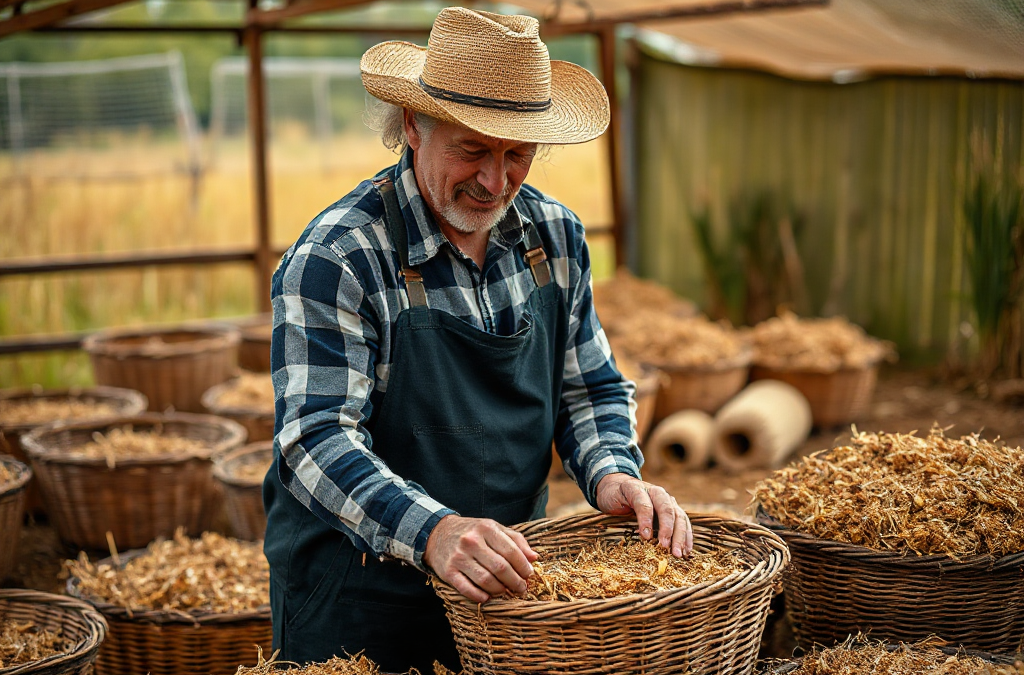
To manage time effectively during harvest season, prioritize tasks based on urgency and importance, utilize scheduling tools, and delegate responsibilities. Creating a detailed harvest plan helps streamline operations, ensuring all crops are harvested at optimal times. Additionally, preparing equipment and supplies in advance can prevent delays and enhance productivity. Avoiding last-minute decisions and maintaining clear communication with team members can significantly improve efficiency during this critical period.
Understanding the Harvest Process
Managing time effectively during harvest season begins with a comprehensive understanding of the entire harvest process. Every crop has its unique timeline for when it reaches optimal ripeness, and recognizing these timelines is crucial. For instance, some crops like tomatoes must be harvested quickly to prevent overripening, while others, like squash, can remain on the vine longer. Understanding these specifics allows for better planning and resource allocation.
Furthermore, it’s essential to consider factors such as weather conditions, which can significantly impact harvest windows. Rain can delay harvesting efforts, while sunny days may expedite the process. Keeping an eye on the forecast can help in adjusting schedules and priorities accordingly. A common mistake is underestimating the time required for each crop’s harvest, leading to rushed decisions which can compromise quality and yield. Prioritizing crops based on their readiness and the forecast is a smart strategy.
Effective Planning Techniques
Effective planning is the backbone of time management during the harvest season. Start by creating a detailed harvest schedule that outlines which crops need to be harvested and when. This schedule should take into account the specific characteristics of each crop, including their ripening times and the number of workers available. Using a calendar or a project management tool can help visualize tasks and deadlines, making it easier to stay organized.
In addition, breaking down the harvest into smaller tasks can enhance focus and efficiency. For example, allocate specific days for harvesting specific crops rather than trying to do everything at once. This approach not only reduces chaos but also allows for better quality control. A common pitfall is trying to harvest too many crops simultaneously, which can lead to mistakes and inefficiencies. Focus on one task at a time to maintain high standards and productivity.
Delegation and Team Dynamics
Delegation is another critical aspect of managing time effectively during the harvest season. Each team member should have clearly defined roles that align with their skills and strengths. For instance, some may excel in operating machinery, while others may be better suited for manual labor tasks. By leveraging the strengths of each team member, you can significantly enhance productivity.
Moreover, fostering a collaborative environment is essential. Regular team meetings can help ensure that everyone is on the same page and can address any issues promptly. A common mistake is neglecting communication, which can lead to misunderstandings and inefficiencies. By maintaining open lines of communication, teams can adapt quickly to any changes or challenges that arise during the harvest.
Utilizing Technology for Efficiency
In today’s digital age, technology plays a vital role in enhancing efficiency during harvest season. Utilizing farm management software can help streamline operations by tracking crop readiness, managing labor schedules, and even predicting harvest times based on historical data. These tools can save time and reduce the margin for error.
Additionally, GPS technology can assist in optimizing field navigation, ensuring that workers can move quickly and efficiently between rows. Drones can also be employed to monitor crop conditions and assess areas that may require immediate attention. However, it’s important to ensure that all team members are trained in using these technologies effectively to avoid any disruptions. A lack of familiarity with new tools can lead to inefficiencies and wasted time.
For those looking to deepen their understanding of effective time management during harvest season, consider consulting agricultural extension services or local farming cooperatives, which often provide resources and workshops tailored to seasonal best practices.

Frequently Asked Questions
What are the best practices for planning a harvest?
Effective planning involves creating a detailed schedule, understanding crop readiness, and allocating tasks based on team strengths.
How can technology assist in harvest management?
Technology such as farm management software and GPS can streamline operations and improve efficiency during the harvest.
Why is delegation important during the harvest?
Delegation allows for better utilization of team members’ strengths, enhancing productivity and ensuring tasks are completed efficiently.
What common mistakes should be avoided during harvest?
Common mistakes include underestimating harvest time, neglecting communication, and attempting to harvest too many crops at once.
How can I ensure quality during harvest?
To ensure quality, prioritize tasks, maintain clear communication, and focus on one crop at a time to avoid rushed decisions.
Conclusion
Effectively managing time during harvest season is crucial for maximizing yield and maintaining quality. By understanding the harvest process, implementing effective planning techniques, delegating tasks appropriately, and utilizing technology, you can streamline operations and enhance productivity. Prioritize clear communication and stay adaptable to changing conditions to ensure a successful harvest season.

Additional Resources
Authoritative Sources
- effective time management strategies for success
lpsonline.sas.upenn.eduDivide each 24-hour day into small blocks of time. · Estimate the amount of time required to complete each of your daily tasks and assign them to ...
- Time Management: 10 Strategies for Better Time Management
fieldreport.caes.uga.eduLearn 10 strategies for better time management, including knowing how to spend your time, setting priorities, using planning tools, ...