
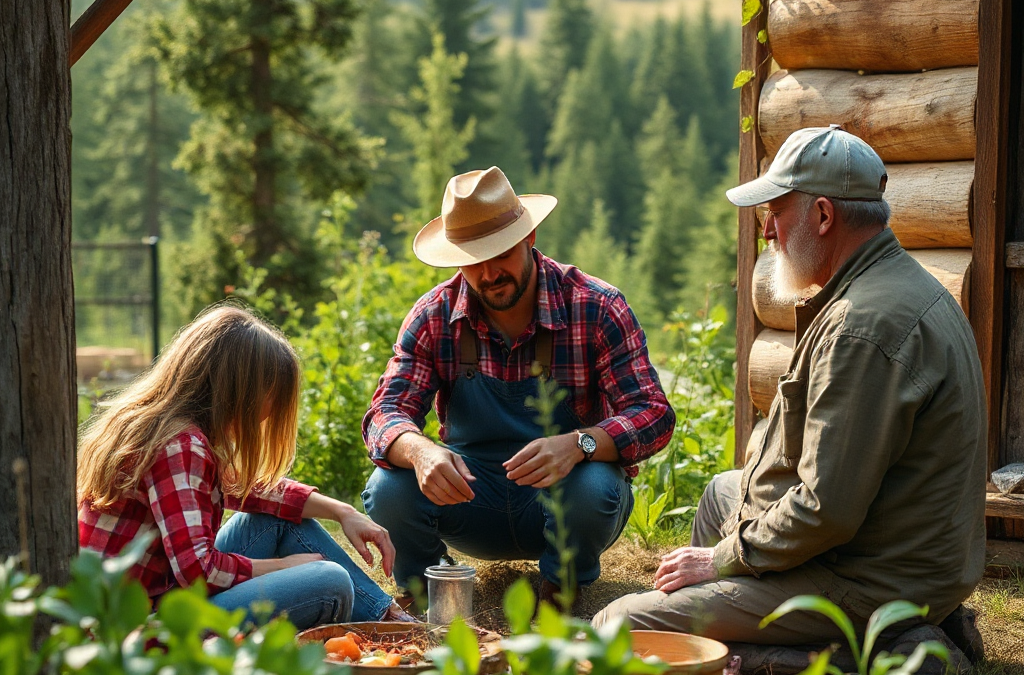
Finding community support for homesteading involves engaging with local networks, utilizing online platforms, and participating in workshops. Local farmers’ markets, homesteading groups, and social media platforms like Facebook or Instagram can connect you with like-minded individuals. Attending community events or workshops is also crucial for building relationships and exchanging knowledge. These strategies not only provide practical support but also foster a sense of belonging in the homesteading community.
Local Networking Opportunities
Engaging with your local community is one of the most effective ways to find community support for homesteading. Local farmers’ markets, community gardens, and agricultural fairs provide excellent venues for meeting other homesteaders. These events often foster a spirit of collaboration and knowledge-sharing, allowing you to connect with individuals who have similar interests and challenges.
For instance, if you visit a local farmers’ market, take the time to chat with vendors and other visitors. You may discover gardening techniques, pest control methods, or even local resources for supplies. Building relationships with these individuals can lead to future collaboration, whether it’s sharing land for planting, exchanging produce, or simply supporting each other’s endeavors.
Online Communities and Social Media
In today’s digital age, online platforms play a crucial role in connecting homesteaders. Social media sites like Facebook, Instagram, and Reddit have dedicated groups and forums where you can share experiences, ask questions, and find support. Participating in these communities allows you to tap into a wealth of knowledge and resources.
For example, Facebook groups focused on homesteading often feature members from around the world sharing their successes and failures. Engaging in discussions, asking for advice, or even sharing your own experiences can help you build a virtual support network. Additionally, platforms like Instagram allow you to follow homesteaders and learn through visual content, which can be incredibly inspiring.
Workshops and Classes
Attending workshops and classes related to homesteading is another powerful way to find community support. Many local extension offices, agricultural colleges, and community centers offer classes on topics such as gardening, animal husbandry, and food preservation. These sessions not only provide valuable skills but also create opportunities to meet others who share your interests.
For instance, a local workshop on canning might attract individuals who are passionate about preserving their harvests. By participating, you can network with other attendees, exchange tips, and even form friendships that extend beyond the classroom. Furthermore, local experts often lead these sessions, offering insights that are specific to your region’s climate and challenges.
Volunteering and Collaborations
Volunteering at local farms or participating in community projects is an excellent way to immerse yourself in the homesteading lifestyle while connecting with others. Many farms and community gardens welcome volunteers, providing hands-on experience and a chance to learn from seasoned homesteaders.
Collaborating on projects, whether it’s a community garden or a shared livestock venture, allows you to build relationships based on mutual goals. These collaborations can lead to resource sharing, knowledge exchange, and even emotional support during challenging times. By investing your time and energy into these efforts, you not only enhance your skills but also contribute positively to your community.
Frequently Asked Questions
What are some effective ways to find local homesteading groups?
Check local bulletin boards, community centers, and social media platforms for announcements of homesteading groups or workshops. Local libraries often have information on community events as well.
How can I use social media to connect with other homesteaders?
Join Facebook groups, follow relevant hashtags on Instagram, and participate in discussions on Reddit to engage with other homesteaders, share experiences, and seek advice.
Are there any specific workshops I should look for?
Look for workshops on gardening techniques, food preservation, animal care, and sustainable practices. Local agricultural extensions or community colleges often offer these types of classes.
What benefits come from volunteering at local farms?
Volunteering provides hands-on experience, allows you to learn from experienced homesteaders, and helps you build a network of contacts in your community.
How can I find community support for specific challenges in homesteading?
Reach out to local homesteading groups, online forums, or social media communities to discuss your specific challenges and seek advice from others who may have faced similar issues.
Conclusion
Building a support network in the homesteading community is essential for success and personal growth. By engaging with local resources, utilizing online platforms, attending workshops, and volunteering, you can create meaningful connections that enhance your homesteading journey. Prioritize these efforts to foster relationships that will provide both practical and emotional support, making your homesteading experience more fulfilling.

Additional Resources
Authoritative Sources
- 8 Ways to Network & Build Connections in Your Community
achs.edu1. Attend Local Holistic Health Events 2. Join Professional Associations 3. Engage with Your Local Community 4. Leverage Social Media and Online Groups 5. ...
- 10 Effective Ways to Build Networking Skills in Community ...
tsa.edu.auWhy Networking Matters in Community Services · find appropriate referral pathways faster · share information and resources across organisations.

