
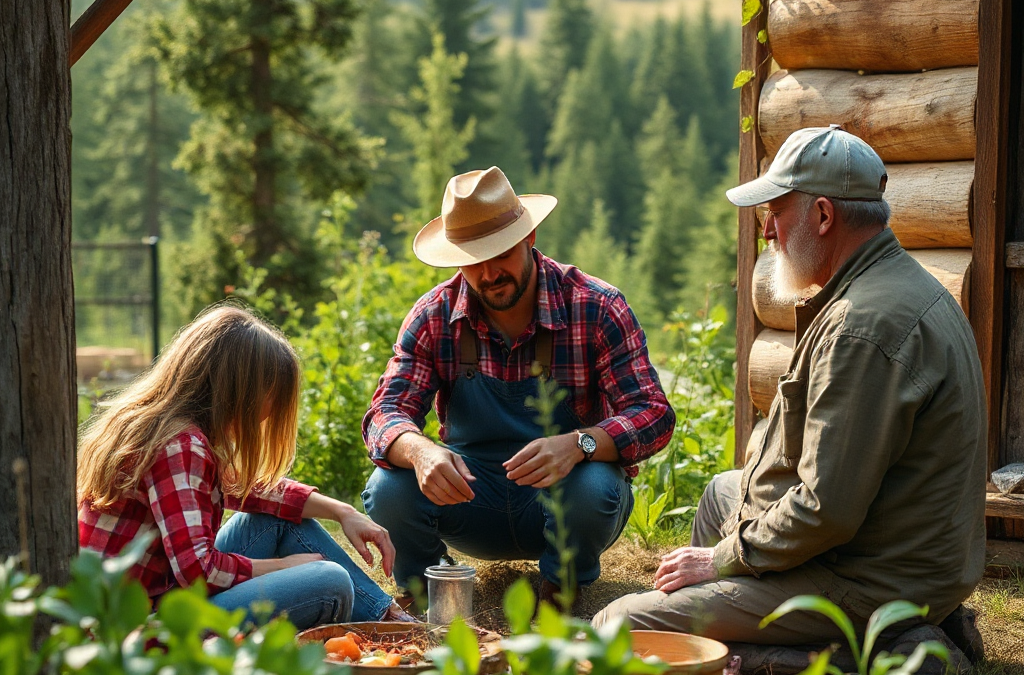
To cultivate a thriving vegetable garden, start by selecting the right location with adequate sunlight and good soil quality, as these factors significantly influence plant health. Prepare the soil by enriching it with compost and ensuring proper drainage. Choose vegetables suited for your climate and season, and implement a consistent watering schedule. Regularly monitor for pests and diseases to maintain a healthy garden ecosystem.
Choosing the Right Location and Soil
To successfully cultivate a thriving vegetable garden, the first crucial step is selecting an appropriate location. A well-drained area that receives at least six to eight hours of sunlight daily is ideal for most vegetables. Poor drainage can lead to waterlogged soil, which harms root development and can promote fungal diseases.
Next, assess the soil quality. Healthy garden soil is rich in organic matter, nutrients, and beneficial microorganisms. Conduct a soil test to determine pH levels and nutrient deficiencies. Based on the results, amend the soil with organic matter such as compost, well-rotted manure, or peat moss to improve its structure and fertility. This will not only enhance drainage but also provide essential nutrients for your plants.
Selecting Vegetables for Your Garden
Choosing the right vegetables for your garden is vital for a successful harvest. Consider your climate zone and the growing season in your area. Some vegetables thrive in cooler temperatures, while others require warmer conditions. Research local planting calendars to determine the best times for sowing seeds or transplanting seedlings.
Opt for a mix of crops to diversify your garden. This can include fast-growing vegetables like radishes and lettuce, alongside slower-growing options such as tomatoes and peppers. Crop rotation is also essential; it helps prevent soil depletion and reduces the risk of pest infestations and diseases. For beginners, starting with easy-to-grow vegetables like zucchini, carrots, or beans can boost confidence and yield early successes.
Watering and Maintenance Techniques
Consistent watering is critical for the health of your vegetable garden. Most vegetables need about an inch of water per week, either through rainfall or irrigation. Early morning is the best time to water, as it reduces evaporation and allows plants to absorb moisture before the heat of the day. Deep watering encourages deep root growth, making plants more resilient to drought.
Mulching is another effective maintenance technique. Applying a layer of organic mulch, such as straw or wood chips, helps retain soil moisture, suppress weeds, and regulate soil temperature. Regular weeding is crucial to prevent competition for nutrients. Hand-pulling weeds or using a hoe can help keep your garden tidy.
Pest and Disease Management
Monitoring for pests and diseases is essential to maintaining a thriving vegetable garden. Regularly inspect plants for signs of trouble, such as wilting, discoloration, or visible pests. Early detection is key to preventing infestations from spreading.
Implement integrated pest management (IPM) strategies, which emphasize prevention, monitoring, and control. Encourage beneficial insects, like ladybugs and lacewings, which can help control pest populations. Use organic pest control methods, such as insecticidal soap or neem oil, to minimize harm to the environment. Crop rotation and companion planting can also mitigate pest issues and promote healthier plants.
Frequently Asked Questions
What vegetables are easiest to grow for beginners?
Beginner-friendly vegetables include radishes, lettuce, green beans, and zucchini, as they have short growing seasons and are relatively pest-resistant.
How often should I water my vegetable garden?
Most vegetables require about an inch of water per week, which can be provided through rainfall or irrigation, preferably in the morning.
What is the best way to manage garden pests?
Implement integrated pest management (IPM) techniques, including monitoring plants regularly, encouraging beneficial insects, and using organic pest control methods.
How can I improve my garden soil?
Enhance soil quality by adding organic matter like compost, which improves structure, drainage, and nutrient content.
When is the best time to plant vegetables?
The best planting time varies by vegetable type and climate zone, so consult local planting calendars for guidance on timing.
Conclusion
Cultivating a thriving vegetable garden requires careful planning and consistent maintenance. Prioritize selecting the right location and soil, choosing suitable vegetables, and establishing effective watering and pest management practices. By following these guidelines, you can create a productive garden that not only provides fresh produce but also enhances your outdoor space. Take the time to observe and adapt your gardening techniques, ensuring a successful harvest season after season.
Additional Resources
Authoritative Sources
- EPA Safe Pest Control
epa.govOfficial information for safer pest-management decisions.

