
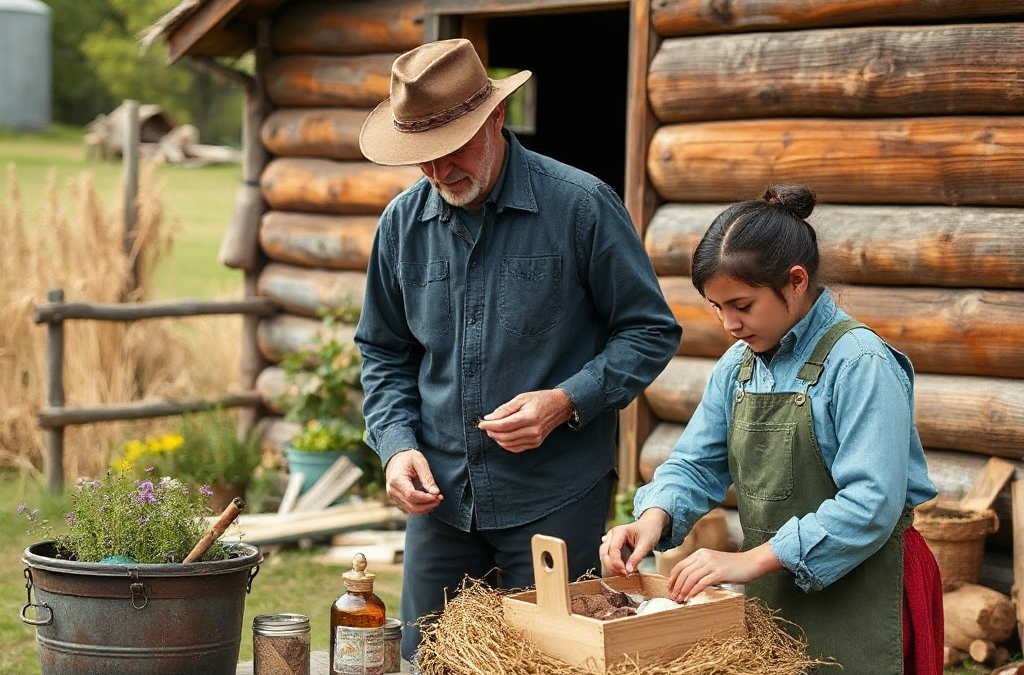
Strategies for maintaining family traditions in homesteading revolve around creating meaningful rituals, sharing stories, and involving all family members in activities like seasonal planting and harvest celebrations. These practices not only reinforce family bonds but also ensure that essential skills and cultural values are passed down through generations. Setting specific days for traditions, such as family gardening days or communal cooking nights, helps to create a sense of continuity and belonging. Additionally, documenting these traditions can preserve them for future generations, ensuring their relevance and practice.
Establishing Family Rituals
Establishing family rituals is a fundamental strategy for maintaining family traditions in homesteading. Rituals provide structure and meaning to family life, reinforcing shared values and experiences. For instance, dedicating a specific day each month for a family gathering or a seasonal celebration can create anticipation and excitement. These rituals can be as simple as a Sunday dinner featuring homegrown ingredients or an annual harvest festival where family members come together to celebrate the fruits of their labor.
Rituals help to create a rhythm in family life that is particularly important in the often-busy environment of a homestead. They create opportunities for family members to connect, share, and reflect on their experiences. It’s essential to choose rituals that resonate with all family members, ensuring that everyone feels included and valued.
One common mistake is to overlook the importance of flexibility in these rituals. While consistency is key, adapting rituals to fit the evolving needs and interests of family members can enhance their relevance and enjoyment. For example, if younger family members show an interest in different cuisines, incorporating international dishes into family meals can keep traditions fresh and exciting.
Sharing Stories and Heritage
Sharing stories and heritage is another vital strategy for maintaining family traditions in homesteading. Oral storytelling has been a powerful means of passing down knowledge and cultural values for generations. Family members can share tales of ancestors, recount experiences from their own lives, or narrate the history of the homestead itself. This practice not only preserves history but also strengthens familial bonds.
Encouraging storytelling during family gatherings or around the dinner table can create an atmosphere of warmth and connection. Utilizing tools like a family scrapbook or a digital archive can also help in documenting these stories for future generations. This process not only enriches family history but also instills a sense of identity and belonging among family members.
A common mistake is failing to engage younger generations in these storytelling traditions. To remedy this, integrating modern storytelling methods—such as creating videos or podcasts—can make sharing family stories more appealing. This approach not only preserves the family’s heritage but also ensures that it remains relevant and engaging for younger family members.
Involving All Family Members
Involving all family members in homesteading activities is crucial for maintaining family traditions. When everyone participates, it fosters teamwork and unity, reinforcing the sense of belonging. Activities can range from planting a garden together, caring for animals, or preparing meals using homegrown produce. Such involvement helps individuals feel a sense of ownership and pride in the family’s homesteading endeavors.
Moreover, assigning roles based on each person’s strengths and interests can enhance engagement. For instance, if one family member enjoys cooking, they could be responsible for preparing meals, while another who loves gardening might oversee the vegetable patch. This division of labor not only makes the work more manageable but also allows each family member to contribute meaningfully to the family’s traditions.
A mistake often made is underestimating the input of younger family members. Encouraging their participation, even in small ways, can lead to a greater appreciation for family traditions. For example, allowing children to choose which vegetables to plant or how to decorate for seasonal festivities can instill a sense of responsibility and pride in their contributions.
Documenting Traditions for Future Generations
Documenting family traditions is an essential strategy for ensuring their survival and relevance in future generations. This can be done through various means, such as maintaining a family journal, creating photo albums, or even starting a family blog where members can share experiences and recipes. Documentation serves as a valuable resource for future generations, allowing them to understand their heritage and the values that shaped their family.
Moreover, involving younger family members in the documentation process can be a rewarding experience. For example, they can be tasked with writing down family recipes or recording special events in a scrapbook. This not only teaches them the value of preserving traditions but also encourages creativity and personal expression.

However, a common oversight is focusing solely on written documentation. Incorporating multimedia elements, such as videos or recordings of family gatherings, can create a richer, more immersive record of family traditions. This approach not only preserves the traditions but also brings them to life for future generations.
Exploring additional resources can provide further insights into maintaining family traditions in homesteading. Consider checking local libraries or online platforms that offer books and articles on family heritage, homesteading practices, and community-building activities.
Frequently Asked Questions
Why are family traditions important in homesteading?
Family traditions in homesteading strengthen bonds, preserve cultural heritage, and create a sense of identity, making family life more meaningful.
How can we create new family traditions?
New family traditions can be created by identifying shared interests, planning regular activities, and involving all family members in the decision-making process.
What role does storytelling play in family traditions?
Storytelling preserves family history, reinforces values, and fosters emotional connections among family members, making traditions more meaningful.
How can we involve children in family traditions?
Involving children can be achieved by assigning them specific roles in family activities, encouraging their input, and creating traditions that cater to their interests.
What are some common mistakes to avoid when maintaining traditions?
Common mistakes include neglecting to adapt traditions to changing family dynamics, overlooking the importance of documentation, and failing to engage younger generations.
Conclusion
Maintaining family traditions in homesteading requires intentional effort, creativity, and inclusiveness. By establishing rituals, sharing stories, involving all members, and documenting traditions, families can ensure that their cultural heritage remains vibrant and relevant. As families grow and evolve, adapting these traditions while preserving their core values is vital. Engaging younger generations in these practices not only keeps traditions alive but also fosters a deep sense of belonging and pride.

Additional Resources
Authoritative Sources
- Nourishing Holistic Well-Being: The Role of Family Dynamics ...
pmc.ncbi.nlm.nih.govIntergenerational cooking reinforces familial relationships, allowing older family members to pass down cultural traditions, share knowledge, and foster a sense ...

