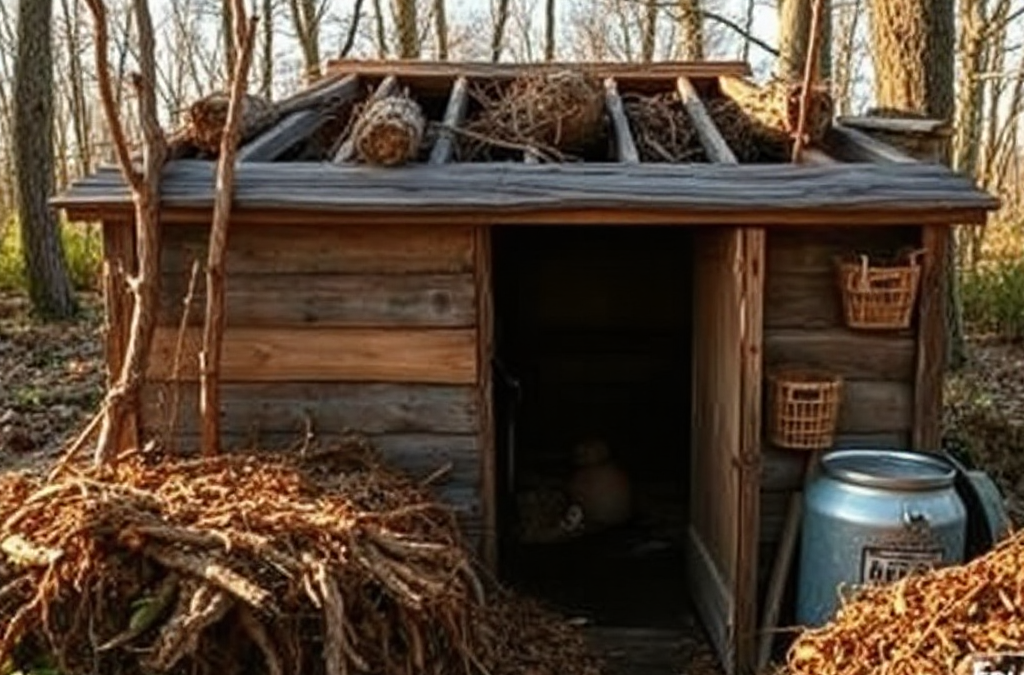
Building a root cellar for food storage involves selecting a suitable location, digging an underground space, and ensuring proper ventilation and insulation. Start by choosing a cool, dry area away from water sources. Construct the cellar with materials that maintain stable temperatures, like stone or concrete, and incorporate shelves for organized storage. Proper humidity control is crucial to prevent spoilage, so consider adding moisture-absorbing materials. Regularly check stored produce for signs of decay to ensure optimal preservation.
Understanding Root Cellars and Their Benefits
A root cellar is an underground storage space designed to keep fruits and vegetables fresh for extended periods. The primary benefit of a root cellar lies in its ability to maintain a stable environment that slows down the deterioration of stored produce. By using natural cooling and humidity control, root cellars can preserve food without the need for electricity, making them an essential feature for sustainable living and homesteading.
Root cellars can accommodate a variety of produce, including potatoes, carrots, apples, and even canned goods. They offer an energy-efficient solution for food preservation, allowing homesteaders to store seasonal harvests for year-round consumption. Understanding how root cellars function is crucial to building an effective one.
Choosing the Right Location for Your Root Cellar
Location is key when building a root cellar. Ideally, it should be situated in a cool, dry place, away from direct sunlight and water sources. Look for areas with natural slopes or hills, as these can help facilitate drainage and maintain cooler temperatures. A shaded spot near a north-facing wall or beneath a tree can also be ideal.
Before starting construction, consider the following factors:
- Soil Type: Sandy or loamy soils drain better and are preferable for root cellars. Avoid clay soils that retain water.
- Accessibility: Ensure that the location is easily accessible for transporting produce in and out of the cellar.
- Proximity to the Home: A location close to your home can make it easier to manage and maintain your root cellar.
Conduct soil tests if necessary and evaluate the area for any potential flooding or drainage issues that might affect your cellar’s effectiveness.
Construction Steps for Building a Root Cellar
Once you’ve chosen a suitable location, it’s time to construct your root cellar. Follow these essential steps:
- Excavate the Site: Dig a hole deep enough to accommodate your desired cellar height, typically around 6 to 8 feet. Ensure the walls are sloped to prevent collapse.
- Build the Structure: Use materials such as concrete blocks, bricks, or stone to create the walls. Ensure they are thick enough to insulate the cellar effectively.
- Add Ventilation: Proper airflow is essential to control humidity levels. Install vents at both the top and bottom of the cellar to allow for air exchange.
- Install Shelving: Create shelves using wood or wire racks to organize your stored produce and allow for airflow around items.
- Construct the Entrance: A sturdy door or hatch should be built to seal the cellar and maintain internal conditions.
After construction, allow the cellar to stabilize for a few weeks before adding any produce. This waiting period helps to ensure that the humidity and temperature levels are optimal.
Maintaining Ideal Conditions in Your Root Cellar
To keep your root cellar functioning effectively, it’s important to monitor and maintain its conditions. Here are some key factors to consider:
- Temperature: Ideal temperatures for root cellars range from 32°F to 40°F (0°C to 4°C). Use thermometers to monitor and adjust as needed.
- Humidity: Aim for a humidity level between 85% and 95% to prevent produce from drying out. Adding a small pan of water or using damp sand can help maintain humidity.
- Regular Checks: Inspect stored produce regularly for signs of spoilage or decay. Remove any affected items promptly to prevent the spread of rot.
By focusing on these maintenance practices, you can ensure that your root cellar remains an effective tool for food storage, allowing you to enjoy fresh produce throughout the year.

Frequently Asked Questions
What types of food can be stored in a root cellar?
A variety of foods can be stored in a root cellar, including root vegetables like potatoes and carrots, fruits like apples, and even canned goods.
How deep should a root cellar be?
A root cellar should typically be 6 to 8 feet deep to maintain the ideal cool temperatures needed for food preservation.
How can I prevent spoilage in my root cellar?
To prevent spoilage, maintain proper humidity levels, regularly check stored produce for decay, and ensure good ventilation.
Is electricity needed for a root cellar?
No, root cellars are designed to function without electricity by utilizing natural cooling and humidity control methods.
Can I build a root cellar in a small backyard?
Yes, a root cellar can be built in a small backyard as long as you choose a suitable location and design it to fit the available space.
Conclusion
Building a root cellar is an excellent way to store food effectively and sustainably. By selecting the right location, following proper construction methods, and maintaining ideal conditions, you can ensure that your produce stays fresh and nutritious throughout the year. Take the time to monitor your root cellar and make adjustments as necessary, and you’ll enjoy the benefits of home-grown food storage for years to come.