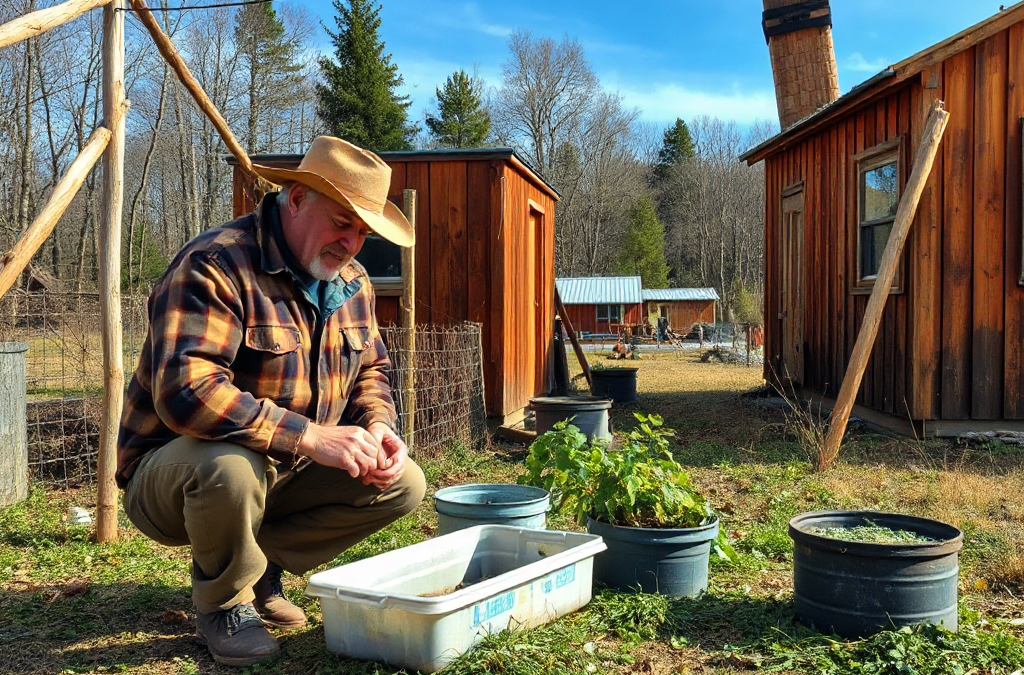
To reduce your carbon footprint on the homestead, implement sustainable practices such as composting, using renewable energy sources, and growing your own food. These steps not only lower greenhouse gas emissions but also promote biodiversity and resource conservation. By prioritizing local sourcing and energy efficiency, you can create a more self-sufficient and eco-friendly homestead that benefits both the environment and your community.
Embracing Renewable Energy Sources
Utilizing renewable energy sources is a fundamental way to reduce your carbon footprint on the homestead. Solar panels and wind turbines can provide clean energy, significantly lowering dependency on fossil fuels. For example, installing solar panels can offset electricity costs and produce energy for heating water or powering tools. Additionally, consider investing in energy-efficient appliances to further minimize energy consumption.
While the initial investment in renewable energy systems may be significant, the long-term savings and environmental benefits are substantial. Moreover, some states offer incentives or rebates for solar installations, making it more financially feasible. A common misconception is that renewable energy is only for urban settings, but rural areas can greatly benefit from these technologies.
Sustainable Gardening and Food Production
Growing your own food is one of the most impactful ways to reduce your carbon footprint. Not only does it decrease reliance on store-bought produce, which often travels long distances, but it also allows for organic practices that are better for the environment. Start with a small vegetable garden, focusing on crops that thrive in your climate. Incorporating permaculture principles can enhance soil health and biodiversity.
It’s essential to consider companion planting, which can help reduce pests naturally and improve crop yields. For instance, planting marigolds alongside tomatoes can deter harmful insects. Be mindful of the common mistake of overusing chemical fertilizers, which can harm local ecosystems and contribute to pollution.
Waste Reduction and Recycling Practices
Implementing effective waste reduction and recycling practices is crucial in minimizing your carbon footprint. Start by setting up a composting system for kitchen scraps and yard waste, which can significantly reduce landfill contributions and create nutrient-rich soil for your garden. Additionally, assess your household’s waste production and strive to reduce single-use plastics.
Consider upcycling items instead of discarding them. For example, glass jars can be repurposed as storage containers or planters. A common pitfall is assuming all materials can be recycled; check local guidelines to ensure proper disposal methods. Emphasizing a zero-waste lifestyle not only benefits the environment but can also lead to cost savings.
Water Conservation Techniques
Water conservation is essential for sustainable homesteading. Implementing rainwater harvesting systems can provide a natural water source for irrigation and reduce reliance on municipal water supplies. Additionally, using drip irrigation systems can minimize water waste while ensuring plants receive adequate moisture.
Another effective method is to install low-flow fixtures in your home, which can significantly reduce water usage. It’s important to educate yourself on the local water regulations and incorporate drought-resistant plants in your landscaping. A frequent misstep is neglecting to monitor water usage, which can lead to unnecessary waste and costs.
Frequently Asked Questions
What are some easy ways to start reducing my carbon footprint on the homestead?
Start by implementing composting, using renewable energy sources, and growing your own food to minimize emissions and enhance sustainability.
How can I make my gardening practices more sustainable?
Utilize organic methods, practice companion planting, and focus on native plants that require less water and maintenance.
What are the benefits of composting?
Composting reduces waste in landfills, enriches soil, and helps in retaining moisture, which is beneficial for plant growth.
How can I conserve water on my homestead?
Implement rainwater harvesting systems, use drip irrigation, and install low-flow fixtures to significantly reduce water usage.
What common mistakes should I avoid while reducing my carbon footprint?
Avoid overusing chemical fertilizers, neglecting to monitor water usage, and assuming all waste materials can be recycled without checking local guidelines.
Conclusion
Reducing your carbon footprint on the homestead involves practical steps such as utilizing renewable energy, sustainable gardening, waste reduction, and water conservation. By embracing these practices, you contribute to environmental health while enhancing your self-sufficiency. Start small, prioritize changes that align with your lifestyle, and gradually expand your efforts for a more sustainable homestead.