
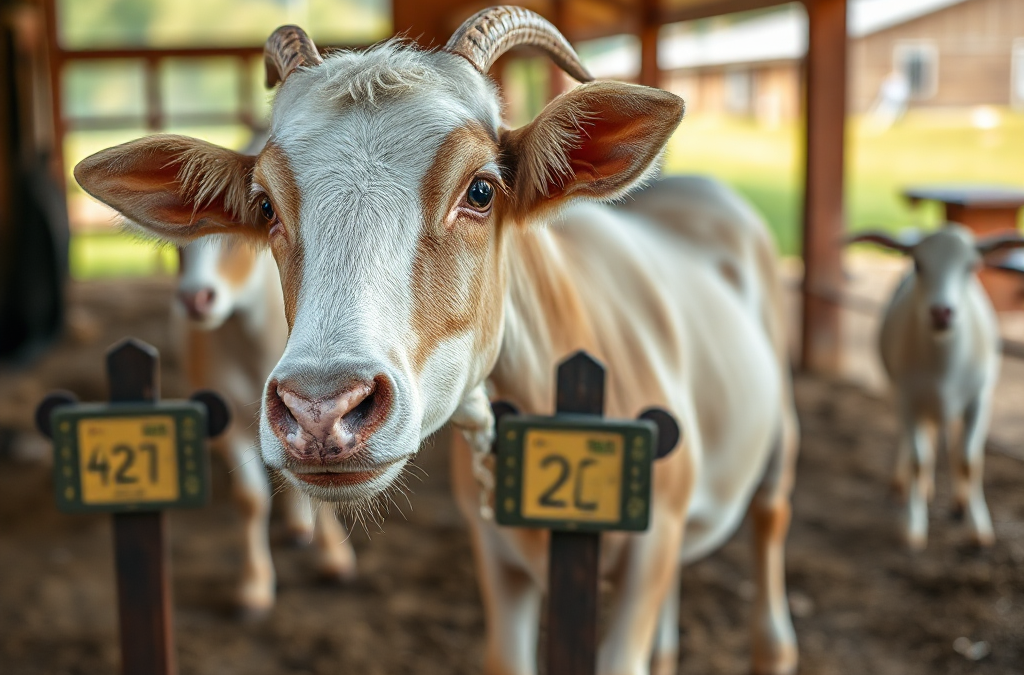
To set up effective animal care routines, establish a consistent schedule that includes feeding, cleaning, and health checks for your animals. Prioritize their nutritional needs, ensure clean living conditions, and conduct regular health assessments. Common mistakes include neglecting routine vaccinations and failing to adapt care practices as animals age or change in health. By creating a structured routine, you can enhance the well-being of your livestock and pets, leading to a more productive and harmonious homestead.
Establishing a Routine: The Foundation of Animal Care
Creating effective animal care routines starts with establishing a consistent daily schedule that incorporates feeding, cleaning, and health checks. This structure not only ensures that animals receive the necessary care but also helps owners manage their time efficiently. A well-planned routine can significantly improve the health and productivity of livestock and pets alike.
One common mistake is not sticking to the established routine, which can lead to stress for the animals and increased workload for the owner. For instance, if feeding times are inconsistent, animals may become anxious or exhibit undesirable behaviors. To avoid this, consider using a calendar or reminder system to keep the schedule on track.
Moreover, it’s crucial to involve all family members or staff in the routine to ensure everyone understands their responsibilities. This shared commitment helps in maintaining consistency and accountability, making animal care a collective effort.
Feeding Practices: Nutrition and Timing
Feeding is a critical aspect of animal care that significantly impacts health and well-being. Establishing specific feeding times not only promotes routine but also helps in monitoring animal health. For example, regular feeding schedules allow owners to notice changes in appetite, which can be early indicators of health issues.
When setting up feeding practices, it is essential to consider the nutritional needs of each animal type. Livestock such as cows and goats require different dietary components compared to pets like dogs and cats. Providing the right balance of nutrients, including vitamins and minerals, is vital for optimal health. For instance, ensuring that ruminants have access to quality forage and mineral supplements can prevent deficiencies that lead to health problems.
Additionally, portion control is crucial. Overfeeding can lead to obesity and related health issues, while underfeeding can cause malnutrition. Regularly consulting with a veterinarian or an animal nutritionist can help refine feeding practices based on specific animal needs.
Health Monitoring: Regular Check-Ups and Vaccinations
Regular health monitoring is a cornerstone of effective animal care routines. This involves scheduling annual veterinary check-ups and ensuring that all vaccinations are up to date. Routine health assessments can catch potential issues before they escalate into serious problems.
For example, livestock may require vaccinations for diseases like brucellosis or leptospirosis, while pets often need shots for rabies and parvovirus. Keeping a detailed health log for each animal can help track vaccination schedules and health changes over time.
Additionally, observing behavioral changes can provide insights into an animal’s health. Animals that exhibit lethargy, changes in eating habits, or unusual vocalizations may be signaling discomfort or illness. Early detection of these signs can lead to prompt intervention, improving outcomes significantly.
Environmental Management: Cleanliness and Safety
Maintaining a clean and safe environment for animals is essential for preventing disease and promoting overall health. This includes regularly cleaning living spaces, ensuring proper drainage, and providing adequate shelter from harsh weather conditions.
For instance, dirty living conditions can lead to the spread of parasites and infections. Setting up a cleaning schedule that includes daily waste removal and weekly deep cleaning can help mitigate these risks. Furthermore, ensuring that enclosures are secure and safe from predators is crucial, especially for smaller animals.
It’s also beneficial to regularly inspect feeding and watering equipment for cleanliness and functionality. Contaminated water sources can lead to health issues, so ensuring that water is fresh and clean is paramount.

Adapting Routines: Age and Health Considerations
As animals age or experience health changes, their care routines may need to be adjusted. For example, older animals may require softer food or more frequent health checks. Understanding the specific needs of aging livestock or pets can help owners adapt their routines effectively.
Additionally, animals recovering from illness may need special attention, including adjusted feeding schedules or increased monitoring. It’s important to remain flexible and responsive to the changing needs of animals throughout their lives.
Consulting with veterinarians about specific care adjustments can provide valuable insights into managing the unique challenges that come with aging or health issues. By staying informed and proactive, owners can ensure their animals remain healthy and happy.
For more information on animal care routines, consider exploring resources from reputable organizations such as the American Association of Equine Practitioners and the American Veterinary Medical Association.
Frequently Asked Questions
What are the basic components of an effective animal care routine?
An effective animal care routine includes regular feeding, cleaning, health monitoring, and environmental management tailored to the specific needs of each animal.
How often should I schedule veterinary check-ups for my pets and livestock?
Pets typically require annual check-ups, while livestock may need more frequent visits depending on their health status and vaccination schedules.
What are common mistakes in animal care routines?
Common mistakes include inconsistent feeding schedules, neglecting health checks, and failing to adapt routines as animals age or their health changes.
How can I ensure my animals have a clean living environment?
Regularly clean living spaces, remove waste daily, and inspect feeding and watering equipment to maintain a clean and safe environment for your animals.
What should I consider when feeding older animals?
Older animals may require softer food, more frequent meals, and regular health checks to ensure they are receiving adequate nutrition and care.

