
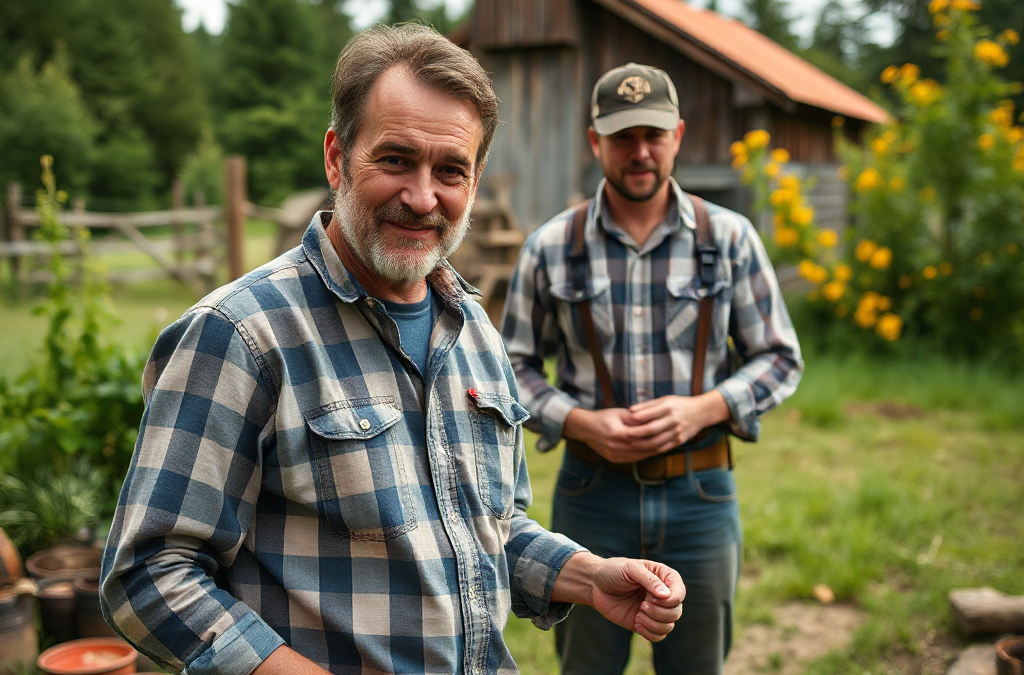
Creating a homesteading roadmap for success involves defining clear goals, assessing available resources, and establishing a step-by-step plan. Start by identifying your objectives, such as food production or self-sufficiency, and evaluate your land, skills, and budget. Prioritize tasks like soil improvement, crop selection, and livestock management, while being mindful of potential challenges like weather variability and market demands. This structured approach helps ensure you stay focused and adaptable in your homesteading journey.
Defining Your Homesteading Goals
Establishing clear goals is the first step to creating a successful homesteading roadmap. Consider what you want to achieve: Are you looking to grow your own food, become self-sufficient, or perhaps start a small farm business? Defining these objectives helps in prioritizing your efforts and resources. For instance, if food production is your primary goal, you might focus on vegetable gardening, fruit orchards, and preserving techniques.
Common pitfalls include vague or unrealistic goals. It’s crucial to set SMART (Specific, Measurable, Achievable, Relevant, Time-bound) goals that can guide your actions. For example, instead of saying “I want to grow vegetables,” specify “I will grow enough vegetables to feed my family of four for six months.” This clarity not only motivates but also provides a benchmark for measuring success.
Assessing Resources and Skills
Once your goals are defined, assess the resources available to you. This includes evaluating your land, financial situation, and skills. Consider the size of your homestead, the quality of the soil, and the climate in your area. Each of these factors will influence what you can realistically achieve.
Additionally, identify any skills you possess that will aid your homesteading efforts, such as gardening, animal husbandry, or woodworking. If you lack certain skills, consider taking classes or seeking mentorship. A common mistake is underestimating the learning curve associated with new homesteading activities. For instance, managing livestock requires knowledge of animal care and health that may take time to acquire.
Creating a Step-by-Step Plan
With goals and resources assessed, the next step is to create a detailed plan. Break down your objectives into actionable steps. For example, if your goal is to start vegetable gardening, your plan might include the following steps: selecting appropriate crops, preparing the soil, planting seeds, and establishing a watering schedule.
Incorporating timelines can be beneficial. Create a seasonal calendar that outlines when to plant, tend, and harvest crops. Additionally, consider contingency plans for potential challenges, such as pests or drought. A common error is failing to plan for setbacks, which can lead to frustration and loss of motivation. Establishing a flexible yet structured plan allows for adjustments while keeping you on track.
Implementing and Adjusting Your Roadmap
Implementation is where your planning comes to life. Start executing your plan step by step, but remain open to adjustments. Monitor your progress regularly and assess what is working and what isn’t. For example, if a particular crop fails, analyze the reasons and consider alternative strategies for the next planting season.
Engaging with the homesteading community can provide valuable insights and support. Share your experiences and learn from others who have faced similar challenges. A common misconception is that homesteading must be a solitary endeavor; however, collaboration and sharing knowledge can greatly enhance your journey.

Frequently Asked Questions
What is the first step in creating a homesteading roadmap?
The first step is defining your homesteading goals, which helps prioritize your efforts and resources.
What should be included in my homesteading plan?
Your plan should include actionable steps, timelines, and contingency plans for potential challenges.
How can I adjust my homesteading roadmap?
Regularly monitor your progress and be open to making changes based on what is working and what isn’t.
Is it necessary to collaborate with others in homesteading?
Collaboration can provide valuable insights and support, enhancing your homesteading experience.

